Mohammed AlJahdali 1, Raghad AlSaeed *2, Abdulmohsen Alanazi 3, Reem Alghamdi 4, Esraa Al-Nawab 5
Authors affiliations:
Background: A prevalent adverse effect of general anesthesia is postoperative nausea and vomiting (PONV), resulting in considerable suffering for many surgical patients. Several medicines have been used to prevent PONV. Although these medications are commonly used, it remains unclear which ones are most effective—whether used alone or in combination—due to the absence of thorough head‒to-head trials.
Methods: This research was performed in accordance with the Preferred Reporting Items for Systematic Reviews and Meta-Analyses (PRISMA) guidelines. A thorough literature review was performed utilizing databases such as PubMed and Google Scholar. Keywords such as "general anesthesia" OR "anesthesia," "postoperative nausea" OR "postoperative vomiting" OR "PONV," "drug" OR "medication" OR "prophylaxis," were used to locate pertinent studies.
Results: There was a substantial decrease in the incidence of PONV risk with interventions, particularly 1 mg intravenous haloperidol, which demonstrated superior efficacy compared with 5 mg dexamethasone and other interventions (RR=0.27, 95% CI: 0.13–0.55). The overall heterogeneity among studies assessing PONV prevention efficacy was high (I² = 74%, P = 0.00001). Adverse events associated with interventions were minimal, with little heterogeneity for severe adverse events (I² = 0%, P = 0.23) or adverse events overall (I² = 40%, P = 0.10). The risk of bias assessment indicated that most studies were of good quality, with 18 studies having a low or unclear risk of bias and one study being classified as high risk.
Conclusions: This study revealed a statistically significant difference between pharmacological medicines used for preventing PONV in adults. Specifically, 1 mg intravenous haloperidol was found to be more effective than 5 mg intravenous dexamethasone and other interventions used in other studies. However, generally, it can be concluded that all the interventions used in general anesthesia were successful in lowering PONV among adults.
Keywords: PONV, Haloperidol, General Anesthesia, Adverse Events
Citation: AlJahdali M, AlSaeed R, Alanazi A, Alghamdi R, Al-Nawab E. Comparative efficacy of medications in preventing postoperative nausea and vomiting following general anesthesia in adults: a systematic review and meta-analysis Anaesth. pain intensive care 2026;30(6):748-761. DOI: 10.35975/apic.v30i6.3271
Received: February 05, 2026; Revised: April 08, 2026; Accepted: April 08, 2026
PONV is an undesirable consequence of anesthesia and surgery, impacting approximately 30–50% of surgical patients.1 These symptoms result in considerable discomfort and dissatisfaction, resulting in increased medical expenses and prolonged hospitalizations.2-5 Annually, approximately 3 million general anesthetics are administered in the UK. Consequently, the effective eradication of PONV could significantly enhance public health. Strategies such as improved rehabilitation programs and an increased emphasis on day-case surgery highlight the importance of successful PONV prevention.6
To mitigate the burden of postoperative nausea and vomiting (PONV), various antiemetic agents have been formulated, including corticosteroids, antihistamines, 5-hydroxytryptamine 3 (5-HT3) receptor antagonists, dopamine-2 (D2) receptor antagonists, and anticholinergic neurokinin-1 (NK1) receptor antagonists.7 Each category of these drugs is linked to a certain array of negative effects. For example, 5-HT3 receptor antagonists may induce migraines and constipation, whereas D2 receptor antagonists are associated with QT prolongation, sedation, arrhythmias, and extrapyramidal symptoms. Conversely, corticosteroids may result in immunosuppression, hyperglycemia, and protracted wound healing.8,9 Moreover, anticholinergics are recognized for their ability to induce adverse effects, including visual disturbances and xerostomia, whereas antihistamines are linked to urinary complications, xerostomia, and somnolence.8 Research indicates that NK1 receptor antagonists may induce headaches and heightened dizziness; however, evidence regarding their side effects is sparse.9
Since the 1960s, numerous clinical trials have investigated methods for preventing PONV.10,11 However, there is currently no evidence-based, complete analysis of all relevant pharmacological types, let alone a therapeutically meaningful ranking of antiemetic medications based on safety and effectiveness, despite the growing number of clinical trials on PONV. Therefore, to maximize treatment and reduce unnecessary overtreatment, which may have detrimental effects, a thorough systematic review and meta-analysis are urgently needed.12 By examining all pertinent single and combination medications and comparing them to alternative medications, this systematic review and meta-analysis seeks to bridge that gap and determine the effectiveness of each medication.13 The findings of the analysis will be applied to provide a thorough, empirically supported basis for revising clinical guidelines and enhancing PONV patient care. This study, titled "Comparative Efficacy of Medications in Preventing Postoperative Nausea and Vomiting Following General Anesthesia in Adults: A Systematic Review and Meta-analysis," aims to provide comprehensive insights into the relative efficacy and safety of pharmacological interventions for preventing PONV in adults.
2.1. Literature Search Strategy
This systematic review and meta-analysis adhered to the PRISMA guidelines. Ethical approval was not required for this study, as it is a systematic review that involves the analysis of previously published data. Systematic reviews rely on secondary data sources and do not involve the collection of new data directly from human participants. This study focused on evaluating the efficacy of pharmacologic interventions in preventing postoperative nausea and vomiting (PONV) in adult patients undergoing general anesthesia for various types of surgery. A thorough literature search was conducted to identify relevant studies via databases such as PubMed and Google Scholar. Keywords including "general anesthesia" OR "anesthesia,"
"Postoperative nausea" OR "postoperative vomiting" OR "PONV," "drug" OR "medication" OR "prophylaxis," were employed to locate pertinent articles. The literature search included studies published between January 2000 and December 2023.
2.2. Inclusion and Exclusion Criteria
This systematic review and meta-analysis focused on comparing treatments for postoperative nausea and vomiting (PONV) in adult patients receiving general anesthesia for surgery.
The inclusion criteria included retrospective observational studies; randomized controlled trials; and prospective, open, nonrandomized, observational interventional studies. Studies that document the incidence of PONV within 24 hours following surgery and its downstream consequences include rescue antiemetics, adverse events, nausea, and vomiting.
On the other hand, the exclusion criteria were as follows: all systematic reviews and meta-analyses; case studies; non-age-related studies; patients aged less than 18 years; duplicate studies; studies with irretrievable outcome data; and studies not assessing pharmacologic therapy for PONV prophylaxis in adult surgical patients.
2.3. Selection of Articles / Data Extraction
Every article that was obtained in the primary search was imported into Mendeley to eliminate duplication. Following the removal of duplicates, the results of the studies were imported into Rayyan and separately screened by two reviewers according to the abstract and title. The two reviewers extracted data from the studies and recorded the study characteristics, population details, and intervention details. Patient demographics, risk factors, and medication types for PONV prevention were recorded. This review compares active antiemetic medications or placebo to treatments such as dopamine, 5-HT3 antagonists, corticosteroids, NK-1 receptor antagonists, anticholinergics, antihistamines, and 5-HT3 antagonists. The primary outcome was PONV incidence within 24 hours, whereas the secondary outcomes included nausea and vomiting. This meta-analysis evaluated the effectiveness of various pharmacologic treatments for preventing PONV in surgical patients. Additionally, the Newcastle–Ottawa Scale (NOS) and the Cochrane risk of bias assessment tool were used to evaluate the risk of bias of the included studies, whereas a funnel plot was used to assess the risk of publication bias. This comprehensive data extraction ensures a robust evaluation of the efficacy of PONV prevention interventions in the surgical setting.
2.4. Statistical Analysis
To analyze the data, RevMan software version 5.1.2 was used. Risk ratios (RRs) for categorical outcomes were calculated with 95% confidence intervals (CIs) via a random effects model. The heterogeneity of the studies basis of the Q test and I² statistic. These levels was assessed and categorized into four levels, namely, low, moderately low, moderately high, and high, on the corresponded to the following ranges: 0% to <25%, 25% to <50%, >50% to <75%, and >75%, respectively. The results are presented via forest plots with 95% CIs. A p value of less than 0.05 was considered statistically significant. The Newcastle‒Ottawa Scale (NOS) was used to assess the quality of observational studies, while the Cochrane risk of bias tool was used to evaluate randomized controlled trials (RCTs).
Table 1 shows the publications included in the review; each study evaluation compared different medications used for preventing postoperative nausea and vomiting following general anesthesia in adults. The included studies spanned diverse regions, with sample sizes ranging from 47 to 3,140 participants. The study designs included randomized controlled trials (n = 19) and prospective cohort studies (n = 2). All the studies included were conducted in different regions across the globe: two in Belgium; two in Germany; three in China; two in Korea; two in the USA; and one each in Japan, Austria, the Netherlands, Chicago, Brazil, Indonesia, Thailand, India, Iran, Canada, and France. The articles were all published in the English language. A total of 8654 participants were included in the research; the study with the smallest sample size had 47 participants, whereas the study with the greatest sample size had 3140 participants. Various medications intended to reduce postoperative nausea and vomiting in adults after general anesthesia were employed as interventions in all the studies.
The literature search yielded a total of 1,341 articles, with 21 from PubMed and 1,320 from Google Scholar. After excluding 1,262 duplicates, 79 unique articles remained for title and abstract screening. Fifty-one publications were eliminated throughout this screening process because they did not fit the inclusion criteria or were unrelated to the topic. The PRISMA flow diagram describing the study selection procedure is shown in Figure 1. All the texts of the remaining 28 articles were used to determine their eligibility. Seven articles were excluded during this review because they either did not focus on the levant research group (n = 5) or failed to report key results (n = 2). In the end, 21 papers were included in the study after meeting the predetermined inclusion criteria: systematic reviews (n = 21) and meta-analyses (n = 19).14-34 (See Figure 1).
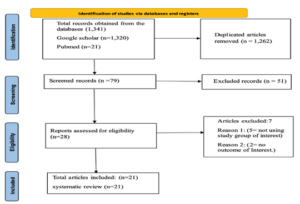
Figure 1The PRISMA flow diagram
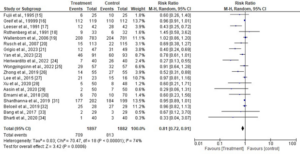
Figure 2. Efficacy of the interventions in preventing PONV
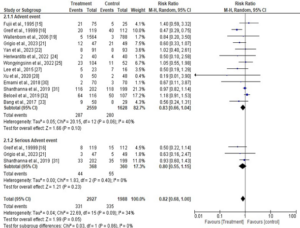
Figure 3. Overall advent event and serious advent reported
Figure 4 shows that eight studies had a low risk of bias.21, 22, 24,25, 31-34 On the other hand, ten studies had an unclear risk of bias,15-20,27-30 wherea only one study had a high risk of bias attributed to selection, performance, detection, attrition and reporting.26 However, generally, most of the studies 18/19 were of good quality.
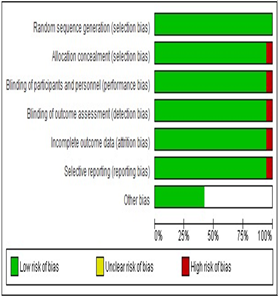
Figure 4: Summary of critical appraisal of included RCTs using the Cochrane risk of bias assessment tool
Figure 5 shows an asymmetric funnel plot, indicating the nce of outliers and a greater number of studies on he left side than on the right. The clustering of studies on the left suggests potential publication bias, possibly favoring the intervention group, as studies showing positive results may have been more likely to be published.
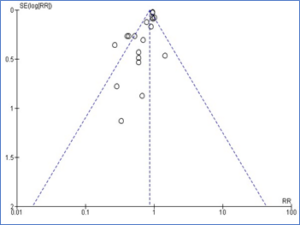
Figure 5. Funnel plot assessment of the risk of publication bias.
PONV is a significant challenge in perioperative care among adults who are receiving general anesthesia.2 Despite recent advancements in pharmacological prevention, uncertainty persists regarding the optimal medication or the right combination of medications to effectively reduce the incidence of PONV.5 This study employed a meta-analysis to investigate the effectiveness of ious medications in reducing postoperative nausea and vomiting (PONV) in patients who underwent general anesthesia. The results revealed a risk ratio (RR) of 0.33 (95% CI 0.04--3.07), with an I² of 74% (P = 0.00001), indicating considerable heterogeneity among the studies and suggesting variability in the trial outcomes. Boogaerts et al. revealed that prophylactic use of tropisetron significantly reduced PONV in high-risk patients.14 Another study by Fujii et al. revealed that patients who received granisetron, droperidol (1.25 mg and 2.5 mg), or a placebo had a lower incidence of PONV. However, droperidol is associated with extrapyramidal symptoms, and there are no significant differences in awakening times or side effects.15
Despite significant variation between the studies, a statistically significant P value of 0.0006 indicated that the therapies were generally effective in preventing postoperative nausea and vomiting (PONV). A study by Greif et al. revealed that oxygen treatment reduced PONV by 43% following colorectal surgery, which could be due to possible alleviation of mild intestinal ischemia, although the precise mechanism remains unclear.16 The use of oxygen as a preventive measure for PONV is particularly interesting, as it suggests that improving tissue oxygenation during the postoperative period may help reduce the risk of nausea and vomiting, which are thought to be linked to decreased gut motility and ischemia. Additionally, a study by Leeser et al. revealed that ondansetron significantly reduced nausea and vomiting in patients without causing any adverse drug side effects.17
The study also revealed low heterogeneity for both severe adverse events (I² = 0%, RR = 0.80, 95% CI 0.55–1.15) and adverse events (I² = 40%, RR= 0.83, 95% CI 0.66–1.04), indicating consistent results across studies for these outcomes. This shows that the occurrence of adverse events was relatively consistent across the trials, with no significant variations in how these events were reported. The low heterogeneity further suggests that these interventions are safe and have predictable outcomes across different populations. According to research by Rothenberg et al., droperidol and ephedrine were similarly effective at reducing nausea and vomiting, with fewer patients requiring additional antiemetic treatment after surgery.18
Additionally, Wallenborn et al. demonstrated that a combination of 50 mg metoclopramide and 8 mg dexamethasone effectively prevented PONV, whereas a lower dose of 25 mg metoclopramide showed comparable efficacy.19 These findings imply that the interventions employed were generally successful in preventing PONV in most cases.
The study further revealed that there was no statistically significant variation in either serious adverse events (P = 0.23) or adverse events (P = 0.10) among the studies. Rusch et al. reported that the combination of dexamethasone and haloperidol is more effective in treating PONV because it has increased antiemetic effects, although it is still a moderate therapeutic option.20 Grigio et al. reported that olanzapine reduced the incidence of PONV during the first 24 hours following surgery (26% in the treated group vs. 63% in the control group), although it was associated with side effects such as dry mouth, sleepiness, dizziness, and other symptoms.21 According to Yan et al., combination therapy decreases the incidence of postoperative nausea within 24 hours and relieves skin rash and pain, including postoperative, acupoint, and abdominal pain.22
The reviewed papers provide a wealth of information regarding the incidence and management of postoperative nausea and vomiting (PONV). Although no significant differences were found between the two groups, Cho et al. reported that the incidence of PONV was greater in the volatile anesthetic group than in the TIVA group, despite longer anesthesia durations and larger intraoperative crystalloid volumes.23 According to Heriwardito et al., haloperidol was better than dexamethasone at reducing nausea after laparoscopic surgery, lowering VAS pain levels and having no negative side effects after 24 hours. According to the meta-analysis results, 1 mg intravenous haloperidol was more efficacious than 5 mg intravenous dexamethasone was (RR = 0.27, 95% CI 0.13–0.55).24 Wongyingsinn et al, reported fewer instances of PONV and shorter hospital stays after surgery.25 For secondary outcomes, further opioid use was documented, whereas Zhong et al. reported pain, nausea, and knee function.26 Lee et al. reported that the use of antiemetic drugs led to improved postoperative patient outcomes and quicker discharge times.27
Xu and colleagues noted alterations in pain levels, sedation, and opioid intake with patient-controlled analgesia.28 Finally, Aasim and colleagues reported that pre- and postoperative nausea and vomiting scores were significantly different between two groups that received various intravenous solutions before anesthesia, with the T1 group having lower values.29
Important information about various strategies for preventing postoperative nausea and vomiting (PONV) was provided by the analyzed studies. According to Emami et al., dexamethasone is a suggested and reasonably priced antiemetic with the added advantage of pain treatment because it dramatically decreases PONV in patients with laparoscopic cholecystectomy.30 With few variations in adverse effects, such as intense itching and drowsiness, Shanthanna et al. reported that the chances of obtaining identical analgesic effects (SAME) were comparable across treatment groups.31 Compared with other groups, Beloeil et al. reported that patients in the PNK group had no increase in morphine-related adverse effects, lower morphine use over a 24-hour period, and reduced pain 48 hours after surgery.32 Ramosetron and palonosetron were reported to be similarly effective at preventing PONV by Bang et al., although the ramosetron group experienced slight headaches and dizziness; however, the results were not statistically significant.33 Finally, Bharti et al. reported that 0.150 mg of palonosetron did not significantly improve the risk of moderately high-risk patients over 0.075 mg and that the combination of dexamethasone and palonosetron was more beneficial than either medication alone.34 This is a clear indication that there is variation in the effects of various medications on preventing PONV.
The current meta-analysis included a larger number of patients, and studies have been carried out in the past in this context to date. However, the study had the following limitations: the study was unable to search for potential studies from the EMBASE database because of limited access to the database. However, all the studies included access to general anesthetics to reduce PONV. Another limitation is that the studies included did not concentrate on similar interventions for the treatment and control groups. However, to address the research objective, the analysis focused on the overall efficacy of each study intervention. Therefore, precautions should be taken when interpreting the findings of this study.
The studied interventions effectively reduced the incidence of PONV, highlighting their general utility in perioperative care. However, variations in the relative efficacy of these interventions suggest that context-specific factors such as patient risk profiles are at play. Specifically, 1 mg intravenous haloperidol was found to be more effective than 5 mg intravenous dexamethasone and other interventions used in other studies. However, generally, it can be concluded that all the interventions used in general anesthesia were successful in lowering PONV among adults. To confirm the results of this study, future research should focus solely on a particular intervention and comparator medication while considering the cost effectiveness of the medication.
6. Conflict of interest
The authors declare that they have no competing interests.
7. Funding
This research received no external funding.
8. Ethical approval
Not applicable.
9. Data availability
Data available upon request to the corresponding author.
10. Author contribution
All authors took equal part to in data searche and manauscript preparation.
Authors affiliations:
- Mohammed AlJahdali. Department of Anesthesia, King Abdulaziz Medical City, Ministry of National Guard, Riyadh, Saudi Arabia.
- Raghad AlSaeed. Department of Anesthesia, King Abdulaziz Medical City, Ministry of National Guard, Riyadh, Saudi Arabia.
- Abdulmohsen Alanazi. College of Medicine, Imam Mohammed Ibn Saud Islamic University (IMSIU), Riyadh 13317, Saudi Arabia.
- Reem Alghamdi. Department of Anesthesia, Alhada Armed Forces Hospital, Taif, Saudi Arabia.
- Esraa Al-Nawab. College of Medicine, Ibn Sina National College, Jeddah, Saudi Arabia.
ABSTRACT
Background: A prevalent adverse effect of general anesthesia is postoperative nausea and vomiting (PONV), resulting in considerable suffering for many surgical patients. Several medicines have been used to prevent PONV. Although these medications are commonly used, it remains unclear which ones are most effective—whether used alone or in combination—due to the absence of thorough head‒to-head trials.
Methods: This research was performed in accordance with the Preferred Reporting Items for Systematic Reviews and Meta-Analyses (PRISMA) guidelines. A thorough literature review was performed utilizing databases such as PubMed and Google Scholar. Keywords such as "general anesthesia" OR "anesthesia," "postoperative nausea" OR "postoperative vomiting" OR "PONV," "drug" OR "medication" OR "prophylaxis," were used to locate pertinent studies.
Results: There was a substantial decrease in the incidence of PONV risk with interventions, particularly 1 mg intravenous haloperidol, which demonstrated superior efficacy compared with 5 mg dexamethasone and other interventions (RR=0.27, 95% CI: 0.13–0.55). The overall heterogeneity among studies assessing PONV prevention efficacy was high (I² = 74%, P = 0.00001). Adverse events associated with interventions were minimal, with little heterogeneity for severe adverse events (I² = 0%, P = 0.23) or adverse events overall (I² = 40%, P = 0.10). The risk of bias assessment indicated that most studies were of good quality, with 18 studies having a low or unclear risk of bias and one study being classified as high risk.
Conclusions: This study revealed a statistically significant difference between pharmacological medicines used for preventing PONV in adults. Specifically, 1 mg intravenous haloperidol was found to be more effective than 5 mg intravenous dexamethasone and other interventions used in other studies. However, generally, it can be concluded that all the interventions used in general anesthesia were successful in lowering PONV among adults.
Keywords: PONV, Haloperidol, General Anesthesia, Adverse Events
Citation: AlJahdali M, AlSaeed R, Alanazi A, Alghamdi R, Al-Nawab E. Comparative efficacy of medications in preventing postoperative nausea and vomiting following general anesthesia in adults: a systematic review and meta-analysis Anaesth. pain intensive care 2026;30(6):748-761. DOI: 10.35975/apic.v30i6.3271
Received: February 05, 2026; Revised: April 08, 2026; Accepted: April 08, 2026
1. INTRODUCTION
PONV is an undesirable consequence of anesthesia and surgery, impacting approximately 30–50% of surgical patients.1 These symptoms result in considerable discomfort and dissatisfaction, resulting in increased medical expenses and prolonged hospitalizations.2-5 Annually, approximately 3 million general anesthetics are administered in the UK. Consequently, the effective eradication of PONV could significantly enhance public health. Strategies such as improved rehabilitation programs and an increased emphasis on day-case surgery highlight the importance of successful PONV prevention.6
To mitigate the burden of postoperative nausea and vomiting (PONV), various antiemetic agents have been formulated, including corticosteroids, antihistamines, 5-hydroxytryptamine 3 (5-HT3) receptor antagonists, dopamine-2 (D2) receptor antagonists, and anticholinergic neurokinin-1 (NK1) receptor antagonists.7 Each category of these drugs is linked to a certain array of negative effects. For example, 5-HT3 receptor antagonists may induce migraines and constipation, whereas D2 receptor antagonists are associated with QT prolongation, sedation, arrhythmias, and extrapyramidal symptoms. Conversely, corticosteroids may result in immunosuppression, hyperglycemia, and protracted wound healing.8,9 Moreover, anticholinergics are recognized for their ability to induce adverse effects, including visual disturbances and xerostomia, whereas antihistamines are linked to urinary complications, xerostomia, and somnolence.8 Research indicates that NK1 receptor antagonists may induce headaches and heightened dizziness; however, evidence regarding their side effects is sparse.9
Since the 1960s, numerous clinical trials have investigated methods for preventing PONV.10,11 However, there is currently no evidence-based, complete analysis of all relevant pharmacological types, let alone a therapeutically meaningful ranking of antiemetic medications based on safety and effectiveness, despite the growing number of clinical trials on PONV. Therefore, to maximize treatment and reduce unnecessary overtreatment, which may have detrimental effects, a thorough systematic review and meta-analysis are urgently needed.12 By examining all pertinent single and combination medications and comparing them to alternative medications, this systematic review and meta-analysis seeks to bridge that gap and determine the effectiveness of each medication.13 The findings of the analysis will be applied to provide a thorough, empirically supported basis for revising clinical guidelines and enhancing PONV patient care. This study, titled "Comparative Efficacy of Medications in Preventing Postoperative Nausea and Vomiting Following General Anesthesia in Adults: A Systematic Review and Meta-analysis," aims to provide comprehensive insights into the relative efficacy and safety of pharmacological interventions for preventing PONV in adults.
2. METHODOLOGY
2.1. Literature Search Strategy
This systematic review and meta-analysis adhered to the PRISMA guidelines. Ethical approval was not required for this study, as it is a systematic review that involves the analysis of previously published data. Systematic reviews rely on secondary data sources and do not involve the collection of new data directly from human participants. This study focused on evaluating the efficacy of pharmacologic interventions in preventing postoperative nausea and vomiting (PONV) in adult patients undergoing general anesthesia for various types of surgery. A thorough literature search was conducted to identify relevant studies via databases such as PubMed and Google Scholar. Keywords including "general anesthesia" OR "anesthesia,"
"Postoperative nausea" OR "postoperative vomiting" OR "PONV," "drug" OR "medication" OR "prophylaxis," were employed to locate pertinent articles. The literature search included studies published between January 2000 and December 2023.
2.2. Inclusion and Exclusion Criteria
This systematic review and meta-analysis focused on comparing treatments for postoperative nausea and vomiting (PONV) in adult patients receiving general anesthesia for surgery.
The inclusion criteria included retrospective observational studies; randomized controlled trials; and prospective, open, nonrandomized, observational interventional studies. Studies that document the incidence of PONV within 24 hours following surgery and its downstream consequences include rescue antiemetics, adverse events, nausea, and vomiting.
On the other hand, the exclusion criteria were as follows: all systematic reviews and meta-analyses; case studies; non-age-related studies; patients aged less than 18 years; duplicate studies; studies with irretrievable outcome data; and studies not assessing pharmacologic therapy for PONV prophylaxis in adult surgical patients.
2.3. Selection of Articles / Data Extraction
Every article that was obtained in the primary search was imported into Mendeley to eliminate duplication. Following the removal of duplicates, the results of the studies were imported into Rayyan and separately screened by two reviewers according to the abstract and title. The two reviewers extracted data from the studies and recorded the study characteristics, population details, and intervention details. Patient demographics, risk factors, and medication types for PONV prevention were recorded. This review compares active antiemetic medications or placebo to treatments such as dopamine, 5-HT3 antagonists, corticosteroids, NK-1 receptor antagonists, anticholinergics, antihistamines, and 5-HT3 antagonists. The primary outcome was PONV incidence within 24 hours, whereas the secondary outcomes included nausea and vomiting. This meta-analysis evaluated the effectiveness of various pharmacologic treatments for preventing PONV in surgical patients. Additionally, the Newcastle–Ottawa Scale (NOS) and the Cochrane risk of bias assessment tool were used to evaluate the risk of bias of the included studies, whereas a funnel plot was used to assess the risk of publication bias. This comprehensive data extraction ensures a robust evaluation of the efficacy of PONV prevention interventions in the surgical setting.
2.4. Statistical Analysis
To analyze the data, RevMan software version 5.1.2 was used. Risk ratios (RRs) for categorical outcomes were calculated with 95% confidence intervals (CIs) via a random effects model. The heterogeneity of the studies basis of the Q test and I² statistic. These levels was assessed and categorized into four levels, namely, low, moderately low, moderately high, and high, on the corresponded to the following ranges: 0% to <25%, 25% to <50%, >50% to <75%, and >75%, respectively. The results are presented via forest plots with 95% CIs. A p value of less than 0.05 was considered statistically significant. The Newcastle‒Ottawa Scale (NOS) was used to assess the quality of observational studies, while the Cochrane risk of bias tool was used to evaluate randomized controlled trials (RCTs).
3. RESULTS
Table 1 shows the publications included in the review; each study evaluation compared different medications used for preventing postoperative nausea and vomiting following general anesthesia in adults. The included studies spanned diverse regions, with sample sizes ranging from 47 to 3,140 participants. The study designs included randomized controlled trials (n = 19) and prospective cohort studies (n = 2). All the studies included were conducted in different regions across the globe: two in Belgium; two in Germany; three in China; two in Korea; two in the USA; and one each in Japan, Austria, the Netherlands, Chicago, Brazil, Indonesia, Thailand, India, Iran, Canada, and France. The articles were all published in the English language. A total of 8654 participants were included in the research; the study with the smallest sample size had 47 participants, whereas the study with the greatest sample size had 3140 participants. Various medications intended to reduce postoperative nausea and vomiting in adults after general anesthesia were employed as interventions in all the studies.
| Table 1: Characteristics of the studies included in the systematic review | ||||||
| Authors | Country/
Region |
Design of Study | Sample | Inclusion Criteria | Intervention Characteristics | Outcome |
| Boogaerts et al., 200014 | Belgium | A nonrandomized, observational, open, prospective, interventional study | 1132 | For elective surgery, patients who are at least 15 years old and are literate in French were admitted to the hospital | Because tropisetron has a longer half-life than other 5-HT3-antagonists, the trial assessed how well it prevents PONV in high-risk adult inpatients having elective surgery | Prophylactic tropisetron can lower the incidence of vomiting episodes and postoperative nausea (VAS ratings) inn high-risk inpatients undergoing surgery, if the patient requests it or the physician determines it is needed |
| Fujii et al., 199515 | Japan | Randomized, double-blind trial | 100 | One hundred female patients with ASA physical status I or II, ages 23 to 67, who were scheduled for major gynecological surgery and gave their informed consent participated in study | Prior to anesthesia, patients received a single, randomized, double-blind IV dosage of either granisetron, droperidol or a placebo | Postoperative nausea and vomiting were less common in individuals treated with granisetron, droperidol 1.25 mg, or droperidol 2.5 mg than in those treated with a placebo. There were no variations in side effects or awakening times. Extrapyramidal effects were linked to droperidol. |
| Greif et al., 199916 | San Francisco, Austria | Randomized double-blind trial | 231 | Patient aged 18-80 without prior history of fever, infection, obesity, antiemetic drugs or emesis who were not included in study | 30% and 80% of supplementation was given to the first and second groups, respectively | Oxygen administration reduced postoperative nausea or vomiting by 43% after colorectal surgery, possibly due to subtle intestinal ischemia, although mechanism remains unknown |
| Leeser et al., 199117 | Netherlands | Randomized, double-blinded trial | 84 | General anesthesia is used to schedule abdominal gynecologic procedures for individuals between ages of 18 and 65 | Given 10mg of diazepam orally, with exception of one patient and 16mg of ondansetron or a placebo one hour prior to surgery, followed by a second dosage eight hours later | Patients who received ondansetron treatment experienced a significant decrease in nausea and vomiting and there were no adverse effects associated with the study drug |
| Rothenber et al., 199118 | Chicago | A double-blind, randomized, prospective study | 97 | Individuals in physical state I or II | Patients who were given a standardized general anesthetic, ephedrine, droperidol, or saline intramuscularly prior to surgery; there were no changes in their weight, age or length of anesthesia | It was discovered that droperidol and ephedrine were equally effective at reducing nausea and vomiying and that patients needed less antiemetic medication throughout the recovery phase |
| Wallenbor et al., 200619 | Germany | Randomized controlled trial with double blinding | 3140 | Patients who are 18 years of age or older need regional or balances anesthesia for procedures including arthroscopy, otolaryngological surgery, thyroidectomy, cholecystectomy, herniotomy, hysterectomy, or total knee or hip replacement | Patients were randomized to receive metoclopramide and dexamethasone intravenously 30-60 minutes before surgery or immediately after anesthesia. In the event of nausea and vomiting, a rescue medication of 12.5 mg dolasetron or 62 mg diphenhydrate was administered. | A lower dose of 25 mg with postoperative prophylaxis may be just as effective as 50 mg metoclopramide plus 8 mg dexamethasone in preventing postoperative nausea and vomiting. |
| Rusch et al., 200720 | Germany | Randomized double-blind trail | 242 Analysis involved 228 | Individuals who were scheduled for elective treatments under general anesthesia and ranged in age from 18 to 75 | Random assignment was used to allocate patients to receive either dexamethasone and dolasetron/haloperidol or a placebo | The combination of dexamethasone and haloperidol is more effective in treating PONV because it increases their anti-emetic activity. It is a minor option, though |
| Grigio et al., 202321 | Brazil | Randomized, prospective, parallel-group, placebo-controlled trial | 100 | patients aged 18-60 from ICESP, Brazil, who underwent major surgery related to their cancer, had a history of chemotherapy-induced nausea and vomiting, and were at high risk of PONV | Patients were given 10 mg olanzapine or placebo before surgery, with total intravenous anesthesia, dexamethasone, and ondansetron administered post induction and post surgery | The olanzapine group had a lower incidence of PONV in the first 24 hours post-operatively (26%) compared to the control group (63%). This medication can cause symptoms such as dry mouth, itchiness, sleepiness, hypotension, headache, restlessness, anxiety, sleep disturbance, dizziness, urinary retention, akinesia, akathisia, dyskinesia, dystonia, and drug-induced muscle rigidity |
| Yan et al., 202322 | China | Prospective, randomized controlled single-center study | 212 | For gynecological surgery under total intravenous anesthesia, women aged 18–65 who had a history of PONV, were nonsmokers, and had used opioids after surgery were suitable. The surgery was expected to last at least one hour | Patients in a combination group received acupuncture and ondansetron, while the control group received only ondansetron | Along with a decrease in postoperative pain, acupoint discomfort, stomach pain, and skin rash, the combination group also demonstrated a decreased incidence of postoperative nausea within 24 hours following surgery |
| Cho et al., 202223 | South Korea | Retrospective observational study | 1699 | Individuals between the ages of 30 and 90 who had peripheral vascular surgery performed under general anesthesia for end-stage renal disease (ESRD) | A target-controlled infusion system was used to maintain anesthesia in a patient undergoing a procedure that involved lidocaine, propofol, remifentanil, and a volatile anesthetics group | Due to longer anesthetic durations and larger intraoperative crystalloid infusion volumes, the incidence of PONV was greater in the volatile group and PACU than in the TIVA group. Nevertheless, no noteworthy distinctions between the two groups were discovered |
| Heriwardito et al., 202224 | Indonesia | Randomized double-blind clinical trial | 80 | Computer-based randomization was used to evaluate the patients, and they were divided into two groups. One hour prior to surgery, Group A received 5 mg of dexamethasone, while Group B received 1 mg of haloperidol | Patients in Group A received 5 mg intravenous dexamethasone after induction, while in Group B, 1 mg intravenous haloperidol was administered one hour before surgery | After laparoscopic surgery, haloperidol and dexamethasone have a significantly different incidence of nausea; haloperidol causes no adverse effects 24 hours after surgery and lower VAS pain scores |
| Wongyingsinn et al., 202225 | Thailand | Prospective randomized controlled study | 156 | ASA physical status 1 to 3 patients, ages 18 to 70 | For fifteen minutes before to surgery, patients in the fluid group got intravenous Ringer's lactate solution and ondansetron, while the control group received no therapy at all | The incidence of PONV within 24 hours after the operation and the duration of hospital stay post operation |
| Zhong et al., 201926 | China | Randomized, single-blind, placebo-controlled study | 110 | The American Society of Anesthesiologists grade I or II must be met by patients with osteoarthritis between the ages of 55 and 80 who match the diagnostic criteria of the 1995 American College of Rheumatology and are undergoing unilateral total knee arthroplasty (TKA) under general anesthesia without any surgical contraindications | Patients will receive three daily treatments of acupuncture analgesia between 24 and 72 hours following surgery | Primary outcomes include knee function, postoperative pain, edema, anxiety, nausea, and vomiting; secondary outcomes require extra opioids and analgesics |
| Lee et al., 201527 | Memphis, Tennessee, USA | Randomized, double-blinded, placebo-controlled clinical trial | 47 | One gynecologic oncologist is doing robotic-assisted gynecologic surgery cases on women | An adhesive bandage was applied over a transdermal scopolamine patch in the experimental group, while the bandage was the only treatment given to the control group | The study assessed the severity of nausea and vomiting postoperatively, antiemetic use, discharge time, patient's PONV well-being, and overall patient well-being |
| Xu et al., 202028 | China | Randomized Controlled Trial | 98 | Included were patients with idiopathic TN (ITN) who met grades I and II of the American Society of Anesthesiologists (ASA) | A group of 50 patients received a patient-controlled intravenous analgesia (PCIA) pump, whereas another group of 48 patients had a drug–drug interaction | PONV incidence and severity 72 hours post-operatively, along with opiate intake, sedation, and pain intensity |
| Aasim et al., 202029 | India | Double-blind, randomized controlled trial | 100 | Individuals aged 18 to 65 who are scheduled for elective general anesthesia LC, are nonsmokers, and are classified as grade I or II by the American Society of Anesthesiologists (ASA) | Before being put under anesthesia,patients in groups A and B were given 500 milliliters of lactated Ringer's solution along with 5% dextrose | The T1 and T2 groups showed significant differences in nausea and vomiting scores before and after surgery (P < 0.05) |
| Emami et al., 201830 | Iran | Single-blind randomized controlled trial | 140 | Patients who had laparoscopic cholecystectomy ranged in age from 20 to 70 | Two groups of patients were created: one group received 5 mL of normal saline intravenously after surgery, and the other group received 8 mg of dexamethasone intravenously after surgery and before to extubation | For patients having laparoscopic cholecystectomy, dexamethasone dramatically decreased postoperative pain and nausea (POP). Because of its low cost and capacity to treat mild to severe pain, it is a recommended antiemetic medication |
| Shanthanna et al., 201931 | Canada | Randomized controlled trial | 402 | Patients with moderate to severe pain who were fluent in English and between the ages of 18 and 70 underwent elective day operations | Morphine versus hydromorphone | An OR of 1.00 indicated that the groups' chances of reaching SAME were comparable. Sedation and severe itching were similar in only 13 and 7 patients, respectively |
| Beloeil et al., 2019 32 | France | A multicenter, prospective, double-blind, randomized controlled clinical trial | 237 | Patients over 18 years old, with a social security system, who planned surgery requiring morphine PCA for postoperative pain, and who provided written informed consent | Ketoprofen, paracetamol, and nefopam. During the first 48 hours following surgery, patients got their daily doses of each medication intravenously four times a day | The PNK group consumed significantly less morphine over 24 hours than the C and N groups, experienced less pain 48 hours after surgery, and had no change in morphine-related side effects |
| Bang et al., 201733 | Korea | Double-blind, randomized, placebo-controlled study | 87 | ASA physical status I-II female patients aged 20–49 | Before anesthesia, 30 minutes prior to surgery, and 30 minutes following surgery, they were given a combination of palonosetron and regular saline. A nurse who was not participating in the study prepared the drugs. | Ramosetron and palonosetron have shown equally effective preventative effects against PONV as prophylactic therapy. Patients in the ramosetron group experienced mild headache and dizziness, but the results did not reach statistical significance. |
| Bharti et al., 202034 | Belgium | Randomized controlled double-blind trial | 160 | ASA physical status I-II female patients, aged 19–60 | Propofol, fentanyl, and oxygen-maintained N2o-isoflurane | For PONV prophylaxis, the combination of dexamethasone and palonosetron is more effective than Ondansetron and palonosetron alone. However, for patients at moderate risk, palonosetron 0.150 mg does not significantly improve above 0.075mg |
| PONV represents postoperative nausea and vomiting. POP for pain and nausea, anesthesiologists (ASA), PNK (polynucleotide kinase), the odds ratio (OR-OR), pain and nausea (POP), the visual analog scale (VAS), total knee arthroplasty (TKA), the postanesthesia care unit (PACU), total intravenous anesthesia (TIVA), and end-stage renal disease (ESRD) are some examples of patient-controlled intravenous analgesia (PCIA) and PCA. | ||||||
The literature search yielded a total of 1,341 articles, with 21 from PubMed and 1,320 from Google Scholar. After excluding 1,262 duplicates, 79 unique articles remained for title and abstract screening. Fifty-one publications were eliminated throughout this screening process because they did not fit the inclusion criteria or were unrelated to the topic. The PRISMA flow diagram describing the study selection procedure is shown in Figure 1. All the texts of the remaining 28 articles were used to determine their eligibility. Seven articles were excluded during this review because they either did not focus on the levant research group (n = 5) or failed to report key results (n = 2). In the end, 21 papers were included in the study after meeting the predetermined inclusion criteria: systematic reviews (n = 21) and meta-analyses (n = 19).14-34 (See Figure 1).
Figure 1The PRISMA flow diagram
Figure 2. Efficacy of the interventions in preventing PONV
Figure 3. Overall advent event and serious advent reported
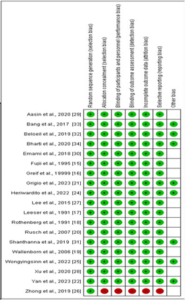
Figure 4 shows that eight studies had a low risk of bias.21, 22, 24,25, 31-34 On the other hand, ten studies had an unclear risk of bias,15-20,27-30 wherea only one study had a high risk of bias attributed to selection, performance, detection, attrition and reporting.26 However, generally, most of the studies 18/19 were of good quality.
Figure 4: Summary of critical appraisal of included RCTs using the Cochrane risk of bias assessment tool
Figure 5 shows an asymmetric funnel plot, indicating the nce of outliers and a greater number of studies on he left side than on the right. The clustering of studies on the left suggests potential publication bias, possibly favoring the intervention group, as studies showing positive results may have been more likely to be published.
Figure 5. Funnel plot assessment of the risk of publication bias.
4. DISCUSSION
PONV is a significant challenge in perioperative care among adults who are receiving general anesthesia.2 Despite recent advancements in pharmacological prevention, uncertainty persists regarding the optimal medication or the right combination of medications to effectively reduce the incidence of PONV.5 This study employed a meta-analysis to investigate the effectiveness of ious medications in reducing postoperative nausea and vomiting (PONV) in patients who underwent general anesthesia. The results revealed a risk ratio (RR) of 0.33 (95% CI 0.04--3.07), with an I² of 74% (P = 0.00001), indicating considerable heterogeneity among the studies and suggesting variability in the trial outcomes. Boogaerts et al. revealed that prophylactic use of tropisetron significantly reduced PONV in high-risk patients.14 Another study by Fujii et al. revealed that patients who received granisetron, droperidol (1.25 mg and 2.5 mg), or a placebo had a lower incidence of PONV. However, droperidol is associated with extrapyramidal symptoms, and there are no significant differences in awakening times or side effects.15
Despite significant variation between the studies, a statistically significant P value of 0.0006 indicated that the therapies were generally effective in preventing postoperative nausea and vomiting (PONV). A study by Greif et al. revealed that oxygen treatment reduced PONV by 43% following colorectal surgery, which could be due to possible alleviation of mild intestinal ischemia, although the precise mechanism remains unclear.16 The use of oxygen as a preventive measure for PONV is particularly interesting, as it suggests that improving tissue oxygenation during the postoperative period may help reduce the risk of nausea and vomiting, which are thought to be linked to decreased gut motility and ischemia. Additionally, a study by Leeser et al. revealed that ondansetron significantly reduced nausea and vomiting in patients without causing any adverse drug side effects.17
The study also revealed low heterogeneity for both severe adverse events (I² = 0%, RR = 0.80, 95% CI 0.55–1.15) and adverse events (I² = 40%, RR= 0.83, 95% CI 0.66–1.04), indicating consistent results across studies for these outcomes. This shows that the occurrence of adverse events was relatively consistent across the trials, with no significant variations in how these events were reported. The low heterogeneity further suggests that these interventions are safe and have predictable outcomes across different populations. According to research by Rothenberg et al., droperidol and ephedrine were similarly effective at reducing nausea and vomiting, with fewer patients requiring additional antiemetic treatment after surgery.18
Additionally, Wallenborn et al. demonstrated that a combination of 50 mg metoclopramide and 8 mg dexamethasone effectively prevented PONV, whereas a lower dose of 25 mg metoclopramide showed comparable efficacy.19 These findings imply that the interventions employed were generally successful in preventing PONV in most cases.
The study further revealed that there was no statistically significant variation in either serious adverse events (P = 0.23) or adverse events (P = 0.10) among the studies. Rusch et al. reported that the combination of dexamethasone and haloperidol is more effective in treating PONV because it has increased antiemetic effects, although it is still a moderate therapeutic option.20 Grigio et al. reported that olanzapine reduced the incidence of PONV during the first 24 hours following surgery (26% in the treated group vs. 63% in the control group), although it was associated with side effects such as dry mouth, sleepiness, dizziness, and other symptoms.21 According to Yan et al., combination therapy decreases the incidence of postoperative nausea within 24 hours and relieves skin rash and pain, including postoperative, acupoint, and abdominal pain.22
The reviewed papers provide a wealth of information regarding the incidence and management of postoperative nausea and vomiting (PONV). Although no significant differences were found between the two groups, Cho et al. reported that the incidence of PONV was greater in the volatile anesthetic group than in the TIVA group, despite longer anesthesia durations and larger intraoperative crystalloid volumes.23 According to Heriwardito et al., haloperidol was better than dexamethasone at reducing nausea after laparoscopic surgery, lowering VAS pain levels and having no negative side effects after 24 hours. According to the meta-analysis results, 1 mg intravenous haloperidol was more efficacious than 5 mg intravenous dexamethasone was (RR = 0.27, 95% CI 0.13–0.55).24 Wongyingsinn et al, reported fewer instances of PONV and shorter hospital stays after surgery.25 For secondary outcomes, further opioid use was documented, whereas Zhong et al. reported pain, nausea, and knee function.26 Lee et al. reported that the use of antiemetic drugs led to improved postoperative patient outcomes and quicker discharge times.27
Xu and colleagues noted alterations in pain levels, sedation, and opioid intake with patient-controlled analgesia.28 Finally, Aasim and colleagues reported that pre- and postoperative nausea and vomiting scores were significantly different between two groups that received various intravenous solutions before anesthesia, with the T1 group having lower values.29
Important information about various strategies for preventing postoperative nausea and vomiting (PONV) was provided by the analyzed studies. According to Emami et al., dexamethasone is a suggested and reasonably priced antiemetic with the added advantage of pain treatment because it dramatically decreases PONV in patients with laparoscopic cholecystectomy.30 With few variations in adverse effects, such as intense itching and drowsiness, Shanthanna et al. reported that the chances of obtaining identical analgesic effects (SAME) were comparable across treatment groups.31 Compared with other groups, Beloeil et al. reported that patients in the PNK group had no increase in morphine-related adverse effects, lower morphine use over a 24-hour period, and reduced pain 48 hours after surgery.32 Ramosetron and palonosetron were reported to be similarly effective at preventing PONV by Bang et al., although the ramosetron group experienced slight headaches and dizziness; however, the results were not statistically significant.33 Finally, Bharti et al. reported that 0.150 mg of palonosetron did not significantly improve the risk of moderately high-risk patients over 0.075 mg and that the combination of dexamethasone and palonosetron was more beneficial than either medication alone.34 This is a clear indication that there is variation in the effects of various medications on preventing PONV.
The current meta-analysis included a larger number of patients, and studies have been carried out in the past in this context to date. However, the study had the following limitations: the study was unable to search for potential studies from the EMBASE database because of limited access to the database. However, all the studies included access to general anesthetics to reduce PONV. Another limitation is that the studies included did not concentrate on similar interventions for the treatment and control groups. However, to address the research objective, the analysis focused on the overall efficacy of each study intervention. Therefore, precautions should be taken when interpreting the findings of this study.
5. CONCLUSIONS
The studied interventions effectively reduced the incidence of PONV, highlighting their general utility in perioperative care. However, variations in the relative efficacy of these interventions suggest that context-specific factors such as patient risk profiles are at play. Specifically, 1 mg intravenous haloperidol was found to be more effective than 5 mg intravenous dexamethasone and other interventions used in other studies. However, generally, it can be concluded that all the interventions used in general anesthesia were successful in lowering PONV among adults. To confirm the results of this study, future research should focus solely on a particular intervention and comparator medication while considering the cost effectiveness of the medication.
6. Conflict of interest
The authors declare that they have no competing interests.
7. Funding
This research received no external funding.
8. Ethical approval
Not applicable.
9. Data availability
Data available upon request to the corresponding author.
10. Author contribution
All authors took equal part to in data searche and manauscript preparation.
11. REFERENCES
- Manjooran G. Antiemetic agents. South Afr J Anaesth Analg. 2023;29(6):167-171. DOI: 36303/SAJAA.3052
- Apfel CC, Kranke P, Katz MH, Goepfert C, Papenfuss T, Rauch S, et al. Volatile anaesthetics may be the main cause of early but not delayed postoperative vomiting: a randomized controlled trial of factorial design. Br J Anaesth. 2002;88(5):659-68. PMID: 12067003 DOI: 1093/bja/88.5.659
- Apfel CC, Läärä E, Koivuranta M, Greim CA, Roewer N. A simplified risk score for predicting postoperative nausea and vomiting: conclusions from cross-validations between two centers. Anesthesiology. 1999;91(3):693-700. PMID: 10485781 DOI:1097/00000542- 199909000-00022
- Gan TJ, Belani KG, Bergese S, Chung F, Diemunsch P, Habib AS, et al. Fourth consensus guidelines for the management of postoperative nausea and vomiting. Anesth Analg. 2020;131(2):411-448. PMID: 32467512 DOI: 1213/ANE.0000000000004833
- Gan TJ, Diemunsch P, Habib AS, Kovac A, Kranke P, Meyer TA, et al. Consensus guidelines for the management of postoperative nausea and vomiting. Anesth Analg. 2014;118(1):85-113. PMID: 24356162 DOI: 1213/ANE.0000000000000002
- Myles PS, Williams DL, Hendrata M, Anderson H, Weeks AM. Patient satisfaction after anaesthesia and surgery: results of a prospective survey of 10,811 patients. Br J Anaesth. 2000;84(1):6-10. PMID: 10740539 DOI: 1093/oxfordjournals.bja.a013383
- Susanabadi A, Sadri MS, Taleby H, Etemadi S, Mahmoodiyeh B, Fard MM. Evaluating the outcome of total intravenous anesthesia and single drug pharmacological prevention of postoperative vomiting: systematic review and meta-analysis. Ann Rom Soc Cell Biol. 2021;25(6):2703-2716. [Free Text]
- Parra-Sanchez I, Abdallah R, You J, Fu AZ, Grady M, Cummings K. A time-motion economic analysis of postoperative nausea and vomiting in ambulatory surgery. Can J Anaesth. 2012;59(4):366-75. PMID: 22223185 DOI: 1007/s12630-011-9660-x
- Tricco AC, Soobiah C, Blondal E, Veroniki AA, Khan PA, Vafaei A, et al. Comparative safety of serotonin (5-HT3) receptor antagonists in patients undergoing surgery: a systematic review and network meta-analysis. BMC Med. 2015;13:136. PMCID: PMC4472408 DOI: 1186/s12916-015-0371-y
- Weibel S, Rücker G, Eberhart LH, Pace NL, Hartl HM, Jordan OL, et al. Drugs for preventing postoperative nausea and vomiting in adults after general anaesthesia: a network meta-analysis. Cochrane Database Syst Rev. 2020;10(10):CD012859. PMCID: PMC8094506 DOI: 1002/14651858.CD012859.pub2
- Rüsch D, Eberhart LH, Wallenborn J, Kranke P. Nausea and vomiting after surgery under general anesthesia: an evidence-based review concerning risk assessment, prevention, and treatment. Dtsch Arztebl Int. 2010;107(42):733-41. PMCID: PMC2977990 DOI: 3238/arztebl.2010.0733
- Golembiewski J, Chernin E, Chopra T. Prevention and treatment of postoperative nausea and vomiting. Am J Health Syst Pharm. 2005;62(12):1247-60; quiz 1261-2. PMID: 15947124 DOI: 1093/ajhp/62.12.1247
- Boogaerts JG, Bardiau FM, Seidel L, Albert A, Ickx BE. Tropisetron in the prevention of postoperative nausea and vomiting. J Clin Anesth. 2000;12(5):402-8. PMID: 11025243 DOI: 1016/s0952-8180(00)00182-3
- Fujii Y, Tanaka H, Toyooka H. Prevention of postoperative nausea and vomiting with granisetron: a randomized, double-blind comparison with droperidol. Can J Anaesth. 1995;42(10):852-6. Retraction in: Can J Anaesth. 2012;59(12):1173. PMID: 8706192 DOI: 1007/BF03011030
- Greif R, Laciny S, Rapf B, Hickle RS, Sessler DI. Supplemental oxygen reduces the incidence of postoperative nausea and vomiting. Anesthesiology. 1999;91(5):1246-1252. PMID: 10551573 DOI: 1097/00000542-199911000-00014
- Leeser J, Lip H. Prevention of postoperative nausea and vomiting using ondansetron, a new selective 5-HT3 receptor antagonist. Anesth Analg. 1991;72(6):751-5. PMID: 1827966 DOI: 1213/00000539-199106000-00005
- Rothenberg DM, Parnass SM, Litwack K, McCarthy RJ, Newman LM. Efficacy of ephedrine in the prevention of postoperative nausea and vomiting. Anesth Analg. 1991;72(1):58-61. PMID: 1824585 DOI: 1213/00000539-199101000-00010
- Wallenborn J, Gelbrich G, Bulst D, Behrends K, Wallenborn H, Rohrbach A, et al. Prevention of postoperative nausea and vomiting by metoclopramide combined with dexamethasone: randomised double-blind multicentre trial. BMJ. 2006 Aug 10;333(7563):324. PMCID: PMC1539036 DOI: 1136/bmj.38903.419549.80
- Rüsch D, Arndt C, Martin H, Kranke P. The addition of dexamethasone to dolasetron or haloperidol for treatment of established postoperative nausea and vomiting. Anaesthesia. 2007 Aug;62(8):810-817. PMID: 17635430 DOI:1111/j.1365-2044.2007.05136.x
- Grigio TR, Timmerman H, Martins JV, Slullitel A, Wolff AP, Sousa AM. Olanzapine as an add-on, pre-operative anti-emetic drug for postoperative nausea or vomiting: a randomised controlled trial. Anaesthesia. 2023 Oct;78(10):1206-1214. PMID: 37449978 DOI: 1111/anae.16081
- Yan S, Xu M, Zou X, Xiong Z, Li H, Yang J, et al. Acupuncture combined with ondansetron for prevention of postoperative nausea and vomiting in high-risk patients undergoing laparoscopic gynaecological surgery: a randomised controlled trial. United European Gastroenterol J. 2023;11(6):564-575. PMCID:PMC10337741 DOI: 1002/ueg2.12421
- Cho HB, Park SY, Kim N, Choi SJ, Song S, Yoo JH, et al. Effect of anesthetics on postoperative nausea and vomiting after peripheral vascular surgery in end-stage renal disease patients: a retrospective observational study. Front Surg. 2022;9:1054670. PMCID: PMC9727076 DOI: 3389/fsurg.2022.1054670
- Heriwardito A, Manggala SK, Widhyanti SI, Aristya L. Haloperidol vs dexamethasone in lowering postoperative nausea and vomiting and pain in adults after laparoscopy: a randomized, double-blind study. Bali J. Anesthesiol. 2022;6(3):157-161. DOI: 4103/bjoa.bjoa_101_22
- Wongyingsinn M, Peanpanich P, Charoensawan S. A randomized controlled trial comparing incidences of postoperative nausea and vomiting after laparoscopic cholecystectomy for preoperative intravenous fluid loading, ondansetron, and control groups in a regional hospital setting in a developing country. Medicine (Baltimore). 2022;101(42):e31155. PMCID: PMC9592396 DOI: 1097/MD.0000000000031155
- Zhong S, Huang H, Xie J, Zhao L, Song XL, Chen YL, et al. Application of electroacupuncture for postoperative pain management after total knee arthroplasty: a study protocol for a single-blinded, randomised placebo-controlled trial. BMJ Open. 2019;9(4):e026084. PMCID: PMC6500353 DOI: 1136/bmjopen-2018-026084
- Lee D, Tillmanns TD, Ulm M, Mabe A, Kumar S, ElNaggar AC. Effect of transdermal scopolamine for the prevention of postoperative nausea and vomiting associated with robotic gynecologic surgery: a randomized, double-blinded, placebo-controlled trial. J J Gynecol Surg. 2015;31(5):266-271. DOI: 1089/gyn.2015.0047
- Xu G, Zhao J, Liu Z, Liu G, Liu L, Ren C, et al. Dexmedetomidine combined with butorphanol or sufentanil for the prevention of postoperative nausea and vomiting in patients undergoing microvascular decompression: a randomized controlled trial. Front Med (Lausanne). 2020;7:583031. PMCID: PMC7662558 DOI: 3389/fmed.2020.583031
- Aasim SA, Kayyam K, Janaki A. The effect of intravenous dextrose administration for prevention of postoperative nausea and vomiting after laparoscopic cholecystectomy: a double-blind, randomised controlled trial. Int J Contemp Med Surg Radiol. 2020;5(3):C70-C74. [Free Text]
- Emami H, Nikbakhsh N, Nassab BH, Khafri S, Darzi AA. Efficacy of single-dose dexamethasone in reduction of pain, nausea and vomiting after laparoscopic cholecystectomy: a randomised controlled trial. J Evol Med Dent Sci. 2018;7(35):3825-3830. DOI: 14260/jemds/2018/858
- Shanthanna H, Paul J, Lovrics P, Vanniyasingam T, Devereaux PJ, Bhandari M, et al. Satisfactory analgesia with minimal emesis in day surgeries: a randomised controlled trial of morphine versus hydromorphone. Br J Anaesth. 2019;122(6):e107-e113. PMID: 31027915 DOI: 1016/j.bja.2019.03.036
- Beloeil H, Albaladejo P, Sion A, Durand M, Martinez V, Lasocki S, et al. Multicentre, prospective, double-blind, randomised controlled clinical trial comparing different non-opioid analgesic combinations with morphine for postoperative analgesia: the OCTOPUS study. Br J Anaesth. 2019;122(6):e98-e106. PMID: 30915987 DOI: 1016/j.bja.2018.10.058
- Bang SR, Kim HJ, Ahn EJ, Choi HR, Kim KW, Ko MJ, et al. Effect of total intravenous anesthesia and prophylactic 5-HT3 receptor antagonist on postoperative nausea and vomiting after gynecologic laparoscopic surgery: a prospective, randomized controlled study. Raw Med J. 2017;42(1):73-77. [Free Text]
- Bharti N, Panda N, Kumari K. PONV prophylaxis after laparoscopic procedures – Comparison between palonosetron 0.075 mg, palonosetron 0.15 mg and a palonosetron–dexamethasone combination: a randomised controlled trial. Acta Anaesthesiol Belg. 2020;71(1):29-34. [Free Text]