Nida Alshraiedeh 1, Esra’ O. Taybeh 2 , Abdallah Y. Naser 2 , Banaz Jalil 3 ,
Asaleh El-Qasem 4
Authors affiliations:
Background: Although patients with cystic fibrosis (CF) may be prescribed the most appropriate treatment, non-adherence to treatment recommendations was reported to be common. However, the extent of adherence to different treatment regimens in patients with CF and whether the patient’s quality of life and patient’s and parents’ beliefs influence adherence to treatment in Jordan were not previously investigated. The study aimed to measure the adherence rate to treatment in patients with CF and determine the effect of health-related quality of patient's life as well as patient and parent beliefs about CF treatment.
Methods: At the outpatient clinics of Princess Rahma Hospital and the Medical Royal Services Hospital, 58 children (≤18 years) with cystic fibrosis (31 males; median [range] 9.0 [1.3-18.0] years) and their parents were selected. The Medication Adherence Report Scale (MARS) was used to measure medication adherence to CF treatment. Refined versions of the Beliefs about Medicines Questionnaire-specific (BMQ-S) were used to measure the treatment beliefs of patients and their parents. The Cystic Fibrosis Questionnaire-Revised (CFQ-R) was used to measure the health-related quality of life of the patients.
Results: Comparable adherence rate to cystic fibrosis treatment between patients (57.6%) and parents (61.2%) was found. Parental BMQ differential score (necessity–concern value) was associated with a child adherent (P = 0.005), but the patient quality of life was not found to be predictive of adherence (p>0.05).
Conclusions: Low adherence to CF treatment regimens was revealed. Parental beliefs about CF treatments should be considered when addressing child adherence. Children with CF must be supported to ensure and maintain a satisfactory quality of life throughout their life span.
Keywords: Adherence, Beliefs, Children, Cystic fibrosis, HRQOL, Jordan
Citation: Alshraideh N, Taybeh EO, Naser AY, Jalil B, El-Qasem A. Adherence to treatment in patients with cystic fibrosis in Jordan: a cross-sectional study on the effect of quality of life and patients’ beliefs. Anaesth. pain intensive care 2026;30(5):599-605. DOI: 10.35975/apic.v30i5.3241
Received: April 26, 2025; Revised: February 12, 2026; Accepted: April 08, 2026
Cystic fibrosis (CF) is a complex, multi-system disease which presents patients with significant challenges regarding complications and management.1 Respiratory failure, lung damage, and recurring lung infections are all possible outcomes of CF.2 Complex daily treatment, such as physical therapy, exercise, oral and inhalation respiratory medications, oral pancreatic enzyme, and multivitamin supplements, is necessary for the effective management of CF.3,4 Studies suggest that the number of median daily treatments prescribed for patients with CF is seven.5 Although patients may be prescribed the most appropriate treatment, non-adherence to treatment recommendations in patients with CF is common.
Poor adherence to medication and health advice in chronic illnesses is a global problem, with reports of patient adherence falling between 30% and 70%.6-11 In CF, this is no different, and adherence rates range from approximately 35–75% depending on the adherence measure, treatment, and patient characteristics.12 Little is known about the extent of adherence to different treatment regimens in Jordanian patients with CF and the factors affecting adherence in the Jordanian population. The impact of adherence in patients with CF on lung health outcomes has also been previously evaluated. For instance, studies have indicated that poor adherence to CF therapy is associated with longer hospital stays,13 increased hospitalisations,14 increased number of pulmonary exacerbations, and lower baseline lung function.15
Studies on health-related quality of life (HRQOL) in patients with CF have previously focused on its relationship with clinical measures.16 However, it is pertinent to consider the HRQOL when evaluating patient adherence, where it is investigated as a significant factor that affects adherence behaviour in several chronic diseases. On the other hand, patients and parents of young patients with CF beliefs about treatment have recently been linked to adherence.17 For people with chronic diseases, greater self-reported adherence to treatment has been linked to low concern views and high necessity beliefs. Similarly, low adherence has been linked to low necessity views and high concerns about the possible damage of medication.18,19 On the other hand, nothing is known about how patient and parental beliefs affect CF patients' adherence to therapy in Jordan.
The aim of this study was to examine adherence to treatment in patients with CF and determine risk factors associated with adherence, specifically HRQOL and patient beliefs about cystic fibrosis treatment.
2.1. Study Design and Population
A convenience sample of 62 adolescent, younger children, and their parents were consecutively recruited at the outpatient clinic of both Princess Rahma hospital and the Medical Royal Services hospital between January 2020 and June 2020.
The parents of children with cystic fibrosis younger than 12 years who are being prescribed ADEK (oral multivitamin), dornase alfa and antimicrobial agents were invited to have their children participate in the study. Patients with cystic fibrosis older than 12 years who are being prescribed ADEK (oral multivitamin), dornase alfa and antimicrobial agents were also invited to participate in the study. Descriptive information about the study was provided verbally to the parents, their children and patients older than 12 years. Participants were only included in the study after obtaining written informed consent from parents of children younger than 12 years and patients who were older than 12 years. Upon enrolment, baseline data were recorded using a data collection sheet via a review of medical files. Details collected included demographic data, medical history, and past and current medication.
2.2. Study Instruments
A research pharmacist gave participants a series of validated questionnaires. Medication Adherence Report Scale (MARS) scores for patients and, when applicable, parents were used in this study to evaluate adherence levels to CF medication. A Likert scale with a range of 1 to 5 (always-never) was used to rate the five items. Higher scores indicated higher levels of self-reported adherence, according to the sum of the scores for each item.20,21 The Beliefs about Medicines Questionnaire (BMQ), an 11-item scale with each topic classified as either necessary or concerning, was used to assess patients' beliefs regarding CF treatment. A 5-point Likert scale, with 1 denoting strongly disagree and 5 denoting strongly agree, was used to score each response to the questions. The total score for each domain was calculated separately.18,19 Four validated versions of the Cystic Fibrosis Questionnaire-Revised (CFQ-R) were administered to evaluate HRQOL in this study on a 0-100 scale, with higher scores indicating better HRQOL;22 self-report for adolescents and adults (age 14 and above), self-report for children (ages 12–13), interviewer-administered version for children ages 6 to 11. All questionnaires were administered in the validated Arabic versions.
2.3. Data Analysis
Statistical analyses were conducted using IBM SPSS software (version 21, SPSS Inc, USA). Group differences for continuous variables were examined using t-tests or the Mann-Whitney U test, as appropriate and for categorical variables using the Chi-square test. The significance level was set at 0.05.
2.4. Ethical Approval
The ethical approval was granted by the Jordan University of Science and Technology, the Jordan Ministry of Health, and the Medical Royal Services hospital.
A total of 58 participants were enrolled in the study, Table 1. Patients who did not participate in the study (n=4) were either not approached, or the inclusion criteria were not met. Most patients recruited to the study were underweighted (64.3%).
The comparable adherence rate to cystic fibrosis treatment between patients and parents was found with slightly unremarkable higher rates reported by parents (Figure 1). Using the patient self-report adherence measurement approach 19 (57.6%) were classified as adherers. Thirty (61.2%) of parents reported that their children are adherent to cystic fibrosis treatment. This difference was, however, not found to be significant (p>0.05). No association was found between age, gender, health insurance, duration of disease or BMI and being adherent (p>0.05) except that female parents were less likely to report adherence (OR: 0.23 95% CI 0.06 – 0.87).
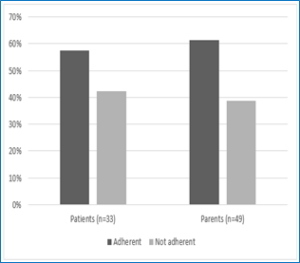
Figure 1: Classification of adherence using patient and parent self-report
The BMQ-Specific was used to elicit necessity and concern beliefs regarding CF treatment. Nearly all parents of patient children (90.9%) and a quarter of patients (75.8%) had necessity scores above the scale midpoint (15), indicating a strong belief that treatment for cystic fibrosis was required. Over half of patients and parents (60.6% and 66.7%, respectively) were worried about the negative effects of the treatments that were recommended for them or their kids. The BMQ differential score (necessity – concern value) was negative for 13 patients (39.4%) and 14 parents (42.4%), suggesting that they are more concerned about the negative consequences of cystic fibrosis treatment than they are about its necessity. 5 denotes strongly agree, whereas esents strongly disagree. More BMQ-specific descriptive statistics are shown in Table 2.
Using logistic regression analysis, we found that necessity was more dominant across adherent patients compared to concerns from both patient's and parent's perspective (OR: 22.5 (95%CI 3.5 – 144.4) and (OR: 17.0 (95%CI 1.8 - 165.0), respectively. There was no association between adherence and differential score per patient perspective (P = 0.07) but it was a significant positive association between adherence and differential score per parent's perspective (P = 0.005).
The Quality of life of children with CF was measured and the scores of CFQ-R domains are displayed in Tables 3 and 4. The total score of quality of life for adolescents (14 years and above) was slightly higher (67.7%) than for children 6-13 years (65.0%). The lowest score was for the weight domain, which got 45.0% and 50.0% among adolescents and children (6-13 years), respectively. Based on the available data, there was no association between patient demographics and patient quality of life domains (P > 0.05). Moreover, no association was found between patient adherence and quality of life.
Due to the complexity of the treatment of CF,23,24 patients are often prescribed multiple medications, which could be overwhelming for the child and parent equally. In addition, nonadherence to this complicated treatment carries a substantial risk to patient health.14,15,24,25 Thus, knowledge of factors linked to nonadherence to CF treatment in children and adolescents, including patients’ beliefs, perceptions, and quality of life, will assist in designing suitable practical interventions to promote their adherence. Such topics remain untouched in relation to CF patients in the middle eastern region including Jordan.
The self-reported questionnaires provide a longitudinal assessment of patient adherence, and the MARS is used to assess patient adherence in different illnesses,26,27 including CF patients.17 The findings of our study on adherence rates, using the MARS questionnaires were lower than the self‐reported adherence rates reported in previous studies.17,28 Measuring adherence to overall treatment rather than individual category of treatment might be the reason behind underestimation of the rate of adherence in the studied population.
Although the difference was not statistically significant, children reported a somewhat greater incidence of nonadherence than their parents (42.4% vs. 38.8%), which is consistent with a prior study that found that children with epilepsy, inflammatory bowel disease, and kidney transplants.27,29 Due to their naive nature, children are more likely to answer honestly to the questions.
This study confirmed the hypothesis that necessity belief about medication for children or parents would be positively associated with patient adherence, as there was a significant association between the BMQ necessity scores and adherence. It also identified that parental BMQ differential score was associated with a child adherent. The differential scores in parents of patients classified as adherent were positive in most cases and were significantly higher (p=0.005) for parents of children patients who were classified as adherent compared with parents of nonadherent children. BMQ differential scores assessment in parents, therefore, can facilitate the identification of children at risk of poor adherence. Beliefs on mycophenolate were not linked to treatment adherence, according to a prior study on children having kidney transplants. Additionally, Conn et al. (2005) found no correlation between adherence and parental views regarding the necessity of controller medication for children with asthma.30,31
As reported by children in our study using the CFQ-R, quality of life was shown to be relatively moderate on average across most domains (mean value 65.0% and 67.7% among children 6-13 years and adolescents older than 13 years, respectively). The CFQ-R domains scores ranged from 45.0 to 79.4. The part with the lowest score in the present study was the weight. In Gancz et al. (2018) study, the domains with the lowest scores in the same age range were weight and treatment burden.32 The present study found no significant association between the child's quality of life score and adherence.
Our study has several limitations. Due to the relatively low prevalence of CF, it can be difficult to recruit large numbers of patients for the present research. Since children’s patients with CF are usually prescribed a combination of medications, the relatively low adherence rate compared to adherence rates estimated in the literature may reflect the adherence to all prescribed treatments rather than the adherence rate of each individual regimen. Although lower than previously reported, the rate of adherence is likely to be overestimated through self-report assessment tool since it is subjected to reporting bias. Lastly, prescribed medicine for children with CF frequently changes, making it challenging to measure adherence over time.
Low adherence to CF treatment regimens was revealed. Parental beliefs about CF treatments should be considered when addressing adherence, and the necessity of treatments should be reinforced regularly at routine clinic appointments to both children and their parents. The scores on all of the CFQ-R domains of the children studied, although heterogeneous, indicate a moderate satisfactory quality of life. Since they face numerous challenges associated with their illness, children with CF must be supported to ensure and maintain a satisfactory quality of life throughout their life span.
6. Data availability
The numerical data generated during this research are available from the authors.
7. Conflict of interest
All authors declare that there was no conflict of interest.
8. Funding
The study utilized the hospital resources only, and no external or industry funding was involved.
9. Authors’ contribution
NA: Conceptualization, investigation, methodology, resources, validation, writing- original draft, writing – review and editing.
EOT; AYN; BJ; AF: investigation, resources, validation, writing- original draft, writing – review and editing.
Asaleh El-Qasem 4
Authors affiliations:
- Nida Alshraiedeh. Department of Pharmaceutical Technology, Jordan University of Science and Technology, Irbid, Jordan; Email: nhalshraiedeh@just.edu.jo
- Esra’ O. Taybeh. Department of Applied Pharmaceutical Sciences and Clinical Pharmacy, Faculty of Pharmacy, Isra University, Amman, Jordan; Email: taybeh@iu.edu.jo
- Abdallah Y. Nasar. Department of Applied Pharmaceutical Sciences and Clinical Pharmacy, Faculty of Pharmacy, Isra University, Amman, Jordan; Email: naser@iu.edu.jo
- Banaz Jalil. Pharmacognosy and Phytotherapy, UCL School of Pharmacy, London, United Kingdom; Email: jalil.12@ucl.ac.uk
- Asaleh El-Qasem. Faculty of Pharmacy, University of Jordan, Amman, Jordan; Email: jqasem@hotmail.com
ABSTRACT
Background: Although patients with cystic fibrosis (CF) may be prescribed the most appropriate treatment, non-adherence to treatment recommendations was reported to be common. However, the extent of adherence to different treatment regimens in patients with CF and whether the patient’s quality of life and patient’s and parents’ beliefs influence adherence to treatment in Jordan were not previously investigated. The study aimed to measure the adherence rate to treatment in patients with CF and determine the effect of health-related quality of patient's life as well as patient and parent beliefs about CF treatment.
Methods: At the outpatient clinics of Princess Rahma Hospital and the Medical Royal Services Hospital, 58 children (≤18 years) with cystic fibrosis (31 males; median [range] 9.0 [1.3-18.0] years) and their parents were selected. The Medication Adherence Report Scale (MARS) was used to measure medication adherence to CF treatment. Refined versions of the Beliefs about Medicines Questionnaire-specific (BMQ-S) were used to measure the treatment beliefs of patients and their parents. The Cystic Fibrosis Questionnaire-Revised (CFQ-R) was used to measure the health-related quality of life of the patients.
Results: Comparable adherence rate to cystic fibrosis treatment between patients (57.6%) and parents (61.2%) was found. Parental BMQ differential score (necessity–concern value) was associated with a child adherent (P = 0.005), but the patient quality of life was not found to be predictive of adherence (p>0.05).
Conclusions: Low adherence to CF treatment regimens was revealed. Parental beliefs about CF treatments should be considered when addressing child adherence. Children with CF must be supported to ensure and maintain a satisfactory quality of life throughout their life span.
Keywords: Adherence, Beliefs, Children, Cystic fibrosis, HRQOL, Jordan
Citation: Alshraideh N, Taybeh EO, Naser AY, Jalil B, El-Qasem A. Adherence to treatment in patients with cystic fibrosis in Jordan: a cross-sectional study on the effect of quality of life and patients’ beliefs. Anaesth. pain intensive care 2026;30(5):599-605. DOI: 10.35975/apic.v30i5.3241
Received: April 26, 2025; Revised: February 12, 2026; Accepted: April 08, 2026
1. INTRODUCTION
Cystic fibrosis (CF) is a complex, multi-system disease which presents patients with significant challenges regarding complications and management.1 Respiratory failure, lung damage, and recurring lung infections are all possible outcomes of CF.2 Complex daily treatment, such as physical therapy, exercise, oral and inhalation respiratory medications, oral pancreatic enzyme, and multivitamin supplements, is necessary for the effective management of CF.3,4 Studies suggest that the number of median daily treatments prescribed for patients with CF is seven.5 Although patients may be prescribed the most appropriate treatment, non-adherence to treatment recommendations in patients with CF is common.
Poor adherence to medication and health advice in chronic illnesses is a global problem, with reports of patient adherence falling between 30% and 70%.6-11 In CF, this is no different, and adherence rates range from approximately 35–75% depending on the adherence measure, treatment, and patient characteristics.12 Little is known about the extent of adherence to different treatment regimens in Jordanian patients with CF and the factors affecting adherence in the Jordanian population. The impact of adherence in patients with CF on lung health outcomes has also been previously evaluated. For instance, studies have indicated that poor adherence to CF therapy is associated with longer hospital stays,13 increased hospitalisations,14 increased number of pulmonary exacerbations, and lower baseline lung function.15
Studies on health-related quality of life (HRQOL) in patients with CF have previously focused on its relationship with clinical measures.16 However, it is pertinent to consider the HRQOL when evaluating patient adherence, where it is investigated as a significant factor that affects adherence behaviour in several chronic diseases. On the other hand, patients and parents of young patients with CF beliefs about treatment have recently been linked to adherence.17 For people with chronic diseases, greater self-reported adherence to treatment has been linked to low concern views and high necessity beliefs. Similarly, low adherence has been linked to low necessity views and high concerns about the possible damage of medication.18,19 On the other hand, nothing is known about how patient and parental beliefs affect CF patients' adherence to therapy in Jordan.
The aim of this study was to examine adherence to treatment in patients with CF and determine risk factors associated with adherence, specifically HRQOL and patient beliefs about cystic fibrosis treatment.
2. METHODOLOGY
2.1. Study Design and Population
A convenience sample of 62 adolescent, younger children, and their parents were consecutively recruited at the outpatient clinic of both Princess Rahma hospital and the Medical Royal Services hospital between January 2020 and June 2020.
The parents of children with cystic fibrosis younger than 12 years who are being prescribed ADEK (oral multivitamin), dornase alfa and antimicrobial agents were invited to have their children participate in the study. Patients with cystic fibrosis older than 12 years who are being prescribed ADEK (oral multivitamin), dornase alfa and antimicrobial agents were also invited to participate in the study. Descriptive information about the study was provided verbally to the parents, their children and patients older than 12 years. Participants were only included in the study after obtaining written informed consent from parents of children younger than 12 years and patients who were older than 12 years. Upon enrolment, baseline data were recorded using a data collection sheet via a review of medical files. Details collected included demographic data, medical history, and past and current medication.
2.2. Study Instruments
A research pharmacist gave participants a series of validated questionnaires. Medication Adherence Report Scale (MARS) scores for patients and, when applicable, parents were used in this study to evaluate adherence levels to CF medication. A Likert scale with a range of 1 to 5 (always-never) was used to rate the five items. Higher scores indicated higher levels of self-reported adherence, according to the sum of the scores for each item.20,21 The Beliefs about Medicines Questionnaire (BMQ), an 11-item scale with each topic classified as either necessary or concerning, was used to assess patients' beliefs regarding CF treatment. A 5-point Likert scale, with 1 denoting strongly disagree and 5 denoting strongly agree, was used to score each response to the questions. The total score for each domain was calculated separately.18,19 Four validated versions of the Cystic Fibrosis Questionnaire-Revised (CFQ-R) were administered to evaluate HRQOL in this study on a 0-100 scale, with higher scores indicating better HRQOL;22 self-report for adolescents and adults (age 14 and above), self-report for children (ages 12–13), interviewer-administered version for children ages 6 to 11. All questionnaires were administered in the validated Arabic versions.
2.3. Data Analysis
Statistical analyses were conducted using IBM SPSS software (version 21, SPSS Inc, USA). Group differences for continuous variables were examined using t-tests or the Mann-Whitney U test, as appropriate and for categorical variables using the Chi-square test. The significance level was set at 0.05.
2.4. Ethical Approval
The ethical approval was granted by the Jordan University of Science and Technology, the Jordan Ministry of Health, and the Medical Royal Services hospital.
3. RESULTS
A total of 58 participants were enrolled in the study, Table 1. Patients who did not participate in the study (n=4) were either not approached, or the inclusion criteria were not met. Most patients recruited to the study were underweighted (64.3%).
| Table 1: Characteristics of Participants | |
| Parameters | Frequency (%) |
| Age Median (range) | 9 (1.3-18) |
| Gender | N = 58 |
| % male | 53.4% |
| Median duration of the disease (IQR) | 7.00 years (4.00 – 11.50) |
| Other medical conditions | N = 52 |
| No | 45 (86.5%) |
| Yes | 6 (13.5%) |
| Insurance | 32 (62.7%) |
| Parent level of education | N = 51 |
| Not educated | 3 (5.9%) |
| Primary school | 31 (60.7%) |
| Secondary school | 11 (21.6%) |
| University level | 6 (11.8%) |
The comparable adherence rate to cystic fibrosis treatment between patients and parents was found with slightly unremarkable higher rates reported by parents (Figure 1). Using the patient self-report adherence measurement approach 19 (57.6%) were classified as adherers. Thirty (61.2%) of parents reported that their children are adherent to cystic fibrosis treatment. This difference was, however, not found to be significant (p>0.05). No association was found between age, gender, health insurance, duration of disease or BMI and being adherent (p>0.05) except that female parents were less likely to report adherence (OR: 0.23 95% CI 0.06 – 0.87).
Figure 1: Classification of adherence using patient and parent self-report
The BMQ-Specific was used to elicit necessity and concern beliefs regarding CF treatment. Nearly all parents of patient children (90.9%) and a quarter of patients (75.8%) had necessity scores above the scale midpoint (15), indicating a strong belief that treatment for cystic fibrosis was required. Over half of patients and parents (60.6% and 66.7%, respectively) were worried about the negative effects of the treatments that were recommended for them or their kids. The BMQ differential score (necessity – concern value) was negative for 13 patients (39.4%) and 14 parents (42.4%), suggesting that they are more concerned about the negative consequences of cystic fibrosis treatment than they are about its necessity. 5 denotes strongly agree, whereas esents strongly disagree. More BMQ-specific descriptive statistics are shown in Table 2.
| Table 2: BMQ-specific descriptive statistics | |||
| BMQ Scale | Median | IQR | |
| Child | Necessity | 20 | 16 - 23 |
| Concern | 16 | 22 - 11 | |
| Necessity-concern | 2 | -4 - 5 | |
| Parent | Necessity | 20 | 18 - 23 |
| Concern | 20 | 9 - 23 | |
| Necessity-concern | 1 | -5 - 6 | |
Using logistic regression analysis, we found that necessity was more dominant across adherent patients compared to concerns from both patient's and parent's perspective (OR: 22.5 (95%CI 3.5 – 144.4) and (OR: 17.0 (95%CI 1.8 - 165.0), respectively. There was no association between adherence and differential score per patient perspective (P = 0.07) but it was a significant positive association between adherence and differential score per parent's perspective (P = 0.005).
The Quality of life of children with CF was measured and the scores of CFQ-R domains are displayed in Tables 3 and 4. The total score of quality of life for adolescents (14 years and above) was slightly higher (67.7%) than for children 6-13 years (65.0%). The lowest score was for the weight domain, which got 45.0% and 50.0% among adolescents and children (6-13 years), respectively. Based on the available data, there was no association between patient demographics and patient quality of life domains (P > 0.05). Moreover, no association was found between patient adherence and quality of life.
| Table 3: CFQ-R domains scores for children 6-13 years | ||
| Variable | Mean (SD) | Percentage |
| Physical | 20.3 (6.9) | 63.4% |
| Emotion | 15.2 (3.3) | 76.0% |
| School | 11.3 (2.2) | 70.6% |
| Vitality | 13.1 (4.0) | 65.5% |
| Eat | 5.3 (1.7) | 66.3% |
| Treat | 8.0 (2.6) | 66.7% |
| Body | 7.1 (2.8) | 59.2% |
| Health | 8.8 (1.8) | 73.3% |
| Weight | 2.0 (1.1) | 50.0% |
| Respiratory | 16.0 (5.0) | 57.1% |
| Digestive | 7.2 (2.7) | 60.0% |
| Total QoL score | 114.4 (23.8) | 65.0% |
| Table 4: CFQ-R domains scores for adolescents and adults 14 years and above | ||
| Variable | Mean (SD) | Percentage |
| Physical | 21.3 (4.2) | 66.6% |
| Emotion | 14.3 (4.0) | 71.5% |
| Vitality | 10.0 (2.5) | 62.5% |
| Eat | 9.1 (2.6) | 75.8% |
| Treat | 8.5 (2.0) | 70.8% |
| Body | 8.3 (2.3) | 69.2% |
| Health | 9.3 (1.7) | 77.5% |
| Weight | 1.8 (1.0) | 45.0% |
| Respiratory | 16.6 (6.6) | 59.3% |
| Digestive | 8.6 (2.2) | 71.7% |
| Social | 15.2 (2.5) | 63.3% |
| Role | 12.7 (3.3) | 79.4% |
| Total score | 135.4 (21.4) | 67.7% |
4. DISCUSSION
Due to the complexity of the treatment of CF,23,24 patients are often prescribed multiple medications, which could be overwhelming for the child and parent equally. In addition, nonadherence to this complicated treatment carries a substantial risk to patient health.14,15,24,25 Thus, knowledge of factors linked to nonadherence to CF treatment in children and adolescents, including patients’ beliefs, perceptions, and quality of life, will assist in designing suitable practical interventions to promote their adherence. Such topics remain untouched in relation to CF patients in the middle eastern region including Jordan.
The self-reported questionnaires provide a longitudinal assessment of patient adherence, and the MARS is used to assess patient adherence in different illnesses,26,27 including CF patients.17 The findings of our study on adherence rates, using the MARS questionnaires were lower than the self‐reported adherence rates reported in previous studies.17,28 Measuring adherence to overall treatment rather than individual category of treatment might be the reason behind underestimation of the rate of adherence in the studied population.
Although the difference was not statistically significant, children reported a somewhat greater incidence of nonadherence than their parents (42.4% vs. 38.8%), which is consistent with a prior study that found that children with epilepsy, inflammatory bowel disease, and kidney transplants.27,29 Due to their naive nature, children are more likely to answer honestly to the questions.
This study confirmed the hypothesis that necessity belief about medication for children or parents would be positively associated with patient adherence, as there was a significant association between the BMQ necessity scores and adherence. It also identified that parental BMQ differential score was associated with a child adherent. The differential scores in parents of patients classified as adherent were positive in most cases and were significantly higher (p=0.005) for parents of children patients who were classified as adherent compared with parents of nonadherent children. BMQ differential scores assessment in parents, therefore, can facilitate the identification of children at risk of poor adherence. Beliefs on mycophenolate were not linked to treatment adherence, according to a prior study on children having kidney transplants. Additionally, Conn et al. (2005) found no correlation between adherence and parental views regarding the necessity of controller medication for children with asthma.30,31
As reported by children in our study using the CFQ-R, quality of life was shown to be relatively moderate on average across most domains (mean value 65.0% and 67.7% among children 6-13 years and adolescents older than 13 years, respectively). The CFQ-R domains scores ranged from 45.0 to 79.4. The part with the lowest score in the present study was the weight. In Gancz et al. (2018) study, the domains with the lowest scores in the same age range were weight and treatment burden.32 The present study found no significant association between the child's quality of life score and adherence.
Our study has several limitations. Due to the relatively low prevalence of CF, it can be difficult to recruit large numbers of patients for the present research. Since children’s patients with CF are usually prescribed a combination of medications, the relatively low adherence rate compared to adherence rates estimated in the literature may reflect the adherence to all prescribed treatments rather than the adherence rate of each individual regimen. Although lower than previously reported, the rate of adherence is likely to be overestimated through self-report assessment tool since it is subjected to reporting bias. Lastly, prescribed medicine for children with CF frequently changes, making it challenging to measure adherence over time.
5. CONCLUSION
Low adherence to CF treatment regimens was revealed. Parental beliefs about CF treatments should be considered when addressing adherence, and the necessity of treatments should be reinforced regularly at routine clinic appointments to both children and their parents. The scores on all of the CFQ-R domains of the children studied, although heterogeneous, indicate a moderate satisfactory quality of life. Since they face numerous challenges associated with their illness, children with CF must be supported to ensure and maintain a satisfactory quality of life throughout their life span.
6. Data availability
The numerical data generated during this research are available from the authors.
7. Conflict of interest
All authors declare that there was no conflict of interest.
8. Funding
The study utilized the hospital resources only, and no external or industry funding was involved.
9. Authors’ contribution
NA: Conceptualization, investigation, methodology, resources, validation, writing- original draft, writing – review and editing.
EOT; AYN; BJ; AF: investigation, resources, validation, writing- original draft, writing – review and editing.
10. REFERENCES
- Cystic Fibrosis Trust. Cystic fibrosis [Internet]. 2019 [cited 2025 Apr 26]. Available from: https://www.cysticfibrosis.org.uk/
- O'Sullivan BP, Freedman SD. Cystic fibrosis. Lancet. 2009;373(9678):1891–904. PMID: 19403164DOI: 1016/S0140-6736(09)60327-5
- Sawicki GS, Sellers DE, Robinson WM. High treatment burden in adults with cystic fibrosis: challenges to disease self-management. J Cyst Fibros. 2009;8(2):91–6. PMCID: PMC2680350 DOI: 1016/j.jcf.2008.09.007
- Sawicki GS, Tiddens H. Managing treatment complexity in cystic fibrosis: challenges and opportunities. Pediatr Pulmonol. 2012;47(6):523–33.PMID: 22467341 DOI: 1002/ppul.22546
- Daniels T, Goodacre L, Sutton C, Pollard K, Conway S, Peckham D. Accurate assessment of adherence: self-report and clinician report vs electronic monitoring of nebulizers. Chest. 2011;140(2):425–32.PMID: 21330381 DOI: 1378/chest.09-3074
- Kettler LJ, Sawyer SM, Winefield HR, Greville HW. Determinants of adherence in adults with cystic fibrosis. Thorax. 2002;57(5):459–64.PMCID: PMC1746335 DOI: 1136/thorax.57.5.459
- World Health Organization. Adherence to long-term therapies: evidence for action [Internet]. 2003 [cited 2025 Apr 26]. Available from: https://iris.who.int/bitstream/handle/10665/42682/9241545992.pdf
- Qadus S, Naser AY, Ofori-Asenso R, Ademi Z, Al Awawdeh S, Liew D. Adherence and discontinuation of disease-specific therapies for pulmonary arterial hypertension: a systematic review and meta-analysis. Am J Cardiovasc Drugs. 2023;23(1):19–33.PMID: 36434365 DOI: 1007/s40256-022-00553-6
- Naser AY, Ofori-Asenso R, Awawdeh SA, Qadus S, Alwafi H, Liew D. Real world adherence to and persistence with oral oncolytics in multiple myeloma: a systematic review and meta-analysis. Clin Lymphoma Myeloma Leuk. 2022;22(10):760–73.PMCID: 35764491 DOI: 1016/j.clml.2022.05.003
- Naser AY. Cost-related nonadherence for prescription medications: a cross-sectional study in Jordan. Expert Rev Pharmacoecon Outcomes Res. 2022;22(3):497–503. PMID: 33666532 DOI: 1080/14737167.2021.1899814
- Alhemedi AJ, Qasaimeh MG, Alzoubia S, Alhallaq LS, Alzoubi N, AlAzzam R, et al. Adherence to thyroid therapy and depressive status among patients with hypothyroidism in the northern of Jordan: a cross-sectional study. Medicine (Baltimore). 2024;103(6):e37181.PMCID: PMC10860971 DOI: 1097/MD.0000000000037181
- Eakin MN, Riekert KA. The impact of medication adherence on lung health outcomes in cystic fibrosis. Curr Opin Pulm Med. 2013;19(6):687–91. PMCID: PMC5450651 DOI: 1097/MCP.0b013e3283659f45
- Nasr SZ, Chou W, Villa KF, Chang E, Broder MS. Adherence to dornase alfa treatment among commercially insured patients with cystic fibrosis. J Med Econ. 2013;16(6):801–8.PMID: 23506540 DOI: 3111/13696998.2013.787427
- Briesacher BA, Quittner AL, Saiman L, Sacco P, Fouayzi H, Quittell LM. Adherence with tobramycin inhaled solution and health care utilization. BMC Pulm Med. 2011;11:5. PMCID: PMC3033861 DOI: 1186/1471-2466-11-5
- Eakin MN, Bilderback A, Boyle MP, Mogayzel PJ, Riekert KA. Longitudinal association between medication adherence and lung health in people with cystic fibrosis. J Cyst Fibros. 2011;10(4):258–64. PMCID: PMC3114200 DOI: 1016/j.jcf.2011.03.005
- Staab D, Wenninger K, Gebert N, Rupprath K, Bisson S, Trettin M, et al. Quality of life in patients with cystic fibrosis and their parents: what is important besides disease severity? Thorax. 1998;53(9):727–31.PMCID: PMC1745310 DOI: 1136/thx.53.9.727
- Goodfellow NA, Hawwa AF, Reid AJ, Horne R, Shields MD, McElnay JC. Adherence to treatment in children and adolescents with cystic fibrosis: a cross-sectional, multi-method study investigating the influence of beliefs about treatment and parental depressive symptoms. BMC Pulm Med. 2015;15:43.PMCID: PMC4417214 DOI: 1186/s12890-015-0038-7
- Horne R, Buick D, Fisher M, Leake H, Cooper V, Weinman J. Doubts about necessity and concerns about adverse effects: identifying the types of beliefs that are associated with non-adherence to HAART. Int J STD AIDS. 2004;15(1):38–44.PMID: 14769170 DOI: 1258/095646204322637245
- Horne R, Weinman J, Hankins M. The beliefs about medicines questionnaire: the development and evaluation of a new method for assessing the cognitive representation of medication. Psychol Health. 1999;14(1):1–24. DOI: 1080/08870449908407311
- Alsous M, Alhalaiqa F, Abu Farha R, Abdel Jalil M, McElnay J, Horne R. Reliability and validity of Arabic translation of Medication Adherence Report Scale (MARS) and Beliefs about Medication Questionnaire (BMQ)-specific for use in children and their parents. PLoS One. 2017;12(2):e0171863. PMCID: PMC5305281 DOI: 1371/journal.pone.0171863
- Horne R, Weinman J. Patients' beliefs about prescribed medicines and their role in adherence to treatment in chronic physical illness. J Psychosom Res. 1999;47(6):555–67. PMID: 10661603 DOI: 1016/s0022-3999(99)00057-4
- Quittner AL, Sawicki GS, McMullen A, Rasouliyan L, Pasta DJ, Yegin A, et al. Psychometric evaluation of the Cystic Fibrosis Questionnaire-Revised in a national sample. Qual Life Res. 2012;21(7):1267–78.PMID: 21993695 DOI: 1007/s11136-011-0036-z
- Hente E, Weiland J, Mullen L, Hawke J, Schuler CL, Filigno SS, et al. Assessment of treatment burden and complexity in cystic fibrosis: a quality improvement project. Pediatr Pulmonol. 2021;56(7):1992–9.PMID: 33675286 DOI: 1002/ppul.25361
- Tjugum SL, Hansen BK, McKinzie CJ. Association of medication regimen complexity with clinical endpoints in pediatric patients with cystic fibrosis. J Pediatr Pharmacol Ther. 2021;26(3):248–52. PMCID: PMC8021245 DOI: 5863/1551-6776-26.3.248
- Rouzé H, Viprey M, Allemann S, Dima AL, Caillet P, Denis A, et al. Adherence to long-term therapies in cystic fibrosis: a French cross-sectional study linking prescribing, dispensing, and hospitalization data. Patient Prefer Adherence. 2019;13:1497–510. PMCID: PMC6732572 DOI: 2147/PPA.S211769
- Alsous M, Abu Farha R, Alefishat E, Al Omar S, Momani D, Gharabli A, et al. Adherence to 6-mercaptopurine in children and adolescents with acute lymphoblastic leukemia. PLoS One. 2017;12(9):e0183119. PMCID: PMC5587295 DOI: 1371/journal.pone.0183119
- Alsous MM, Hawwa AF, Imrie C, Szabo A, Alefishat E, Abu Farha R, et al. Adherence to azathioprine/6-mercaptopurine in children and adolescents with inflammatory bowel diseases: a multimethod study. Can J Gastroenterol Hepatol. 2020;2020:9562192. PMCID: PMC7060881 DOI: 1155/2020/9562192
- Modi AC, Lim CS, Yu N, Geller D, Wagner MH, Quittner AL. A multi-method assessment of treatment adherence for children with cystic fibrosis. J Cyst Fibros. 2006;5(3):177–85. PMID: 16679071 DOI: 1016/j.jcf.2006.03.002
- Shah NM, Hawwa AF, Millership JS, Collier PS, Ho P, Tan ML, et al. Adherence to antiepileptic medicines in children: a multiple-methods assessment involving dried blood spot sampling. Epilepsia. 2013;54(6):1020–7. PMID: 23448146 DOI: 1111/epi.12126 Conn KM, Halterman JS, Fisher SG, Yoos HL, Chin NP, Szilagyi PG. Parental beliefs about medications and medication adherence among urban children with asthma. Ambul Pediatr. 2005;5(5):306–10. PMID: 16167856 DOI: 10.1367/A05-004R1.1
- Chan AHY, Horne R, Hankins M, Chisari C. The Medication Adherence Report Scale: a measurement tool for eliciting patients' reports of nonadherence. Br J Clin Pharmacol. 2020;86(7):1281–8.PMCID: PMC7319010 DOI: 1111/bcp.14193
- Gancz DW, Cunha MT, Leone C, Rodrigues JC, Adde FV. Quality of life amongst adolescents and young adults with cystic fibrosis: correlations with clinical outcomes. Clinics (Sao Paulo). 2018;73:e427. PMCID: PMC6172978 DOI: 6061/clinics/2017/e427