Zahraa Basim Mohammed1*, Ashraf MA. Hussain2
Authors affiliations:
Background: Epilepsy is a common chronic neurological disorder among children, significantly impacting the lives of their families. Parental spiritual awareness plays an important role in enhancing their quality of life and their ability to cope with the challenges of caring for children with epilepsy. The objective of this study is to assess the level of spiritual awareness among parents of children with epilepsy and explore its relationship to their quality of life.
Methods: A cross-sectional study was conducted on a sample of 200 parents who had children affected with epilepsy. The sample distributed throughout three hospitals includes (Nasiriyah Teaching Hospital, Bint Al-Huda Teaching Hospital and Martyr Muhammad Al-Moussawi Children's Hospital). The reliability of the questionnaire was achieved through a pilot study and then presented to experts to prove its validity. The total number of items included in the questionnaire to measure spiritual awareness was 13-items and was 15-items to measure quality of life. The data was collected by using the interview technique.
Results: : The study showed that 60% of parents had a high level of spiritual awareness, while 75% of families had a moderate quality of life. The results also revealed a weak positive correlation between spiritual awareness and quality of life (r = 0.147). Statistically significant differences in spiritual awareness were found according to the father's age, family type, number of children, mother's education, father's occupation, and monthly income (p<0.05).
Conclusions: Spiritual awareness among parents enhances their ability to cope with their child's illness, thus improving their quality of daily life. The findings indicate the importance of educational programs to enhance and support spiritual awareness to improve parents' quality of life.
Keywords: Children, epilepsy, spiritual awareness, quality of life
Citation: Mohammed ZB, Hussain AMA. The relationship between spiritual awareness and quality of life among families of children with epilepsy. Anaesth. pain intensive care 2026;30(3):724-731. DOI: 10.35975/apic.v30i6.3268
Received: xxxx; Revised: xxxx; Accepted: xxxx
Epilepsy is one of the most common chronic neurological disorders of childhood. The World Health Organization estimates that approximately 50 million people worldwide suffer from epilepsy, a large proportion of who are children, with higher rates recorded in developing countries due to limited health resources.1 The impact of the disease is not limited to recurrent seizures, but extends to various aspects of the child's and their family's life, including medical, psychological, and spiritual challenges.2 In this context, spiritual awareness is considered one of the factors that may contribute to improving families' quality of life. Studies indicate that families with a high level of spiritual awareness may be better able to cope with the psychological stresses associated with their children's epilepsy. This awareness can contribute to fostering patience and optimism, which positively impacts their quality of life.3 A study conducted in Turkey showed that parents with a high level of spiritual awareness demonstrated greater emotional control and a calmer response to seizures. Other studies have shown that spiritual awareness may contribute to enhancing confidence in the treatment plan and adherence to medication, through parents' belief in the possibility of achieving healing and relief through combining modern medicine with deep faith.4
The spiritual impact is not limited to the psychological aspect; it extends to improving the quality of life of the entire family. A study in Iran showed that families who viewed epilepsy from a more positive spiritual perspective were better able to reduce social stigma and adopt healthy coping strategies.5 Spiritual awareness also strengthens family bonds, giving parents a stronger motivation to be patient and compassionate in dealing with their child, transforming the experience from a source of suffering into an opportunity for spiritual growth and shared emotional support.6 Despite these positives, some challenges remain. Research reports have shown that some families may misinterpret epilepsy as divine punishment or an uncontrollable affliction, which psychologically burdens the child and impacts the way they receive care.7 Therefore, there is an urgent need for comprehensive awareness programs that integrate medical and spiritual education to correct misconceptions and enhance parents' understanding of epilepsy as a manageable disease, while maintaining spirituality as a supportive and complementary element of treatment.8 In addition, recent literature suggests that spiritual awareness not only supports parents' mental health but also contributes to shaping the attitudes of the community surrounding the child. Parents with high spiritual awareness demonstrate more accepting behaviors toward the disease in front of others, reducing social stigma and increasing the child's chances of integrating into educational and social activities.9 This study aims to investigate the relationship between spiritual awareness and quality of life among families of children with epilepsy in Thi-Qar Governorate, Iraq. Through this study, we hope to provide recommendations for improving the quality of life for parents and their families by promoting higher levels of spiritual awareness.
2.1. Study Design
A cross-sectional study was conducted on a sample of 200 parents of children with epilepsy which was selected purposively. The sample was distributed throughout three hospitals at Thi-Qar Governorate / Southern Iraq.
2.2. Study Instrument
The questionnaire is one of the means used to collect data that contribute to achieving the expected results of the study. Therefore, the researcher designed a questionnaire, which aims to clarify the study objectives and significance by obtaining answers to the study’s questions.
This questionnaire consists of three parts which includes the following:
Part I: This section composed of socio-demographic information which include parents age, education level, occupation, family income/month, and number of children in family.
Part II: This section deals with spiritual awareness developed by the researcher through reviewing the literature and extracting relevant items from multiple sources, and consist of (13-items) measures spiritual awareness of parental toward epilepsy.
Part III: This section consists of (15-items) scale deals with quality of life which was developed and adopted by (Farnik et al., 2010), and designed to measure quality of life among families for children with epilepsy.10
2.3. Validity& Reliability of the Questionnaire
Validity was assigned to each of the study questionnaire's components based on linguistic appropriateness, correlation with the dimension of study variables to which it was assigned, and fit for the study population.
Reliability of the test assessed by delivering to 20 people from the study population who were not a part of the initial sample. The Cronbach's alpha was found to be 0.87 for spiritual awareness and 0.83 for quality of life.
2.4. Statistical Analysis
Data analysis achieved by SPSS version 27. Data were distributed and variances were examined using the independent samples t-test and one-way analysis of variance based on the sociodemographic characteristics of the participants. Results were presented descriptively using mean and standard deviation or percentages depending on the data type. Results were considered statistically significant if the p-value was less than 0.05.
The study assessed 200 of parents of children affected by epilepsy. The socio-demographic data of the study sample reveal that the majority mothers and fathers were aged between 31–40 years (within 60%), Regarding family structure, 55.5% lived in a nuclear family, while 44.5% were part of extended families. The majority of families had between 4–6 children (49%), while 19.5% had seven or more. In terms of maternal education, 28.5% of mothers had an institute or college degree, and 5.5% held a master’s or PhD, whereas 8% were illiterate. On the other hand, 61% of fathers, were elementary graduates, 27.5% had an institute or college education. Employment rates showed that 48% of fathers and 30.5% of mothers were employed hence monthly income were sufficient for 36.5% of families and not sufficient for 32%. Regarding residence (78.5%) of families lived in urban areas. This demographic profile highlights the predominance of middle-aged, married, urban-dwelling mothers as primary caregivers, with variable socioeconomic and educational backgrounds. By studying the spiritual awareness of parents, most of them (n=120; 60 percent) had high score awareness and 36.5% had moderate scored and only 3.5% scored low. These are presented in (Figure 1).
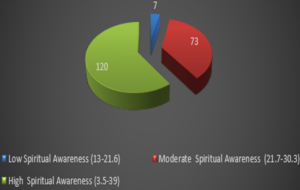
Figure 1: Distribution of parents according to their spiritual awareness score
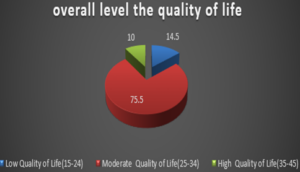
By studying quality of life parents, most of them (n=151; 75.5 percent) had moderate score quality of life and 14.5% had low scored and only 10% scored high. These are presented in (Figure 2).
The analysis reveals a positive correlation between parental spiritual awareness and their quality of life, as indicated by a Pearson's correlation coefficient (r) of 0.147. These are presented in (Table 2).
An analysis of variance (ANOVA) was conducted to examine statistical differences in spiritual awareness across various
demographic variables in the 200 participants. The findings indicate that father's age (F = 5.938, p = 0.003), type of family and hence support (F = 20.853, p < 0.001), number of children in the family (F = 3.032, p = 0.050), and mother's level of education (F = 11.076, p < 0.001) showed a statistically significant differences among the different levels of parental attitudes, with mother’s education and family type being highly significant predictors. (Table 3)
The number of children showed a marginally significant effect. In contrast, mother's age, father's education, mother's occupation, father's occupation, monthly income, and residence did not showed statistically significant effects on parental attitudes, as their p-values exceeded the conventional threshold of 0.05. These results suggest that specific demographic factors, particularly educational and familial context, may influence parental attitudes, while others, such as occupation and income, do not appear to have a notable impact in this sample.
An analysis of variance (ANOVA) was conducted to examine statistical differences in QOL across various demographic variables in the 200 participants. The findings indicate that father's age (p = 0.003), type of family and hence support (p = 0.003), mother’s level of education (p = 0.001) and monthy income (p = 0.020) (showed a statistically significant differences among the different levels of QOL.
Mother age, the number of children, Father Education, Father education and Parents occupation did not show statistically significant effects on QOL, as their p-values exceeded the conventional threshold of 0.05. These are presented in (Table 4).
Parents' spiritual awareness of their children with epilepsy is an important factor that enhances their ability to face the challenges of the disease, strengthens patience and hope, and improves the quality of care provided to the child.11 The study results showed that the level of parents' spiritual awareness of their children with epilepsy was mostly high (60%), followed by medium and low levels. These results are consistent with the study by Kasimoğlu & Baş, (2024) Studies indicate that the majority of parents have a high level of spiritual awareness regarding their children's epilepsy, which is attributed to the prevailing religious and cultural background based on belief in fate and destiny.4
These findings are consistent with the findings of Pokharel et al. (2021), which indicated that most parents of children with epilepsy experienced average levels of quality of life due to the ongoing challenges associated with caring for the affected child. This finding may be due to the psychological, social, and economic pressures parents face as a result of caring for a child with epilepsy, which leads to a decline in their overall well-being and psychological stability, thus concentrating their quality of life within the average range.4 The study results showed statistically significant, weak positive correlation (r = 0.147, p = 0.025) between parents' spiritual awareness and their quality of life toward children with epilepsy, this result is consistent with previous studies Lin et al. (2018), finding that spiritual awareness is an important determinant of positive coping and quality of life for families caring for children with chronic illnesses, contributing to enhanced resilience, contentment, hope, and the ability to cope with daily stressors.12
The results of the current study indicate that spiritual awareness was significantly influenced by the father's age (p=0.012), as older age increases religious experience and the tendency to use spiritual practices to deal with health and psychological challenges, reflecting the influence of demographic factors on the formation of spiritual beliefs.13
Regarding family type, the results showed statistically significant differences at the level of (p = 0.000), with extended families providing greater psychological and spiritual support and more collective religious practices compared to nuclear families, which affects the formation of individuals' spiritual awareness. The family represents the primary framework for the intergenerational transmission of religious beliefs and practices, and its type and structure significantly influence the formation of individuals' spiritual awareness and religious behaviors.14
The study results showed that mothers' spiritual awareness, due to the mother's educational level (p=0.000), may play a role in shaping their spiritual response to their child's health challenges. Mothers with a higher educational level may have greater access to health and spiritual information, which influences how they cope spiritually with their child's epilepsy.15
Regarding place of residence, the results did not show statistically significant differences (p = 0.113). indicating that spirituality is more influenced by individual, cultural, and religious factors common to different environments, and is not directly related to geography, as parents show similar levels of spiritual awareness whether they are from the countryside or the city.16
It was significantly affected by the father's occupation (p=0.001), the nature of the occupation affects the level of daily stress and the time available to the father to participate in spiritual activities and support his family, thus determining the father's ability to provide the necessary spiritual and emotional support to children with chronic illnesses.17
It was significantly affected by family monthly income (p=0.001). Financial income plays an important role in determining a family's ability to access spiritual resources and religious practices, as well as providing a psychologically and spiritually supportive environment for children with chronic illnesses. Research has shown that higher-income families often have greater flexibility in allocating time and resources to spiritual activities, which enhances parents' spiritual coping.18
The results of the current study showed no statistically significant differences between maternal age and quality of life (p = 0.334) This suggests that the mother's age is not a significant factor in the quality of family life, while a statistically significant relationship was found between paternal age and quality of life (p = 0.031). This finding is consistent with what Puka et al. (2018) reported, namely that older fathers possess greater life experience and maturity, making it easier for them to adapt to their child's condition, which positively impacts family quality of life.19
Regarding family type, the results of the current study revealed statistically significant differences in the quality of life of families of children with epilepsy according to family type (p = 0.003). This result is consistent with what was found in the study by Pokharelet al. (2021), which indicated that extended families provide greater social support compared to nuclear families, which is reflected positively in the quality of life.12
The study results show a statistically significant relationship between maternal education level and quality of life among families of children with epilepsy (p = 0.001), suggesting that mothers with higher education have better health awareness and a greater ability to adapt to their child's needs. In contrast, no relationship was found between paternal education and quality of life (p = 0.533), which may be related to mothers bearing a greater burden of daily care.20
The study results showed no statistically significant relationship between parental occupation and the quality of life of families of children with epilepsy. Neither the mother’s occupation (p = 0.263) nor the father’s (p = 0.138) affected the quality of life, consistent with the results of Toledano et al. (2020) study, which showed that quality of life is more affected by the burden of care and social support than by occupational factors.22
The study results showed a statistically significant relationship between monthly income and the quality of life of families of children with epilepsy (p = 0.020), indicating that a higher income level may contribute to improving the ability to meet the child’s needs and reducing family stress, which positively impacts the quality of family life.14 It appears that parents' spiritual awareness of their children with epilepsy is influenced by several demographic factors. These factors determine parents' ability to provide spiritual and emotional support, highlighting the importance of considering them when designing family support programs to promote coping and improve the quality of life of children with epilepsy.
This underscores the importance of enhancing spiritual awareness as a factor supporting psychological and social adaptation. It is recommended to implement educational and guidance programs that develop the spiritual side of families, given its role in improving their quality of life and their ability to face the challenges associated with caring for a child with epilepsy.
6. STUDY LIMITATION
Lack of national studied underlying of study.
7. DATA AVAILABILITY
Numerical data generated during this study is available on request.
8. ETHICAL CONSIDERATIONS
Approved by University of Babylon, College of Nursing, has reviewed and discussed your application to conduct the research study in issue: NO.71 at 10/3/2025.
9. CONFLICT OF INTEREST
No Conflict of Interest is Declared.
10. AUTHORS’ CONTRIBUTIONS
All authors contributed to the study and approved the final manuscript. The corresponding author, Zahraa Basim and Ashraf MA. Hussain, will handle all communications with the journal at every stage of the refereeing and publication process, including post-publication responsibilities
Authors affiliations:
- Zahraa Basim Mohammed, PhD. Pediatric Nursing Department, College of Nursing, University of Babylon, Thi-Qar Health Directorate Iraq. Email: zahraa.bashim@student.uobabylon.edu.iq
- Ashraf MA Hussain, PhD. Community and Family Medicine Department, College of Medicine, University of Babylon, Iraq. Email: ashraf.hussain@uobabylon.edu.iq
ABSTRACT
Background: Epilepsy is a common chronic neurological disorder among children, significantly impacting the lives of their families. Parental spiritual awareness plays an important role in enhancing their quality of life and their ability to cope with the challenges of caring for children with epilepsy. The objective of this study is to assess the level of spiritual awareness among parents of children with epilepsy and explore its relationship to their quality of life.
Methods: A cross-sectional study was conducted on a sample of 200 parents who had children affected with epilepsy. The sample distributed throughout three hospitals includes (Nasiriyah Teaching Hospital, Bint Al-Huda Teaching Hospital and Martyr Muhammad Al-Moussawi Children's Hospital). The reliability of the questionnaire was achieved through a pilot study and then presented to experts to prove its validity. The total number of items included in the questionnaire to measure spiritual awareness was 13-items and was 15-items to measure quality of life. The data was collected by using the interview technique.
Results: : The study showed that 60% of parents had a high level of spiritual awareness, while 75% of families had a moderate quality of life. The results also revealed a weak positive correlation between spiritual awareness and quality of life (r = 0.147). Statistically significant differences in spiritual awareness were found according to the father's age, family type, number of children, mother's education, father's occupation, and monthly income (p<0.05).
Conclusions: Spiritual awareness among parents enhances their ability to cope with their child's illness, thus improving their quality of daily life. The findings indicate the importance of educational programs to enhance and support spiritual awareness to improve parents' quality of life.
Keywords: Children, epilepsy, spiritual awareness, quality of life
Citation: Mohammed ZB, Hussain AMA. The relationship between spiritual awareness and quality of life among families of children with epilepsy. Anaesth. pain intensive care 2026;30(3):724-731. DOI: 10.35975/apic.v30i6.3268
Received: xxxx; Revised: xxxx; Accepted: xxxx
1. INTRODUCTION
Epilepsy is one of the most common chronic neurological disorders of childhood. The World Health Organization estimates that approximately 50 million people worldwide suffer from epilepsy, a large proportion of who are children, with higher rates recorded in developing countries due to limited health resources.1 The impact of the disease is not limited to recurrent seizures, but extends to various aspects of the child's and their family's life, including medical, psychological, and spiritual challenges.2 In this context, spiritual awareness is considered one of the factors that may contribute to improving families' quality of life. Studies indicate that families with a high level of spiritual awareness may be better able to cope with the psychological stresses associated with their children's epilepsy. This awareness can contribute to fostering patience and optimism, which positively impacts their quality of life.3 A study conducted in Turkey showed that parents with a high level of spiritual awareness demonstrated greater emotional control and a calmer response to seizures. Other studies have shown that spiritual awareness may contribute to enhancing confidence in the treatment plan and adherence to medication, through parents' belief in the possibility of achieving healing and relief through combining modern medicine with deep faith.4
The spiritual impact is not limited to the psychological aspect; it extends to improving the quality of life of the entire family. A study in Iran showed that families who viewed epilepsy from a more positive spiritual perspective were better able to reduce social stigma and adopt healthy coping strategies.5 Spiritual awareness also strengthens family bonds, giving parents a stronger motivation to be patient and compassionate in dealing with their child, transforming the experience from a source of suffering into an opportunity for spiritual growth and shared emotional support.6 Despite these positives, some challenges remain. Research reports have shown that some families may misinterpret epilepsy as divine punishment or an uncontrollable affliction, which psychologically burdens the child and impacts the way they receive care.7 Therefore, there is an urgent need for comprehensive awareness programs that integrate medical and spiritual education to correct misconceptions and enhance parents' understanding of epilepsy as a manageable disease, while maintaining spirituality as a supportive and complementary element of treatment.8 In addition, recent literature suggests that spiritual awareness not only supports parents' mental health but also contributes to shaping the attitudes of the community surrounding the child. Parents with high spiritual awareness demonstrate more accepting behaviors toward the disease in front of others, reducing social stigma and increasing the child's chances of integrating into educational and social activities.9 This study aims to investigate the relationship between spiritual awareness and quality of life among families of children with epilepsy in Thi-Qar Governorate, Iraq. Through this study, we hope to provide recommendations for improving the quality of life for parents and their families by promoting higher levels of spiritual awareness.
2. METHODOLOGY
2.1. Study Design
A cross-sectional study was conducted on a sample of 200 parents of children with epilepsy which was selected purposively. The sample was distributed throughout three hospitals at Thi-Qar Governorate / Southern Iraq.
2.2. Study Instrument
The questionnaire is one of the means used to collect data that contribute to achieving the expected results of the study. Therefore, the researcher designed a questionnaire, which aims to clarify the study objectives and significance by obtaining answers to the study’s questions.
This questionnaire consists of three parts which includes the following:
Part I: This section composed of socio-demographic information which include parents age, education level, occupation, family income/month, and number of children in family.
Part II: This section deals with spiritual awareness developed by the researcher through reviewing the literature and extracting relevant items from multiple sources, and consist of (13-items) measures spiritual awareness of parental toward epilepsy.
Part III: This section consists of (15-items) scale deals with quality of life which was developed and adopted by (Farnik et al., 2010), and designed to measure quality of life among families for children with epilepsy.10
2.3. Validity& Reliability of the Questionnaire
Validity was assigned to each of the study questionnaire's components based on linguistic appropriateness, correlation with the dimension of study variables to which it was assigned, and fit for the study population.
Reliability of the test assessed by delivering to 20 people from the study population who were not a part of the initial sample. The Cronbach's alpha was found to be 0.87 for spiritual awareness and 0.83 for quality of life.
2.4. Statistical Analysis
Data analysis achieved by SPSS version 27. Data were distributed and variances were examined using the independent samples t-test and one-way analysis of variance based on the sociodemographic characteristics of the participants. Results were presented descriptively using mean and standard deviation or percentages depending on the data type. Results were considered statistically significant if the p-value was less than 0.05.
3. RESULTS
The study assessed 200 of parents of children affected by epilepsy. The socio-demographic data of the study sample reveal that the majority mothers and fathers were aged between 31–40 years (within 60%), Regarding family structure, 55.5% lived in a nuclear family, while 44.5% were part of extended families. The majority of families had between 4–6 children (49%), while 19.5% had seven or more. In terms of maternal education, 28.5% of mothers had an institute or college degree, and 5.5% held a master’s or PhD, whereas 8% were illiterate. On the other hand, 61% of fathers, were elementary graduates, 27.5% had an institute or college education. Employment rates showed that 48% of fathers and 30.5% of mothers were employed hence monthly income were sufficient for 36.5% of families and not sufficient for 32%. Regarding residence (78.5%) of families lived in urban areas. This demographic profile highlights the predominance of middle-aged, married, urban-dwelling mothers as primary caregivers, with variable socioeconomic and educational backgrounds. By studying the spiritual awareness of parents, most of them (n=120; 60 percent) had high score awareness and 36.5% had moderate scored and only 3.5% scored low. These are presented in (Figure 1).
Figure 1: Distribution of parents according to their spiritual awareness score
By studying quality of life parents, most of them (n=151; 75.5 percent) had moderate score quality of life and 14.5% had low scored and only 10% scored high. These are presented in (Figure 2).
The analysis reveals a positive correlation between parental spiritual awareness and their quality of life, as indicated by a Pearson's correlation coefficient (r) of 0.147. These are presented in (Table 2).
| Table 1: Sociodemographic Characteristics of Participants | |||
| Data | Classification | Frequency | Percentage |
| Age of mothers | 20-30 years | 51 | 25.5 |
| 31-40 years | 123 | 61.5 | |
| 41-50 years | 26 | 13.0 | |
| Total | 200 | 100.0 | |
| Age of fathers | 20-30 years | 60 | 30.0 |
| 31-40 years | 118 | 59.0 | |
| 41-50 years | 22 | 11.0 | |
| Total | 200 | 100.0 | |
| Types of family | nuclear | 111 | 55.5 |
| extended | 89 | 44.5 | |
| Total | 200 | 100.0 | |
| Number of children | 1-3 | 63 | 31.5 |
| 4-6 | 98 | 49.0 | |
| 7 and above | 39 | 19.5 | |
| Total | 200 | 100.0 | |
| Educational level of mother | neither reads nor write | 16 | 8.0 |
| reads and write | 32 | 16.0 | |
| Elementary graduate | 44 | 22.0 | |
| middle school/ middle school graduate | 40 | 20.0 | |
| Institute/ college | 57 | 28.5 | |
| master / PhD | 11 | 5.5 | |
| Total | 200 | 100.0 | |
| Educational level of father | neither reads nor write | 2 | 1.0 |
| reads and write | 7 | 3.5 | |
| Elementary graduate | 122 | 61.0 | |
| middle school/ middle school graduate | 14 | 7.0 | |
| Institute/ college | 55 | 27.5 | |
| Total | 200 | 100.0 | |
| Occupation of mother | Employment | 61 | 30.5 |
| Un employment | 139 | 69.5 | |
| Total | 200 | 100.0 | |
| Occupation of father | Employment | 96 | 48.0 |
| Un employment | 104 | 52.0 | |
| Total | 200 | 100.0 | |
| Monthly income | sufficient | 73 | 36.5 |
| Barely sufficient | 63 | 31.5 | |
| not sufficient | 64 | 32.0 | |
| Total | 200 | 100.0 | |
| Table 2: Relationship between spiritual awareness and quality of life between families | ||||
| Parameters | Value | Approximate Tb | p-value | |
| Interval by Interval | Pearson's R | 0.147 | 2.214 | 0.025c |
An analysis of variance (ANOVA) was conducted to examine statistical differences in spiritual awareness across various
demographic variables in the 200 participants. The findings indicate that father's age (F = 5.938, p = 0.003), type of family and hence support (F = 20.853, p < 0.001), number of children in the family (F = 3.032, p = 0.050), and mother's level of education (F = 11.076, p < 0.001) showed a statistically significant differences among the different levels of parental attitudes, with mother’s education and family type being highly significant predictors. (Table 3)
| Table 3: Statistical Differences in Spiritual Awareness by Demographic Variables | ||||||
| Variable | Sum of Squares (Between) | df | Mean Square (Between) | F | Sig. (p-value) | Significance |
| Mother's Age | 0.006 | 2 | 0.003 | 0.041 | 0.960 | Not Sig. |
| Father's Age | 0.821 | 2 | 0.410 | 5.938 | 0.003 | Sig. |
| Type of Family | 1.376 | 1 | 1.376 | 20.853 | 0.000 | Highly Sig. |
| No. of Children | 0.431 | 2 | 0.216 | 3.032 | 0.050 | Not Sig. |
| Mother's Education | 3.206 | 5 | 0.641 | 11.076 | 0.000 | Highly Sig. |
| Father's Education | 0.525 | 4 | 0.131 | 1.841 | 0.123 | Not Sig. |
| Mother's Occupation | 0.234 | 1 | 0.234 | 3.261 | 0.072 | Not Sig. |
| Father's Occupation | 0.236 | 1 | 0.236 | 3.296 | 0.071 | Not Sig. |
| Monthly Income | 0.265 | 2 | 0.133 | 1.845 | 0.161 | Not Sig. |
| Residence | 0.425 | 4 | 0.131 | 1.841 | 0.113 | Not Sig. |
The number of children showed a marginally significant effect. In contrast, mother's age, father's education, mother's occupation, father's occupation, monthly income, and residence did not showed statistically significant effects on parental attitudes, as their p-values exceeded the conventional threshold of 0.05. These results suggest that specific demographic factors, particularly educational and familial context, may influence parental attitudes, while others, such as occupation and income, do not appear to have a notable impact in this sample.
An analysis of variance (ANOVA) was conducted to examine statistical differences in QOL across various demographic variables in the 200 participants. The findings indicate that father's age (p = 0.003), type of family and hence support (p = 0.003), mother’s level of education (p = 0.001) and monthy income (p = 0.020) (showed a statistically significant differences among the different levels of QOL.
Mother age, the number of children, Father Education, Father education and Parents occupation did not show statistically significant effects on QOL, as their p-values exceeded the conventional threshold of 0.05. These are presented in (Table 4).
| Table 4: Statistical Differences in Quality of Life by Demographic Variables (N = 200) | ||||||
| Demographic Variable | Sum of Squares | df | Mean Square | F | Sig. (p-value) | Significance |
| Mother age | 0.521 | 2 | 0.261 | 1.102 | 0.334 | Not Sig. |
| Father age | 1.734 | 2 | 0.867 | 3.556 | 0.031* | Sig. |
| Type of family | 2.215 | 1 | 2.215 | 8.904 | 0.003* | Highly Sig. |
| Number of children | 0.742 | 2 | 0.371 | 1.942 | 0.146 | Not Sig. |
| Mother education | 3.680 | 5 | 0.736 | 4.112 | 0.001* | Highly Sig. |
| Father education | 0.614 | 4 | 0.153 | 0.789 | 0.533 | Not Sig. |
| Mother occupation | 0.302 | 1 | 0.302 | 1.262 | 0.263 | Not Sig. |
| Father occupation | 0.494 | 1 | 0.494 | 2.213 | 0.138 | Not Sig. |
| Monthly income | 1.864 | 2 | 0.932 | 4.004 | 0.020 | Sig. |
4. DISCUSSION
Parents' spiritual awareness of their children with epilepsy is an important factor that enhances their ability to face the challenges of the disease, strengthens patience and hope, and improves the quality of care provided to the child.11 The study results showed that the level of parents' spiritual awareness of their children with epilepsy was mostly high (60%), followed by medium and low levels. These results are consistent with the study by Kasimoğlu & Baş, (2024) Studies indicate that the majority of parents have a high level of spiritual awareness regarding their children's epilepsy, which is attributed to the prevailing religious and cultural background based on belief in fate and destiny.4
These findings are consistent with the findings of Pokharel et al. (2021), which indicated that most parents of children with epilepsy experienced average levels of quality of life due to the ongoing challenges associated with caring for the affected child. This finding may be due to the psychological, social, and economic pressures parents face as a result of caring for a child with epilepsy, which leads to a decline in their overall well-being and psychological stability, thus concentrating their quality of life within the average range.4 The study results showed statistically significant, weak positive correlation (r = 0.147, p = 0.025) between parents' spiritual awareness and their quality of life toward children with epilepsy, this result is consistent with previous studies Lin et al. (2018), finding that spiritual awareness is an important determinant of positive coping and quality of life for families caring for children with chronic illnesses, contributing to enhanced resilience, contentment, hope, and the ability to cope with daily stressors.12
The results of the current study indicate that spiritual awareness was significantly influenced by the father's age (p=0.012), as older age increases religious experience and the tendency to use spiritual practices to deal with health and psychological challenges, reflecting the influence of demographic factors on the formation of spiritual beliefs.13
Regarding family type, the results showed statistically significant differences at the level of (p = 0.000), with extended families providing greater psychological and spiritual support and more collective religious practices compared to nuclear families, which affects the formation of individuals' spiritual awareness. The family represents the primary framework for the intergenerational transmission of religious beliefs and practices, and its type and structure significantly influence the formation of individuals' spiritual awareness and religious behaviors.14
The study results showed that mothers' spiritual awareness, due to the mother's educational level (p=0.000), may play a role in shaping their spiritual response to their child's health challenges. Mothers with a higher educational level may have greater access to health and spiritual information, which influences how they cope spiritually with their child's epilepsy.15
Regarding place of residence, the results did not show statistically significant differences (p = 0.113). indicating that spirituality is more influenced by individual, cultural, and religious factors common to different environments, and is not directly related to geography, as parents show similar levels of spiritual awareness whether they are from the countryside or the city.16
It was significantly affected by the father's occupation (p=0.001), the nature of the occupation affects the level of daily stress and the time available to the father to participate in spiritual activities and support his family, thus determining the father's ability to provide the necessary spiritual and emotional support to children with chronic illnesses.17
It was significantly affected by family monthly income (p=0.001). Financial income plays an important role in determining a family's ability to access spiritual resources and religious practices, as well as providing a psychologically and spiritually supportive environment for children with chronic illnesses. Research has shown that higher-income families often have greater flexibility in allocating time and resources to spiritual activities, which enhances parents' spiritual coping.18
The results of the current study showed no statistically significant differences between maternal age and quality of life (p = 0.334) This suggests that the mother's age is not a significant factor in the quality of family life, while a statistically significant relationship was found between paternal age and quality of life (p = 0.031). This finding is consistent with what Puka et al. (2018) reported, namely that older fathers possess greater life experience and maturity, making it easier for them to adapt to their child's condition, which positively impacts family quality of life.19
Regarding family type, the results of the current study revealed statistically significant differences in the quality of life of families of children with epilepsy according to family type (p = 0.003). This result is consistent with what was found in the study by Pokharelet al. (2021), which indicated that extended families provide greater social support compared to nuclear families, which is reflected positively in the quality of life.12
The study results show a statistically significant relationship between maternal education level and quality of life among families of children with epilepsy (p = 0.001), suggesting that mothers with higher education have better health awareness and a greater ability to adapt to their child's needs. In contrast, no relationship was found between paternal education and quality of life (p = 0.533), which may be related to mothers bearing a greater burden of daily care.20
The study results showed no statistically significant relationship between parental occupation and the quality of life of families of children with epilepsy. Neither the mother’s occupation (p = 0.263) nor the father’s (p = 0.138) affected the quality of life, consistent with the results of Toledano et al. (2020) study, which showed that quality of life is more affected by the burden of care and social support than by occupational factors.22
The study results showed a statistically significant relationship between monthly income and the quality of life of families of children with epilepsy (p = 0.020), indicating that a higher income level may contribute to improving the ability to meet the child’s needs and reducing family stress, which positively impacts the quality of family life.14 It appears that parents' spiritual awareness of their children with epilepsy is influenced by several demographic factors. These factors determine parents' ability to provide spiritual and emotional support, highlighting the importance of considering them when designing family support programs to promote coping and improve the quality of life of children with epilepsy.
5. CONCLUSIONS
This underscores the importance of enhancing spiritual awareness as a factor supporting psychological and social adaptation. It is recommended to implement educational and guidance programs that develop the spiritual side of families, given its role in improving their quality of life and their ability to face the challenges associated with caring for a child with epilepsy.
6. STUDY LIMITATION
Lack of national studied underlying of study.
7. DATA AVAILABILITY
Numerical data generated during this study is available on request.
8. ETHICAL CONSIDERATIONS
Approved by University of Babylon, College of Nursing, has reviewed and discussed your application to conduct the research study in issue: NO.71 at 10/3/2025.
9. CONFLICT OF INTEREST
No Conflict of Interest is Declared.
10. AUTHORS’ CONTRIBUTIONS
All authors contributed to the study and approved the final manuscript. The corresponding author, Zahraa Basim and Ashraf MA. Hussain, will handle all communications with the journal at every stage of the refereeing and publication process, including post-publication responsibilities
11. REFERENCES
- World Health Organization. Epilepsy fact sheet. [Internet]. 2024 Feb 7 [cited 2024 Feb 7]. [Free Text]
- World Health Organization. WHO Information Kit on Epilepsy: what you can do. [Online]. 2015. World Health Organization. [Free Text]
- Mohamed MA, Hassan MA, Mohamed MF. Effect of epilepsy on the quality of life of children and their family caregivers. IOSR J Nurs Health Sci. 2018;7(6):1-5. DOI: 9790/1959-0705055563
- Kasimoğlu N, Bağı N. The relationship between parental attitude toward childhood epilepsy and spiritual orientation. Epilepsy Behav. 2024;158:109946. PMID: 39002274 DOI: 1016/j.yebeh.2024.109946
- Souza MTD, Araújo LC, Silva AE, Trotte LAC, Gesteira ECR. Spirituality and religiosity in children, adolescents, and their families in a vulnerable context: a scoping review. Rev Bras Enferm. 2024;77(5):e20230425. PMCID: PMC11653882DOI:1590/0034-7167-2023-0425
- Honari B, Homam SM, Nabipour M, Mostafavian Z, Farajpour A, Sahbaie N. Epilepsy and quality of life in Iranian epileptic patients. J Patient-Reported Outcomes. 2021;5(1):16. PMCID: PMC7843789 DOI: 1186/s41687-021-00292-3
- Öztürk S, Şiftçi B. Exploring religious coping strategies among epilepsy patients in Turkey: A descriptive study. Epilepsy Behav. 2024;161:110060. PMID: 39305805 DOI: 1016/j.yebeh.2024.110060
- Kaddumukasa M, Kaddumukasa MN, Buwembo W, Munabi IG, Blixen C, Lhatoo S, et al. Epilepsy misconceptions and stigma reduction interventions in sub-Saharan Africa: a systematic review. Epilepsy Behav. 2018;85:21-7. PMCID: PMC6355646 DOI: 1016/j.yebeh.2018.04.014
- Ndou AE, Makhado L, Netshisaulu OP. Assessing knowledge, attitudes, and misconceptions about epilepsy among University of Venda students: A call for enhanced education and awareness. Epilepsy Behav Rep. 2025;100807. PMCID: PMC12281377 DOI: 1016/j.ebr.2025.100807
- Farnik M, Brożek G, Pierzchała W, Zejda JE, Skrzypek M, Walczak Å. Development, evaluation and validation of a new instrument for measurement quality of life in the parents of children with chronic disease. Health Qual Life Outcomes. 2010;8:1-9. PMCID: PMC3024278 DOI: 1186/1477-7525-8-151
- Drutchas A, Anandarajah GOWRI. Spirituality and coping with chronic disease in pediatrics. Rhode Island Med J. 2014;97(3):26. PMID: 24596927
- Pokharel R, Poudel P, Lama S. Quality of life among caregivers of children with epilepsy: A cross-sectional study at Eastern Nepal. Epilepsia Open. 2021;6(1):120-6. PMCID: PMC7918323 DOI: 1002/epi4.12449
- Lin CY, Saffari M, Koenig HG, Pakpour AH. Effects of religiosity and religious coping on medication adherence and quality of life among people with epilepsy. Epilepsy Behav. 2018;78:45-51. PMID: 29175219 DOI: 1016/j.yebeh.2017.10.008
- Wider W, Tanucan JCM, Wu X, Mutua C, Pang NTP, Ling GHT, et al. The role of demographic factors on religious beliefs: Evidence from five countries. F1000Res. 2023;12:372. [Free Text]
- Gemar A. Parental influence and intergenerational transmission of religious belief, attitudes, and practices: Recent evidence from the United States. Religions. 2023;14(11):1373. DOI: 3390/rel14111373
- Alawwadh A, Alzahrani DA, Almallah AM, Alshabeeb MS, Alshahrani WA, Alshehri SA, et al. The knowledge, concerns, and beliefs of mothers towards febrile convulsions and its management in Aseer, Saudi Arabia. Cureus. 2024;16(10). PMCID: PMC11558022 DOI: 7759/cureus.71403
- Fikre K. Religion as a functional equivalent of medicine: Religious experiences of family caregivers of people with chronic illnesses in Addis Ababa, Ethiopia. J Relig Health. 2025;1-16. PMID: 39752083DOI: 1007/s10943-024-02229-8
- Cucchi A, Qoronfleh MW. Cultural perspective on religion, spirituality, and mental health. Front Psychol. 2025;16:1568861. PMCID: PMC12000082 DOI: 3389/fpsyg.2025.1568861
- Tadesse A, Helton JJ, Li K. Perceived worries and spirituality: a mixed methods study of the primary caregiver well-being of orphan and vulnerable children in Ethiopia. Children. 2024;11(4):380. PMCID: PMC11048821 DOI: 3390/children11040380
- Puka K, Tavares TP, Anderson KK, Ferro MA, Speechley KN. A systematic review of quality of life in parents of children with epilepsy. Epilepsy Behav. 2018;82:38-45. PMID:29579553 DOI: 1016/j.yebeh.2018.03.008
- Toledano-Toledano F, Moral de la Rubia J, Nabors LA, Domínguez-Guedea MT, Salinas Escudero G, Rocha Perez E, et al. Predictors of quality of life among parents of children with chronic diseases: a cross-sectional study. Healthcare. 2020;8(4):456. PMCID: PMC7712866 DOI: 3390/healthcare8040456