Ahmed Monier Eldemerdash 1*, Sarah Ahmed Afifi 2, Sondos Afifi 3
Authors affiliations:
Objectives: To evaluate the efficacy of lidocaine and dexmedetomidine infusions in controlling intraoperative bleeding during FESS.
Methods: Sixty subjects undergoing FESS were involved in a randomized, double-blind investigation and allocated into two distinct treatment arms. Group L was treated with an initial lidocaine bolus of 1.5 mg/kg, subsequently maintained with a continuous infusion at a rate of 1 mg/kg/h. Conversely, Group D received a 1 µg/kg loading dose of dexmedetomidine, followed by a maintenance infusion adjusted to a rate between 0.4 and 0.7 µg/kg/h.
Results: Subjects in Group D demonstrated a notably improved surgical field quality, as indicated by a median Fromme score of 1 (range 0-2), in contrast to a median score of 2 (range 1-2) in Group L (P = 0.004). Furthermore, beginning 10 minutes post-induction and persisting until the end of surgery, Group D displayed notably minor heart rate and mean arterial pressure values. A significant prolongation in the time to first rescue analgesic requirement was observed in Group D compared to Group L (P < 0.001), accompanied by reduced total morphine consumption (P = 0.004). Postoperative pain, assessed using the visual analog scale, was notably lower in Group D at the 2-, 4-, and 6-hour time points. Surgeon satisfaction was notably superior for the surgical conditions provided by Group D (P = 0.028).
Conclusions: Dexmedetomidine infusion provides superior surgical field quality and postoperative analgesia compared to lidocaine during FESS, with a comparable safety profile.
Keywords: Dexmedetomidine, Functional Endoscopic Sinus Surgery, Intraoperative Bleeding, Lidocaine, Surgical Field Quality
Citation: Eldemerdash AM, Afifi SA, Afifi S. A Randomized Double-Blind Trial Comparing Lidocaine and Dexmedetomidine Infusions for Intraoperative Bleeding in Patients Undergoing Functional Endoscopic Sinus Surgery. Anaesth. pain intensive care 2026;30(6):732-741. DOI: 10.35975/apic.v30i6.3267
Received: xx; Revised: xx; Accepted: xx
Functional endoscopic sinus surgery (FESS) has emerged as a frequently performed surgical procedure involving the nasal cavity.1 Maintaining sufficient surgical visualization during FESS performed under general anesthesia presents a significant obstacle, as excessive bleeding frequently obscures the operative field.2,3 When significant bleeding occurs, it not only prolongs the operation but can also lead to serious complications, including meningitis, blindness, intracranial injury, and cerebrospinal fluid leakage.4
Numerous techniques have been established to manage bleeding during surgery, including injecting local vasoconstrictors and administering antifibrinolytic agents.5 While various pharmaceutical agents can achieve deliberate hypotension.6 Standard options like nitroglycerine have demonstrated lowering blood pressure, and may unexpectedly increase surgical field bleeding through vasodilation.7
As a highly selective α2-adrenoceptor agonist, dexmedetomidine provides sedation, anxiolysis, and analgesia-sparing properties while causing minimal impact on respiratory function.8 It acts on α2-receptors in blood vessels to cause vasoconstriction while inhibiting norepinephrine release at sympathetic terminals, providing beneficial analgesia and sedation with low respiratory depression risk.9
Lidocaine, an amino amide-type local anesthetic, presents an alternative approach with its short half-life and established safety profile, making it suitable for continuous intravenous administration.10 Research has demonstrated its efficacy as an adjunct strategy for postoperative pain management.11
The utilization of lidocaine in FESS remains underexplored in the existing literature, with limited research available to comprehensively evaluate its efficacy and safety in this context. Given the critical importance of bleeding control in endoscopic procedures, such as FESS, and the availability of these promising agents, our study aims to evaluate the effectiveness of lidocaine and dexmedetomidine infusions in controlling intraoperative bleeding in individuals undergoing FESS procedures.
This randomized, double-blind clinical trial, conducted at Ain Shams University Hospitals, Egypt, between July and December 2024, followed approval from the medical ethics committee (FMASU R42/2024/2025). The authors declare that the work described has been carried out in accordance with the Declaration of Helsinki of the World Medical Association, revised in 2013. Written informed consent was obtained from all participants. Sixty subjects, both male and female, aged 18 to 65 years, with an ASA physical status classification of I or II, and scheduled for elective FESS, were enrolled in the study.
Subjects with asthma, cardiovascular conditions, cerebrovascular disease, coagulopathies, chronic obstructive pulmonary disease, diabetes mellitus, end-organ dysfunction, renal or hepatic impairment, and uncontrolled hypertension were excluded. Subjects with a history of psychosis, substance abuse, or known allergies to study medications were also excluded. Furthermore, individuals receiving antipsychotic medications or beta-blockers, or those presenting with a heart rate below 50 beats per minute, were deemed ineligible for participation.
2.1. Randomization and blindness
Randomization was performed using an online program (https://www.randomizer.org/), and patient codes were sealed in opaque envelopes. Using a 1:1 allocation ratio, individuals were randomly assigned to one of two parallel groups: Group L, which received lidocaine, and Group D, which received dexmedetomidine. Both interventional medications were set by a pharmacist who did not participate, maintaining the double-blind design for both subjects and outcome assessors.
Preoperatively, medical histories were obtained, clinical evaluations were carried out, and standard laboratory tests were performed. Subjects were instructed to use the Visual Analogue Scale (VAS)12 to assess postoperative pain, where 0 represented the absence of pain, and 10 signified the most severe pain conceivable.
Standard individual monitoring was conducted intraoperatively using capnography, electrocardiography, non-invasive blood pressure monitoring, pulse oximetry, and temperature probes. Following cannula placement, all subjects were administered 2 mg of intravenous (IV) midazolam as a premedication.
General anesthesia was induced using a conventional approach. Intravenous administration of propofol (1.5–2.5 mg/kg) and fentanyl (1 µg/kg) was performed for induction. After administering intravenous atracurium (0.5 mg/kg), subjects underwent endotracheal intubation. Sevoflurane (2%) was used in a 50% oxygen mixture to maintain general anesthesia. Additional doses of intravenous atracurium (0.1 mg/kg) were given as needed. End-tidal CO2 levels were maintained between 35 and 40 mmHg via mechanical ventilation.
The treatment protocol for Group L involved an intravenous administration of lidocaine, commencing with a 1.5 mg/kg bolus injection and continuing with a constant infusion at a rate of 1 mg/kg/h. Conversely, the protocol for Group D consisted of dexmedetomidine administration, starting with a 1 µg/kg loading dose infused over 10 minutes, followed by a continuous infusion maintained at a rate of 0.4 to 0.7 µg/kg/h. The study medications were administered promptly following the introduction of anesthesia and continued without interruption until the surgical procedure was completed. Mean arterial pressure (MAP) was carefully regulated within a target range of 65 to 75 mmHg throughout the surgical procedure.
The assessment of surgical field quality was conducted by the operating surgeon employing the scale, a method initially established by Fromme et al.,13 this classification system categorizes bleeding intensity as follows: 0 indicated the absence of any bleeding; 1 denoted minimal bleeding without the need for suctioning; 2 represented slight bleeding necessitating occasional suctioning, though the surgical field remained clearly visible; 3 signified mild bleeding requiring frequent suctioning, with bleeding briefly obscuring the surgical field after suction removal; 4 indicated moderate bleeding necessitating frequent suctioning, with bleeding immediately obscuring the surgical field upon suction removal; and 5 represented intense bleeding requiring constant suctioning, bleeding surpasses the suction's removal capacity, surgical field notably obscured, making surgery unfeasible). A surgical field with a scale value of ≤3 was considered ideal.
Heart rate (HR) and MAP were measured at baseline, 5, 10, 15, 20, 35, 50, 65, 80, 95, 110 minutes, and at the end of surgery.
If MAP fell below the target range, 5 mg of intravenous ephedrine was administered, with repeated doses given as necessary. If blood pressure exceeded the specified range, nitroglycerin was administered at 10 µg/minute. If the HR fell below 50 beats per minute, an intervention of 0.5 mg of atropine was implemented.
Lidocaine and dexmedetomidine administration ceased before the conclusion of the surgical procedure. Neuromuscular blockade was reversed by administering 0.05 mg/kg of neostigmine and 0.02 mg/kg of atropine. An estimation of the total blood loss volume was performed.14
A 5-point Likert scale15 was employed to judge patient satisfaction. Awakening time was documented, measured as the duration between the discontinuation of propofol and the patient's eye-opening response to verbal commands. Furthermore, the duration from the conclusion of surgery to the administration of the first dose of morphine, designated as the time to first request for rescue analgesia, was documented. Postoperative pain intensity was evaluated using the VAS at several intervals: upon admission to the post-anesthesia care unit (PACU) and subsequently at 2, 4, 6, 12, 18, and 24 hours after surgery completion. Lastly, the total morphine consumption within the first 24 hours of post-surgery was documented.
Adverse events were monitored, including hypotension, bradycardia, respiratory depression (SpO2 <95% requiring oxygen supplementation), and postoperative nausea and vomiting (treated with ondansetron 4 mg).
The primary outcome was the quality of the surgical field. Secondary outcomes included total morphine consumption, intraoperative hemodynamics, time first to rescue analgesia request, pain scores, patient satisfaction, and adverse events.
2.2. Sample size calculation:
The G*Power 3.1.9.2 software (Universitat Kiel, Germany) was utilized. Preliminary data from a pilot study involving five subjects in each group revealed a mean (± SD) Fromme et al. scale score of 1.6 ± 1.14 for the dexmedetomidine group and 2.8 ± 1.64 for the lidocaine group. Based on these findings, an effect size of 0.849 was calculated. To ensure a 95% confidence interval, 80% power, and a 1:1 group allocation ratio, with an additional seven subjects per group to account for potential dropouts, 30 individuals were employed for each set.
Statistical analysis
SPSS software, version 27 (IBM©, Armonk, NY, USA) was utilized. Normality was assessed with the Shapiro-Wilk test and histograms. Normally distributed data were summarized as mean ± SD and compared with Student's t-test. Non-normal data were expressed as median (interquartile range, IQR) and analyzed using the Mann-Whitney U test. Categorical variables (frequencies and %) used Chi-square/Fisher's exact tests. Significance: p≤0.05.
In this investigation, 73 individuals were evaluated for eligibility. Of these, seven individuals were excluded because they did not meet the inclusion criteria, and six declined to participate. The remaining 60 individuals were subsequently randomized into two groups, with 30 participants assigned to each. All 60 subjects were followed throughout the study and included in the final statistical analysis. Figure 1
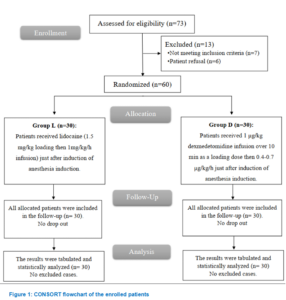
Figure 1: CONSORT flowchart of the enrolled patients
Patient characteristics and surgery duration showed no substantial variation between the two cohorts. Table 1
HR and MAP measurements showed no substantial variations between the two groups at baseline and 5 minutes. However, from 10 minutes onward, specifically at 10, 15, 20, 35, 50, 65, 80, 95, and 110 minutes, as well as at the end of surgery, HR and MAP were notably lower in Group D compared to Group L (P < 0.05). Table 2
The median (IQR) surgical field scale score was 2 (1-2) for Group L and 1 (0-2) for Group D. A statistically significant improvement in the surgical field scale was observed in Group D compared to Group L, with P < 0.001 and a median difference of -1 (95% confidence interval: -1 to 0). Table 3
Although the time to awakening was comparable between the groups, the duration until the initial request for rescue analgesia was notably longer in subjects in Group D demonstrated notably lower total morphine consumption when compared to those in Group L (P = 0.006). Table 4
Group D than in Group L (P < 0.001). Moreover, VAS measurements were insignificantly different at PACU, 12, 18, and 24 hours, relating to both groups, and were notably lower at 2, 4, and 6 hours in group D than in group L (P < 0.05). Table 5
The frequency of adverse events, such as bradycardia, hypotension, and postoperative nausea and vomiting (PONV), was comparable between the groups, as was patient satisfaction. Neither group experienced any occurrences of upper airway obstruction, respiratory depression, or emergence agitation. Surgeon satisfaction was notably greater in Group D than in Group L (P = 0.003). Table 6
Optimal visualization of the surgical field through effective control of intraoperative bleeding is crucial for successful FESS, as excessive bleeding can compromise surgical precision and increase the risk of complications.5,16
As evaluated using the Fromme scale, the surgical field quality demonstrated notably superior results in the dexmedetomidine group compared to the lidocaine group (median 1 vs. 2, P = 0.004).
Our results are supported by Gousheh et al.,5 who reported notably reduced intraoperative bleeding with dexmedetomidine compared to saline (116.33±29.43 vs. 250.69±45.74 mL, P<0.0001). Similarly, Ayoglu et al.17 found that dexmedetomidine substantially decreased bleeding volumes and scores in subjects undergoing septoplasty and tympanoplasty.
In contrast, while lidocaine has been shown to reduce bleeding in some contexts, its effects appear to be less pronounced compared to dexmedetomidine. Moeen et al.16 reported that intravenous lidocaine infusion reduced intraoperative bleeding and improved surgeon satisfaction during FESS, but the magnitude of this effect was smaller than that observed with dexmedetomidine in our study. Albazee et al.18 also noted in their systematic review that lidocaine did not reduce estimated blood loss compared to placebo.
Our results demonstrated a significant reduction in total morphine consumption within the dexmedetomidine group (P = 0.004), coupled with a notably prolonged time to the first requirement for rescue analgesia (P < 0.001). Although initial VAS scores upon arrival in the PACU were similar between the groups, significant differences became apparent during the early postoperative period, specifically between 2- and 6-hours post-surgery, with the dexmedetomidine group maintaining lower pain scores. These findings are consistent with previous research demonstrating dexmedetomidine's potent analgesic properties. Mohammed et al.19 reported that dexmedetomidine notably reduced both intraoperative fentanyl consumption and postoperative analgesic requirements compared to lidocaine. Similarly, Bao et al.20 observed that although the total sufentanil consumption within the 24-hour postoperative period was comparable between groups, dexmedetomidine administration reduced pain scores during the early postoperative phase.
Our results showed that HR and MAP were notably lower in the dexmedetomidine group at multiple time points during surgery (p<0.05). Mohammed et al.19 reported notably lower MAP and HR in the dexmedetomidine group at various intraoperative time points, while Durmus et al.21 found that dexmedetomidine reduced both HR and MAP during induction, operation, and extubation in elective tympanoplasty and septorhinoplasty. Interestingly, our findings differ somewhat from those of Bao et al.,20 who found significant differences in HR but not in MAP in pediatric craniotomy. In contrast, lidocaine's effects on hemodynamics are less pronounced. While Moeen et al.16 reported that lidocaine infusion reduced MAP and HR during FESS, the magnitude of this effect was smaller than that observed with dexmedetomidine in our study. Albazee et al.18 also noted that lidocaine did not affect HR or MAP compared to placebo in FESS, suggesting that lidocaine's hemodynamic effects are relatively modest.
The dexmedetomidine group exhibited substantially decreased VAS scores at different time points postoperatively than the lidocaine group (P < 0.05). This pattern suggests that dexmedetomidine provides superior pain control in the early postoperative period, but its effects diminish over time. These outcomes match Bao et al.,20 who reported that dexmedetomidine subjects had notably lower pain scores in the first 4 hours post-surgery, though the difference was clinically slight. Similarly, Mohammed et al.19 found that dexmedetomidine was associated with consistently lower postoperative pain scores up to 24 hours.
This finding aligns with the mechanistic understanding of dexmedetomidine's action, as detailed by Liu et al.22 and Zhao et al.,23 who explained that dexmedetomidine, through its selective α2-adrenoceptor agonism, reduces sympathetic tone to control bleeding, enhances surgical field visibility, maintains hemodynamic stability by lowering HR and MAP, and provides prolonged analgesia by modulating pain pathways and inhibiting norepinephrine release.
In contrast, lidocaine could stabilize hemodynamics during surgery by suppressing inflammatory mediators like prostaglandins and histamine, can reduce bleeding when combined with epinephrine due to its vasoconstrictive properties, and its analgesic effects are primarily mediated through its action on voltage-gated sodium channels, which inhibit pain signal transmission as described by Lee and Schraag24 and Lai et al.25
Our study found no significant difference in awakening time between the groups. Our results align more closely with Kim et al.,26 who discovered that dexmedetomidine was associated with shorter extubation times compared to alternative agents. However, Bao et al.20 reported notably longer awakening times in their dexmedetomidine group (48 min vs. 31 min, P = 0.0001).
Our study found no significant differences in complications such as bradycardia, hypotension, or PONV between the two groups. This finding is consistent with that of Bao et al.,20 who described no substantial changes in obstacles such as PONV concerning dexmedetomidine and lidocaine groups. Similarly, Mohammed et al.19 discovered that dexmedetomidine was linked with fewer complications, including a minimal rate of nausea and vomiting, than lidocaine.
Surgeon satisfaction was notably superior in the dexmedetomidine group than the lidocaine group (P = 0.028), with most surgeons reporting being satisfied or extremely satisfied with dexmedetomidine. Consistent with these findings, Jouybar et al.27 demonstrated higher surgeon and patient satisfaction with dexmedetomidine (P < 0.001), while Moeen et al.16 noted improved surgeon satisfaction with lidocaine over control (P < 0.05).
Patient satisfaction was comparable between the two groups, with most subjects reporting satisfaction or extreme satisfaction with their treatment. This finding is consistent with Kim et al.,26 who observed no substantial differences in patient satisfaction between the dexmedetomidine and control groups. However, Jouybar et al.27 reported high levels of patient satisfaction in both dexmedetomidine and control groups, though dexmedetomidine was associated with higher surgeon satisfaction due to better bleeding control.
The study had several limitations. The sample size was relatively small, which may have limited statistical power. The single-center design may affect generalizability to other healthcare settings. Additionally, the study focused on immediate postoperative outcomes without long-term follow-up. The fixed-dosing regimen used may not account for individual patient variability in drug response, and the study excluded subjects with significant comorbidities, thereby limiting its applicability to higher-risk populations. Moreover, the absence of a control group restricts the ability to compare outcomes and draw definitive conclusions directly.
Dexmedetomidine infusion notably improves surgical field quality during FESS compared to lidocaine. Moreover, dexmedetomidine provided superior postoperative analgesia, evidenced by delayed time first to rescue analgesia and reduced total morphine consumption. Both agents showed comparable safety profiles, suggesting dexmedetomidine as the preferred option for FESS procedures.
6. Authors’ contribution
A.M.E.: Study concept and design.
S.A.A.: Study concept and design.
S.A.: Analysis and interpretation of data.
A.M.E.: Critical revision of the manuscript for important intellectual content.
S.A.A.: Administrative, technical, and material support.
8. Financial support and sponsorship
Nil
9. Conflict of interests
None to be declared.
Authors affiliations:
- Ahmed Monier Eldemerdash, Lecturer of Anesthesia, Intensive Care, and Pain Management, Faculty of Medicine, Ain Shams University, Cairo, Egypt. Email: ahmedmonier@med.asu.edu.eg
- Sarah Ahmed Afifi, Lecturer of Anesthesia, Intensive Care, and Pain Management, Faculty of Medicine, Ain Shams University, Cairo, Egypt. Email:Sarah60606060@gmail.com
- Sondos Afifi, Lecturer of Anesthesia, Intensive Care, and Pain Management, Faculty of Medicine, Ain Shams University, Cairo, Egypt. Email: Sondos77ahmed@yahoo.com
ABSTRACT
Objectives: To evaluate the efficacy of lidocaine and dexmedetomidine infusions in controlling intraoperative bleeding during FESS.
Methods: Sixty subjects undergoing FESS were involved in a randomized, double-blind investigation and allocated into two distinct treatment arms. Group L was treated with an initial lidocaine bolus of 1.5 mg/kg, subsequently maintained with a continuous infusion at a rate of 1 mg/kg/h. Conversely, Group D received a 1 µg/kg loading dose of dexmedetomidine, followed by a maintenance infusion adjusted to a rate between 0.4 and 0.7 µg/kg/h.
Results: Subjects in Group D demonstrated a notably improved surgical field quality, as indicated by a median Fromme score of 1 (range 0-2), in contrast to a median score of 2 (range 1-2) in Group L (P = 0.004). Furthermore, beginning 10 minutes post-induction and persisting until the end of surgery, Group D displayed notably minor heart rate and mean arterial pressure values. A significant prolongation in the time to first rescue analgesic requirement was observed in Group D compared to Group L (P < 0.001), accompanied by reduced total morphine consumption (P = 0.004). Postoperative pain, assessed using the visual analog scale, was notably lower in Group D at the 2-, 4-, and 6-hour time points. Surgeon satisfaction was notably superior for the surgical conditions provided by Group D (P = 0.028).
Conclusions: Dexmedetomidine infusion provides superior surgical field quality and postoperative analgesia compared to lidocaine during FESS, with a comparable safety profile.
Keywords: Dexmedetomidine, Functional Endoscopic Sinus Surgery, Intraoperative Bleeding, Lidocaine, Surgical Field Quality
Citation: Eldemerdash AM, Afifi SA, Afifi S. A Randomized Double-Blind Trial Comparing Lidocaine and Dexmedetomidine Infusions for Intraoperative Bleeding in Patients Undergoing Functional Endoscopic Sinus Surgery. Anaesth. pain intensive care 2026;30(6):732-741. DOI: 10.35975/apic.v30i6.3267
Received: xx; Revised: xx; Accepted: xx
1. INTRODUCTION
Functional endoscopic sinus surgery (FESS) has emerged as a frequently performed surgical procedure involving the nasal cavity.1 Maintaining sufficient surgical visualization during FESS performed under general anesthesia presents a significant obstacle, as excessive bleeding frequently obscures the operative field.2,3 When significant bleeding occurs, it not only prolongs the operation but can also lead to serious complications, including meningitis, blindness, intracranial injury, and cerebrospinal fluid leakage.4
Numerous techniques have been established to manage bleeding during surgery, including injecting local vasoconstrictors and administering antifibrinolytic agents.5 While various pharmaceutical agents can achieve deliberate hypotension.6 Standard options like nitroglycerine have demonstrated lowering blood pressure, and may unexpectedly increase surgical field bleeding through vasodilation.7
As a highly selective α2-adrenoceptor agonist, dexmedetomidine provides sedation, anxiolysis, and analgesia-sparing properties while causing minimal impact on respiratory function.8 It acts on α2-receptors in blood vessels to cause vasoconstriction while inhibiting norepinephrine release at sympathetic terminals, providing beneficial analgesia and sedation with low respiratory depression risk.9
Lidocaine, an amino amide-type local anesthetic, presents an alternative approach with its short half-life and established safety profile, making it suitable for continuous intravenous administration.10 Research has demonstrated its efficacy as an adjunct strategy for postoperative pain management.11
The utilization of lidocaine in FESS remains underexplored in the existing literature, with limited research available to comprehensively evaluate its efficacy and safety in this context. Given the critical importance of bleeding control in endoscopic procedures, such as FESS, and the availability of these promising agents, our study aims to evaluate the effectiveness of lidocaine and dexmedetomidine infusions in controlling intraoperative bleeding in individuals undergoing FESS procedures.
2. METHODOLOGY
This randomized, double-blind clinical trial, conducted at Ain Shams University Hospitals, Egypt, between July and December 2024, followed approval from the medical ethics committee (FMASU R42/2024/2025). The authors declare that the work described has been carried out in accordance with the Declaration of Helsinki of the World Medical Association, revised in 2013. Written informed consent was obtained from all participants. Sixty subjects, both male and female, aged 18 to 65 years, with an ASA physical status classification of I or II, and scheduled for elective FESS, were enrolled in the study.
Subjects with asthma, cardiovascular conditions, cerebrovascular disease, coagulopathies, chronic obstructive pulmonary disease, diabetes mellitus, end-organ dysfunction, renal or hepatic impairment, and uncontrolled hypertension were excluded. Subjects with a history of psychosis, substance abuse, or known allergies to study medications were also excluded. Furthermore, individuals receiving antipsychotic medications or beta-blockers, or those presenting with a heart rate below 50 beats per minute, were deemed ineligible for participation.
2.1. Randomization and blindness
Randomization was performed using an online program (https://www.randomizer.org/), and patient codes were sealed in opaque envelopes. Using a 1:1 allocation ratio, individuals were randomly assigned to one of two parallel groups: Group L, which received lidocaine, and Group D, which received dexmedetomidine. Both interventional medications were set by a pharmacist who did not participate, maintaining the double-blind design for both subjects and outcome assessors.
Preoperatively, medical histories were obtained, clinical evaluations were carried out, and standard laboratory tests were performed. Subjects were instructed to use the Visual Analogue Scale (VAS)12 to assess postoperative pain, where 0 represented the absence of pain, and 10 signified the most severe pain conceivable.
Standard individual monitoring was conducted intraoperatively using capnography, electrocardiography, non-invasive blood pressure monitoring, pulse oximetry, and temperature probes. Following cannula placement, all subjects were administered 2 mg of intravenous (IV) midazolam as a premedication.
General anesthesia was induced using a conventional approach. Intravenous administration of propofol (1.5–2.5 mg/kg) and fentanyl (1 µg/kg) was performed for induction. After administering intravenous atracurium (0.5 mg/kg), subjects underwent endotracheal intubation. Sevoflurane (2%) was used in a 50% oxygen mixture to maintain general anesthesia. Additional doses of intravenous atracurium (0.1 mg/kg) were given as needed. End-tidal CO2 levels were maintained between 35 and 40 mmHg via mechanical ventilation.
The treatment protocol for Group L involved an intravenous administration of lidocaine, commencing with a 1.5 mg/kg bolus injection and continuing with a constant infusion at a rate of 1 mg/kg/h. Conversely, the protocol for Group D consisted of dexmedetomidine administration, starting with a 1 µg/kg loading dose infused over 10 minutes, followed by a continuous infusion maintained at a rate of 0.4 to 0.7 µg/kg/h. The study medications were administered promptly following the introduction of anesthesia and continued without interruption until the surgical procedure was completed. Mean arterial pressure (MAP) was carefully regulated within a target range of 65 to 75 mmHg throughout the surgical procedure.
The assessment of surgical field quality was conducted by the operating surgeon employing the scale, a method initially established by Fromme et al.,13 this classification system categorizes bleeding intensity as follows: 0 indicated the absence of any bleeding; 1 denoted minimal bleeding without the need for suctioning; 2 represented slight bleeding necessitating occasional suctioning, though the surgical field remained clearly visible; 3 signified mild bleeding requiring frequent suctioning, with bleeding briefly obscuring the surgical field after suction removal; 4 indicated moderate bleeding necessitating frequent suctioning, with bleeding immediately obscuring the surgical field upon suction removal; and 5 represented intense bleeding requiring constant suctioning, bleeding surpasses the suction's removal capacity, surgical field notably obscured, making surgery unfeasible). A surgical field with a scale value of ≤3 was considered ideal.
Heart rate (HR) and MAP were measured at baseline, 5, 10, 15, 20, 35, 50, 65, 80, 95, 110 minutes, and at the end of surgery.
If MAP fell below the target range, 5 mg of intravenous ephedrine was administered, with repeated doses given as necessary. If blood pressure exceeded the specified range, nitroglycerin was administered at 10 µg/minute. If the HR fell below 50 beats per minute, an intervention of 0.5 mg of atropine was implemented.
Lidocaine and dexmedetomidine administration ceased before the conclusion of the surgical procedure. Neuromuscular blockade was reversed by administering 0.05 mg/kg of neostigmine and 0.02 mg/kg of atropine. An estimation of the total blood loss volume was performed.14
A 5-point Likert scale15 was employed to judge patient satisfaction. Awakening time was documented, measured as the duration between the discontinuation of propofol and the patient's eye-opening response to verbal commands. Furthermore, the duration from the conclusion of surgery to the administration of the first dose of morphine, designated as the time to first request for rescue analgesia, was documented. Postoperative pain intensity was evaluated using the VAS at several intervals: upon admission to the post-anesthesia care unit (PACU) and subsequently at 2, 4, 6, 12, 18, and 24 hours after surgery completion. Lastly, the total morphine consumption within the first 24 hours of post-surgery was documented.
Adverse events were monitored, including hypotension, bradycardia, respiratory depression (SpO2 <95% requiring oxygen supplementation), and postoperative nausea and vomiting (treated with ondansetron 4 mg).
The primary outcome was the quality of the surgical field. Secondary outcomes included total morphine consumption, intraoperative hemodynamics, time first to rescue analgesia request, pain scores, patient satisfaction, and adverse events.
2.2. Sample size calculation:
The G*Power 3.1.9.2 software (Universitat Kiel, Germany) was utilized. Preliminary data from a pilot study involving five subjects in each group revealed a mean (± SD) Fromme et al. scale score of 1.6 ± 1.14 for the dexmedetomidine group and 2.8 ± 1.64 for the lidocaine group. Based on these findings, an effect size of 0.849 was calculated. To ensure a 95% confidence interval, 80% power, and a 1:1 group allocation ratio, with an additional seven subjects per group to account for potential dropouts, 30 individuals were employed for each set.
Statistical analysis
SPSS software, version 27 (IBM©, Armonk, NY, USA) was utilized. Normality was assessed with the Shapiro-Wilk test and histograms. Normally distributed data were summarized as mean ± SD and compared with Student's t-test. Non-normal data were expressed as median (interquartile range, IQR) and analyzed using the Mann-Whitney U test. Categorical variables (frequencies and %) used Chi-square/Fisher's exact tests. Significance: p≤0.05.
3. RESULTS
In this investigation, 73 individuals were evaluated for eligibility. Of these, seven individuals were excluded because they did not meet the inclusion criteria, and six declined to participate. The remaining 60 individuals were subsequently randomized into two groups, with 30 participants assigned to each. All 60 subjects were followed throughout the study and included in the final statistical analysis. Figure 1
Figure 1: CONSORT flowchart of the enrolled patients
Patient characteristics and surgery duration showed no substantial variation between the two cohorts. Table 1
| Table 1: Patient characteristics and duration of surgery | ||||
| Group L
(n=30) |
Group D (n=30) |
P-value | ||
| Age (years) | 42.83 ± 11.93 | 40.63 ± 11.42 | 0.468 | |
| Sex | Male | 17 (56.67%) | 19 (63.33%) | 0.598 |
| Female | 13 (43.33%) | 11 (36.67%) | ||
| Weight (kg) | 80.57 ± 8.22 | 77.83 ± 8.77 | 0.218 | |
| Height (cm) | 169.7 ± 5.63 | 171.07 ± 4.66 | 0.310 | |
| Body mass index (kg/m2) | 28.07 ± 3.51 | 26.65 ± 3.26 | 0.109 | |
| ASA physical status | I | 21 (70%) | 22 (73.33%) | 0.774 |
| II | 9 (30%) | 8 (26.67%) | ||
| Duration of surgery (min) | 109.83 ± 13.99 | 107.5 ± 11.65 | 0.485 | |
| Data expressed as mean ± SD or frequency (%). | ||||
HR and MAP measurements showed no substantial variations between the two groups at baseline and 5 minutes. However, from 10 minutes onward, specifically at 10, 15, 20, 35, 50, 65, 80, 95, and 110 minutes, as well as at the end of surgery, HR and MAP were notably lower in Group D compared to Group L (P < 0.05). Table 2
| Table 2: HR and MAP measurements | |||
| Group L
(n=30) |
Group D (n=30) |
P-value | |
| Heart rate (beats/min) | |||
| Baseline | 81.53±7.59 | 77.47±9.78 | 0.077 |
| 5 min | 80.07±7.62 | 75.83±9.21 | 0.057 |
| 10 min | 78.43±7.74 | 71.9±9.77 | 0.006 |
| 15 min | 78.1±7.91 | 70.47±10.06 | 0.002 |
| 20 min | 76.4±7.32 | 70.2±10.21 | 0.009 |
| 35 min | 76.97±8.38 | 68.5±9.94 | 0.001 |
| 50 min | 73.97±8.38 | 65.77±8.97 | 0.001 |
| 65 min | 75.87±7.76 | 67.87±9.51 | 0.001 |
| 80 min | 72.9±6.68 | 66.43±8.46 | 0.002 |
| 95 min | 72.83±7.65 | 66.83±8.82 | 0.017 |
| 110 min | 72.21±8.09 | 61.89±7.7 | 0.006 |
| End of surgery | 75.1±7.81 | 68.3±9.78 | 0.004 |
| Mean arterial blood pressure (mmHg) | |||
| Baseline | 98.33±6.47 | 97.2±6.72 | 0.508 |
| 5 min | 96.9±6.72 | 94.83±6.54 | 0.232 |
| 10 min | 94.5±6.45 | 89.97±7.53 | 0.015 |
| 15 min | 93.8±5.88 | 88.6±8.99 | 0.010 |
| 20 min | 91.73±7.16 | 86.83±8.73 | 0.021 |
| 35 min | 91.93±8.43 | 85.13±8.59 | 0.003 |
| 50 min | 90.8±6.97 | 85.7±8.49 | 0.014 |
| 65 min | 89.33±6.27 | 85.4±6.98 | 0.025 |
| 80 min | 90.07±5.71 | 85.73±8.28 | 0.022 |
| 95 min | 91.48±7.18 | 86.57±6.49 | 0.019 |
| 110 min | 89.5±5.87 | 83.11±6.74 | 0.025 |
| End of surgery | 91.93±6.61 | 88.17±7.19 | 0.039 |
| Data expressed as mean ± SD. | |||
The median (IQR) surgical field scale score was 2 (1-2) for Group L and 1 (0-2) for Group D. A statistically significant improvement in the surgical field scale was observed in Group D compared to Group L, with P < 0.001 and a median difference of -1 (95% confidence interval: -1 to 0). Table 3
| Table 3: Surgical field by Fromme et al scale | ||||
| Group L
(n=30) |
Group D (n=30) |
P-value | Median difference (95%CI) | |
| Surgical field scale | 2(1-2) | 1(0-2) | <0.001 | -1 (-1: 0) |
| Data expressed as median (IQR). | ||||
Although the time to awakening was comparable between the groups, the duration until the initial request for rescue analgesia was notably longer in subjects in Group D demonstrated notably lower total morphine consumption when compared to those in Group L (P = 0.006). Table 4
| Table 4: Time to awake, time to first request of rescue analgesia, and total morphine consumption | |||
| Group L
(n=30) |
Group D (n=30) |
P-value | |
| Time to awaken (min) | 9.1 ± 3.71 | 7.53 ± 2.67 | 0.066 |
| Time to first request of rescue analgesia (h) | 3.17 ± 0.79 | 6.23 ± 1.45 | <0.001 |
| Total morphine consumption (mg) | 8.9 ± 1.84 | 7.6 ± 1.71 | 0.006 |
| Data expressed as mean ± SD. | |||
Group D than in Group L (P < 0.001). Moreover, VAS measurements were insignificantly different at PACU, 12, 18, and 24 hours, relating to both groups, and were notably lower at 2, 4, and 6 hours in group D than in group L (P < 0.05). Table 5
| Table 5: Visual analog scale | |||
| Group L
(n=30) |
Group D (n=30) |
P-value | |
| Post-anesthesia care unit | 1 (0 - 1) | 0 (0 - 1) | 0.198 |
| 2 h | 3 (2 - 3) | 1.5 (1 - 2) | 0.001 |
| 4 h | 3 (2 - 5) | 2 (1 - 3) | 0.004 |
| 6 h | 3 (3 - 4) | 2 (2 - 3) | 0.015 |
| 12 h | 4 (3 - 5) | 4 (3 - 4) | 0.866 |
| 18 h | 3.5 (3 - 5) | 3 (2 - 4) | 0.233 |
| 24 h | 3 (3 - 4) | 2.5 (2 - 4) | 0.197 |
| Data expressed as median (IQR). | |||
The frequency of adverse events, such as bradycardia, hypotension, and postoperative nausea and vomiting (PONV), was comparable between the groups, as was patient satisfaction. Neither group experienced any occurrences of upper airway obstruction, respiratory depression, or emergence agitation. Surgeon satisfaction was notably greater in Group D than in Group L (P = 0.003). Table 6
| Table 6: Complications and patient and surgeon satisfaction | |||
| Group L
(n=30) |
Group D (n=30) |
P-value | |
| Complications | |||
| Bradycardia | 2 (6.67%) | 4 (13.33%) | 0.671 |
| Hypotension | 3 (10%) | 7 (23.33%) | 0.299 |
| Postoperative nausea and vomiting | 4 (13.33%) | 3 (10%) | 1 |
| Upper airway obstruction | 0 (0%) | 0 (0%) | --- |
| Respiratory depression | 0 (0%) | 0 (0%) | --- |
| Emergence agitation | 0 (0%) | 0 (0%) | --- |
| Patient satisfaction | |||
| Extremely satisfied | 13 (43.33%) | 16 (53.33%) | 0.430 |
| Satisfied | 7 (23.33%) | 9 (30%) | |
| Neutral | 6 (20%) | 4 (13.33%) | |
| Dissatisfied | 4 (13.33%) | 1 (3.33%) | |
| Extremely dissatisfied | 0 (0%) | 0 (0%) | |
| Surgeon satisfaction | |||
| Extremely satisfied | 7 (23.33%) | 22 (73.33%) | 0.003 |
| Satisfied | 16 (53.33%) | 7 (23.33%) | |
| Neutral | 4 (13.33%) | 1 (3.33%) | |
| Dissatisfied | 2 (6.67%) | 0 (0%) | |
| Extremely dissatisfied | 1 (3.33%) | 0 (0%) | |
| Data expressed as frequency (%). | |||
4. DISCUSSION
Optimal visualization of the surgical field through effective control of intraoperative bleeding is crucial for successful FESS, as excessive bleeding can compromise surgical precision and increase the risk of complications.5,16
As evaluated using the Fromme scale, the surgical field quality demonstrated notably superior results in the dexmedetomidine group compared to the lidocaine group (median 1 vs. 2, P = 0.004).
Our results are supported by Gousheh et al.,5 who reported notably reduced intraoperative bleeding with dexmedetomidine compared to saline (116.33±29.43 vs. 250.69±45.74 mL, P<0.0001). Similarly, Ayoglu et al.17 found that dexmedetomidine substantially decreased bleeding volumes and scores in subjects undergoing septoplasty and tympanoplasty.
In contrast, while lidocaine has been shown to reduce bleeding in some contexts, its effects appear to be less pronounced compared to dexmedetomidine. Moeen et al.16 reported that intravenous lidocaine infusion reduced intraoperative bleeding and improved surgeon satisfaction during FESS, but the magnitude of this effect was smaller than that observed with dexmedetomidine in our study. Albazee et al.18 also noted in their systematic review that lidocaine did not reduce estimated blood loss compared to placebo.
Our results demonstrated a significant reduction in total morphine consumption within the dexmedetomidine group (P = 0.004), coupled with a notably prolonged time to the first requirement for rescue analgesia (P < 0.001). Although initial VAS scores upon arrival in the PACU were similar between the groups, significant differences became apparent during the early postoperative period, specifically between 2- and 6-hours post-surgery, with the dexmedetomidine group maintaining lower pain scores. These findings are consistent with previous research demonstrating dexmedetomidine's potent analgesic properties. Mohammed et al.19 reported that dexmedetomidine notably reduced both intraoperative fentanyl consumption and postoperative analgesic requirements compared to lidocaine. Similarly, Bao et al.20 observed that although the total sufentanil consumption within the 24-hour postoperative period was comparable between groups, dexmedetomidine administration reduced pain scores during the early postoperative phase.
Our results showed that HR and MAP were notably lower in the dexmedetomidine group at multiple time points during surgery (p<0.05). Mohammed et al.19 reported notably lower MAP and HR in the dexmedetomidine group at various intraoperative time points, while Durmus et al.21 found that dexmedetomidine reduced both HR and MAP during induction, operation, and extubation in elective tympanoplasty and septorhinoplasty. Interestingly, our findings differ somewhat from those of Bao et al.,20 who found significant differences in HR but not in MAP in pediatric craniotomy. In contrast, lidocaine's effects on hemodynamics are less pronounced. While Moeen et al.16 reported that lidocaine infusion reduced MAP and HR during FESS, the magnitude of this effect was smaller than that observed with dexmedetomidine in our study. Albazee et al.18 also noted that lidocaine did not affect HR or MAP compared to placebo in FESS, suggesting that lidocaine's hemodynamic effects are relatively modest.
The dexmedetomidine group exhibited substantially decreased VAS scores at different time points postoperatively than the lidocaine group (P < 0.05). This pattern suggests that dexmedetomidine provides superior pain control in the early postoperative period, but its effects diminish over time. These outcomes match Bao et al.,20 who reported that dexmedetomidine subjects had notably lower pain scores in the first 4 hours post-surgery, though the difference was clinically slight. Similarly, Mohammed et al.19 found that dexmedetomidine was associated with consistently lower postoperative pain scores up to 24 hours.
This finding aligns with the mechanistic understanding of dexmedetomidine's action, as detailed by Liu et al.22 and Zhao et al.,23 who explained that dexmedetomidine, through its selective α2-adrenoceptor agonism, reduces sympathetic tone to control bleeding, enhances surgical field visibility, maintains hemodynamic stability by lowering HR and MAP, and provides prolonged analgesia by modulating pain pathways and inhibiting norepinephrine release.
In contrast, lidocaine could stabilize hemodynamics during surgery by suppressing inflammatory mediators like prostaglandins and histamine, can reduce bleeding when combined with epinephrine due to its vasoconstrictive properties, and its analgesic effects are primarily mediated through its action on voltage-gated sodium channels, which inhibit pain signal transmission as described by Lee and Schraag24 and Lai et al.25
Our study found no significant difference in awakening time between the groups. Our results align more closely with Kim et al.,26 who discovered that dexmedetomidine was associated with shorter extubation times compared to alternative agents. However, Bao et al.20 reported notably longer awakening times in their dexmedetomidine group (48 min vs. 31 min, P = 0.0001).
Our study found no significant differences in complications such as bradycardia, hypotension, or PONV between the two groups. This finding is consistent with that of Bao et al.,20 who described no substantial changes in obstacles such as PONV concerning dexmedetomidine and lidocaine groups. Similarly, Mohammed et al.19 discovered that dexmedetomidine was linked with fewer complications, including a minimal rate of nausea and vomiting, than lidocaine.
Surgeon satisfaction was notably superior in the dexmedetomidine group than the lidocaine group (P = 0.028), with most surgeons reporting being satisfied or extremely satisfied with dexmedetomidine. Consistent with these findings, Jouybar et al.27 demonstrated higher surgeon and patient satisfaction with dexmedetomidine (P < 0.001), while Moeen et al.16 noted improved surgeon satisfaction with lidocaine over control (P < 0.05).
Patient satisfaction was comparable between the two groups, with most subjects reporting satisfaction or extreme satisfaction with their treatment. This finding is consistent with Kim et al.,26 who observed no substantial differences in patient satisfaction between the dexmedetomidine and control groups. However, Jouybar et al.27 reported high levels of patient satisfaction in both dexmedetomidine and control groups, though dexmedetomidine was associated with higher surgeon satisfaction due to better bleeding control.
The study had several limitations. The sample size was relatively small, which may have limited statistical power. The single-center design may affect generalizability to other healthcare settings. Additionally, the study focused on immediate postoperative outcomes without long-term follow-up. The fixed-dosing regimen used may not account for individual patient variability in drug response, and the study excluded subjects with significant comorbidities, thereby limiting its applicability to higher-risk populations. Moreover, the absence of a control group restricts the ability to compare outcomes and draw definitive conclusions directly.
5. CONCLUSION
Dexmedetomidine infusion notably improves surgical field quality during FESS compared to lidocaine. Moreover, dexmedetomidine provided superior postoperative analgesia, evidenced by delayed time first to rescue analgesia and reduced total morphine consumption. Both agents showed comparable safety profiles, suggesting dexmedetomidine as the preferred option for FESS procedures.
6. Authors’ contribution
A.M.E.: Study concept and design.
S.A.A.: Study concept and design.
S.A.: Analysis and interpretation of data.
A.M.E.: Critical revision of the manuscript for important intellectual content.
S.A.A.: Administrative, technical, and material support.
- Acknowledgment
8. Financial support and sponsorship
Nil
9. Conflict of interests
None to be declared.
10. REFERENCES
- Parvizi A, Haddadi S, Habibi AF, Nemati S, Akhtar N, Ramezani H. Dexmedetomidine efficacy in quality of surgical field during endoscopic sinus surgery. Iran J Otorhinolaryngol. 2019;31(106):281–288. PMCID: PMC6764817
- Mostafa MG, Youssef AN, Mohamed IT, Mohamed KH. The effect of endoscopic sphenopalatine ganglion block on hemodynamics in functional endoscopic sinus surgery (FESS) operation. Minia J Med Res. 2023;34(2):35–44.
- Parfianowicz A, Surma A, Jaworski A, Grajnert F, Plizga J, Głuszczyk A, et al. Local anesthesia as an alternative to general anesthesia in ENT surgery – a review of selected procedures. Qual Sport. 2024;17:53354. DOI: 12775/QS.2024.17.53354
- Machado ADS. Effect of anesthesia on endoscopic sinus surgery hemostasis: a state-of-the-art review. Cureus. 2023;15(7):e42467. PMCID: PMC10450361 DOI: 7759/cureus.42467
- Gousheh SMR, Olapour AR, Nesioonpour S, Rashidi M, Pooyan S. The effect of intravenous infusion of dexmedetomidine to prevent bleeding during functional endoscopic sinus surgery: a clinical trial. Anesth Pain Med. 2017;7(4):e12682.PMCID: PMC5883081 DOI: 5812/aapm.12682
- Kumar P, Shastri A, Chethanananda T, Sangeetha S. A comparative study of intraoperative infusion of dexmedetomidine vs esmolol for controlled hypotension in functional endoscopic sinus surgeries. Eur J Cardiovasc Nurs. 2024;14:1149–1154.[Free Text]
- Zayed M, Nassar H, Hasanin A, Saleh AH, Hassan P, Saad D, et al. Effects of nitroglycerin versus labetalol on peripheral perfusion during deliberate hypotension for sinus endoscopic surgery: a randomized, controlled, double-blinded trial. BMC Anesthesiol. 2020;20:85. PMCID: PMC7164266 DOI: 1186/s12871-020-01006-w
- Recchia A, Tonti MP, Mirabella L, Izzi A, Del Gaudio A. The pharmacological class alpha 2 agonists for stress control in patients with respiratory failure: the main actor in the different acts. Stresses. 2022;3(1):1–10. DOI: 3390/stresses3010001
- Weerink MA, Struys MM, Hannivoort LN, Barends CR, Absalom AR, Colin P. Clinical pharmacokinetics and pharmacodynamics of dexmedetomidine. Clin Pharmacokinet. 2017;56(8):893–913.PMC5511603 DOI: 1007/s40262-017-0507-7
- Nour Eldeen AY, Saleh ZT, Aamer RM. Magnesium sulphate, lidocaine or nitroglycerin for controlled hypotension and quality of the surgical field in patients undergoing tympanoplasty. Egypt J Hosp Med. 2022;88(1):2861–2870.
- Choi KW, Nam KH, Lee JR, Chung WY, Kang SW, Joe YE, et al. The effects of intravenous lidocaine infusions on the quality of recovery and chronic pain after robotic thyroidectomy: a randomized, double-blinded, controlled study. World J Surg. 2017;41:1305–1312. PMID: 27896411 DOI: 1007/s00268-016-3842-1
- Choi S, Yoon SH, Lee HJ. Beyond measurement: a deep dive into the commonly used pain scales for postoperative pain assessment. Korean J Pain. 2024;37:188–200.PMCID: PMC11220383 DOI: 3344/kjp.24069
- Fromme GA, MacKenzie RA, Gould AB Jr, Lund BA, Offord KP. Controlled hypotension for orthognathic surgery. Anesth Analg. 1986;65(6):683–686.PMID: 3706806
- Hashemi SJ, Heidari SM, Yaraghi A, Seirafi R. Acid–base and hemodynamic status of patients with intraoperative hemorrhage using two solution types: crystalloid Ringer lactate and 1.3% sodium bicarbonate in half-normal saline solution. Adv Biomed Res. 2016;5(1):190. PMCID: PMC5156971 DOI: 4103/2277-9175.191000
- Chen Q, Beal EW, Okunrintemi V, Cerier E, Paredes A, Sun S, et al. The association between patient satisfaction and patient-reported health outcomes. J Patient Exp. 2019;6(3):201–209.PMCID: PMC6739681 DOI: 1177/2374373518795414
- Moeen SM, Mandour AM, Soliman OM, Osman MM. Effect of lidocaine infusion on intraoperative bleeding during functional endoscopic sinus surgery: a randomized controlled trial. Minerva Anestesiol. 2022;88(11):901–909.PMID: 35766954 DOI: 23736/S0375-9393.22.16475-8
- Ayoglu H, Yapakci O, Ugur MB, Uzun L, Altunkaya H, Ozer Y, et al. Effectiveness of dexmedetomidine in reducing bleeding during septoplasty and tympanoplasty operations. J Clin Anesth. 2008;20(6):437–441.PMID: 18929284 DOI: 1016/j.jclinane.2008.04.008
- Albazee E, Alsubaie HM, AlKandery M, Abdulrahman S, Alsaleh S. Efficacy of perioperative lidocaine infusion on surgical field quality during functional endoscopic sinus surgery: a systematic review and meta-analysis with trial sequential analysis. Eur Arch Otorhinolaryngol. 2024;281(6):2819–2831. PMCID: 38231242 DOI: 1007/s00405-024-08455-w
- Mohammed NS, Habib MK, Abbas EA, Mahmoud SM, Ramadan IA. Comparative study between the effect of dexmedetomidine and lidocaine infusion in lumbar fixation on hemodynamics, fentanyl requirements, and postoperative analgesia. Ain Shams J Anesthesiol. 2020;12(1):67. DOI: 1186/s42077-020-00119-1
- Bao D, Wang Y, Xiong W, Zhang D, Qiao L, Zheng N, et al. Intraoperative application of low-dose dexmedetomidine or lidocaine for postoperative analgesia in pediatric patients following craniotomy: a randomized double-blind placebo-controlled trial. Front Surg. 2024;11:1371588.PMCID: PMC11228272 DOI: 3389/fsurg.2024.1371588
- Durmus M, But A, Dogan Z, Yucel A, Miman M, Ersoy M. Effect of dexmedetomidine on bleeding during tympanoplasty or septorhinoplasty. Eur J Anaesthesiol. 2007;24(5):447–453. PMID: 17241505 DOI: 1017/S0265021506002122
- Liu X, Li Y, Kang L, Wang Q. Recent advances in the clinical value and potential of dexmedetomidine. J Inflamm Res. 2021;14:7507–7527.PMCID: PMC8724687 DOI: 2147/JIR.S346089
- Zhao Y, He J, Yu N, Jia C, Wang S. Mechanisms of dexmedetomidine in neuropathic pain. Front Neurosci. 2020;14:330.PMCID: PMC7214625 DOI: 3389/fnins.2020.00330
- Lee IWS, Schraag S. The use of intravenous lidocaine in perioperative medicine: anaesthetic, analgesic and immune-modulatory aspects. J Clin Med. 2022;11(12):3543.PMCID: PMC9224677 DOI: 3390/jcm11123543
- Lai Y, Chen Q, Xiang C, Li G, Wei K. Comparison of the effects of dexmedetomidine and lidocaine on stress response and postoperative delirium of older patients undergoing thoracoscopic surgery: a randomized controlled trial. Clin Interv Aging. 2023;18:1275–1283.PMCID: PMC10405814 DOI: 2147/CIA.S419835
- Kim H, Ha SH, Kim CH, Lee SH, Choi SH. Efficacy of intraoperative dexmedetomidine infusion on visualization of the surgical field in endoscopic sinus surgery. Korean J Anesthesiol. 2015;68(5):449–454.PMCID: PMC4610923 DOI: 4097/kjae.2015.68.5.449
- Jouybar R, Nemati M, Asmarian N. Comparison of the effects of remifentanil and dexmedetomidine on surgeon satisfaction with surgical field visualization and intraoperative bleeding during rhinoplasty. BMC Anesthesiol. 2022;22(1):24.PMCID: PMC8759207 DOI: 1186/s12871-021-01546-9