Suruma Yousuf Kunju 1 , Gayathri Bhat 2 , M. Govindraj Bhat 3 , Chandrashekar J. Sorake 4
Authors affiliations:
Background: Endoscopic Retrograde Cholangiopancreatography (ERCP) is a complex endoscopic procedure which is sometimes quite challenging. Appropriate sedation and analgesia guarantee adequate patient participation.
Aim: To compare and evaluate the combinations of propofol-fentanyl and propofol-dexmedetomidine for intravenous sedation during ERCP using Bispectral Index (BIS).
Methods: Eighty-two patients undergoing ERCP under IV sedation were studied in two groups. Group A received fentanyl 1 mcg/kg IV, while Group B received dexmedetomidine 1 mcg/kg over 10 minutes. Both groups received an initial propofol bolus (1-2 mg/kg) followed by infusion (1-5 mg/kg/h) targeting a BIS value < 60. Additional Propofol doses were administered for BIS > 70.
Result: The onset of sedation was significantly faster in Group B (1.96 ± 0.43 min vs. 2.33 ± 0.47 min; p < 0.001). The total propofol dose required was significantly lower in Group B (initial dose: 40 ± 5.48 mg vs. 52.20 ± 4.19 mg; P < 0.001; additional dose: 83.17 ± 17.53 mg vs. 118.05 ± 18.87 mg; P < 0.001). Recovery time was shorter in Group B (9.08 ± 1.50 min vs. 11.14 ± 1.50 min; P < 0.001). Patient satisfaction was comparable between groups, but physician satisfaction was significantly higher for Group B (P < 0.05).
Conclusion: In this study, the Dexmedetomidine-propofol combination was associated with faster onset and recovery, reduced propofol requirements, and higher physician satisfaction during ERCP compared to Fentanyl-propofol.
Keywords: Endoscopic Retrograde Cholangiopancreatography; ERCP; Bispectral Index; Dexmedetomidine; Fentanyl; Sedation; Physician Satisfaction
Citation: Kunju SG, Bhat G, Bhat MG, Sorake CJ. A BIS guided comparison of propofol-fentanyl and propofol-dexmedetomidine combinations for intravenous sedation in endoscopic retrograde cholangiopancreatography (ERCP). Anaesth. pain intensive care 2026;30(6):716-723. DOI: 10.35975/apic.v30i6.3266
Received: May 09, 2025; Revised: October 26, 2025; Accepted: January 01, 2025
1. INTRODUCTION
Endoscopic Retrograde Cholangiopancreatography (ERCP) is a complex endoscopic procedure used to diagnose and manage several biliary and pancreatic disorders.1 A contrast dye can be injected into the ducts to enable imaging and therapeutic intervention.2 Adequate sedation and analgesia during the procedure ensure better patient cooperation and success. Sedation methods for ERCP vary depending on patient needs, the complexity of the procedure, and institutional protocols. Intravenous (IV) sedation is commonly preferred over general anesthesia due to quicker recovery times, reduced invasiveness, and cost-effectiveness, making it suitable for outpatient settings.3
Propofol, a widely used IV sedative, is known for its rapid onset and recovery. However, it poses risks of respiratory and cardiovascular depression when used in higher doses, necessitating the use of adjuvants to balance sedation depth and safety.4
Fentanyl, a synthetic opioid, has been a conventional choice for its strong analgesic properties and relatively short duration of action. However, it lacks sedative synergy with propofol and may lead to higher propofol dose requirements to achieve adequate sedation. 5
Dexmedetomidine, a highly selective alpha-2 adrenergic agonist, has gained prominence as a sedative and analgesic agent. Unlike Fentanyl, Dexmedetomidine reduces the need for additional sedative agents and maintains hemodynamic stability, making it a compelling adjuvant to propofol.6 Additionally, its minimal respiratory depressant effects and anti-nociceptive properties suggest a potential advantage over Fentanyl in procedural sedation. Despite these theoretical benefits, studies comparing propofol-Dexmedetomidine and propofol-Fentanyl combinations in ERCP are limited.7
This comparative study aims to fill this gap by comparing the two drug combinations using Bispectral Index (BIS) monitoring, an advanced method of assessing sedation depth.8 BIS-guided sedation has been shown to optimize drug dosing and reduce complications, but its application in evaluating these specific drug combinations remains underexplored.9 By focusing on key parameters such as sedation onset, recovery time, hemodynamic stability, adverse events, and satisfaction levels, this research provides novel insights into the comparative efficacy of these regimens. The findings aim to inform clinical practices for achieving safer and more effective sedation during ERCP.
This is a non-randomized comparative study conducted between June 2023 and November 2023 in patients undergoing ERCP under IV sedation. Approval from the Institutional Ethics Committee (INST.EC/EC 076 2021-22) and trial registration (CTRI/2023/06/054292) were obtained.
Participants who met the inclusion criteria (i.e., age: 18 to 65 years, ASA PS: I, II, and III, body weight: 40 to 70 kg) were included in the study. Any history suggestive of allergic reaction to propofol, Dexmedetomidine or Fentanyl, pregnancy or lactation, anticipated difficult airway, patients with chronic kidney disease, neurological deficit or psychiatric illness, evidence of hepatic encephalopathy or ascites, hyponatremia (<120 meq/l), hypo or hyperkalaemia ( <3 meq/l and >5.5 meq/l) and patients with comorbidities like uncontrolled hypertension, hypotension, arrhythmias, uncontrolled diabetes mellitus, congestive cardiac failure and low cardiac output conditions were excluded from the study.
The sample size was calculated based on a prior study by Jasmitha et al. (2022), which used n-Master software version 2 to compare recovery times for propofol-Dexmedetomidine and propofol-Fentanyl combinations during sedation for surgical procedures.10 To achieve 80% power at a 5% significance level (alpha = 0.05), the required sample size per group was calculated to be 41 patients, making a total of 82 patients. This calculation ensured that the study was adequately powered to detect a statistically significant difference in recovery times between the two groups.
An IV line was set up and maintained with 0.9% normal saline or ringer lactate on the day of the procedure. Thirty minutes before the surgery, Injection Ondansetron 0.15 mg/kg was given intravenously to all patients to prevent postoperative nausea and vomiting.
Standard anesthesia monitors, such as an ECG, pulse oximeter, and NIBP, were then connected to the patients once they had been taken to the surgery room. Every baseline parameter was noted. For the procedure,
patients were then placed in a semi-prone position. Each patient received additional oxygen at a rate of 2 L/min through nasal prongs. Additionally, 0.2 mg of Inj Glycopyrrolate was administered intravenously.
The convenience sampling method was used and the patients were divided into groups: A and B. Patients in group A received Fentanyl 1 mcg/kg intravenously over 10 min whereas Group B received Dexmedetomidine 1 mcg/ kg over 10 minutes at the beginning of the procedure. A loading dose of propofol 1-2 mg/kg was given to both groups before the procedure, after which an infusion at the rate of 1-5 mg/kg/h throughout the procedure was given, targeting a BIS of < 60. In either group, a bolus of 10–20 mg of propofol was given if the patient's BIS was greater than 70.
The duration between the administration of the loading dose of propofol and the achievement of a BIS value of 60 was recorded as the time taken for onset of sedation. Throughout the procedure, vitals and BIS were monitored. The heart rate (HR), oxygen saturation (SPO2), systolic blood pressure (SBP) and diastolic blood pressure (DBP) were recorded at 0 min, 3 min, 5 min and 15 min from the initial bolus dose of propofol. Oxygen desaturation or apnoea (SpO2 <94%) was managed by bag and mask ventilation, and hypotension (> 30% fall of MAP) was treated using IV fluid bolus or vasopressor (Injection Ephedrine). Injection Atropine was given if the heart rate went below 50 beats/min. A mean arterial pressure (MAP) and HR more than 30% from the initial baseline values were considered hypertension and tachycardia. Coughing, gagging, hiccups, nausea, and vomiting were also noted. The time from the endoscope insertion to its removal is taken as the procedure time.
The recovery of patients was recorded when patients were able to open their eyes on command, able to handle secretions, follow simple commands and were hemodynamically stable, attaining of BIS value > 90.
Recovery time was also recorded, which was from the time when the drug infusion was stopped till the BIS became more than 90. All patients' experiences related to the anesthesia and procedure were recorded, and the satisfaction level was noted. Postoperative recovery was recorded using Modified Aldrete score and pain using the Visual Analogue Scale (VAS), for the next one hour. Also, occurrence of post-operative nausea and vomiting (PONV) was noted.
Physician satisfaction was evaluated immediately after the procedure using a 4-point scale. Patient satisfaction was assessed one hour after the procedure using a 4-point scale. Both satisfaction assessments were conducted by an interviewer blinded to the drug combinations to prevent bias in data collection. Data were entered and computed using Microsoft Excel, version 16.79.1, © 2023 Microsoft Corporation. Descriptive statistics included percentages, means, and standard deviations, and were illustrated using graphs and charts. Comparison of the groups was done using the chi-square test, t-test, and repeated measures ANOVA with Bonferroni post hoc test. A p-value of ≤ 0.05 was considered statistically significant.
In the study, the eligibility of 89 patients was evaluated, out of which 82 patients were selected and divided into two groups. Groups A and B were comparable in terms of age, gender, weight, height, BMI and ASA PS (Table 1).
Table 2 shows a comparison of the mean onset of sedation, initial and additional propofol doses, and recovery times between Group A and Group B. Recovery time was significantly shorter in Group B (9.08 ± 1.50 min) compared to Group A (11.14 ± 1.50 min; p < 0.001), likely due to the lower propofol dose requirement in Group B.
Group B required a significantly lower initial dose of propofol (40 ± 5.48 mg) compared to Group A (52.20 ± 4.19 mg) (p < 0.001). Similarly, the additional propofol dose was lower in Group B (83.17 ± 17.53 mg)
The systolic blood pressure, diastolic blood pressure, heart rate and SpO2, were recorded at 0 min, 3 min, 5 min and 15 min from the initial bolus dose of propofol in both groups (Table 3).
The mean systolic blood pressure was lower in group B at 5 and 15 min compared to group A, and the difference was statistically significant. The difference in mean diastolic blood pressure at 0 min and 5 min were statistically significant between the two groups. At 3, 5 and 15 min, there was a clinically lesser heart rate in versus Group A (118.05 ± 18.87 mg; P < 0.0 group B when compared to group A.
Clinically not much significant difference was noted in SpO2 between the two groups. significant difference was noted in SpO2 between the two groups. Around 78% of patients in Group A and 90.2 % of patients in Group B opted for no discomfort as per the 4-point scale. Hence, as shown in Figure 2, the patient satisfaction was comparable between both groups, with P = 0.135. hysician satisfaction was higher in group B (70.7%) when compared to group A (24.4%); the difference was statistically significant with a chi-square t-test p-value of 0.001(Figure 3).
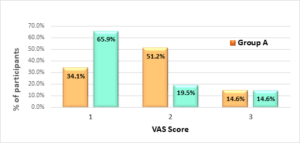
Figure 1: Comparison of two groups in terms of pain using the VAS score
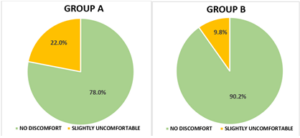
Figure 2: The ratio on discomfort
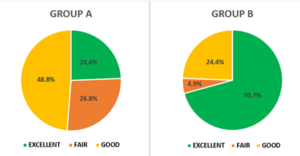
Figure 3: Physician satisfaction in Group A and Group B
Comparable demographic data existed between the two groups in terms of age, sex, height, weight and ASA PS. The mean procedure time in group A was 31.07 ± 4.41min, and in group B, it was 29.22 ± 4.37 min with a p-value of 0.059, hence comparable.
According to our methodology, patients in both groups, after the initial infusion of Fentanyl (1 mcg/kg) or Dexmedetomidine (1 mcg/kg), should receive propofol 1-2 mg/kg. However, the initial dose of propofol required in group B was significantly less compared to group A. Comparable to present study, Jasmitha et al have reported a lesser initial propofol induction dose in the propofol - Dexmedetomidine group when compared to the propofol – Fentanyl group.10
In the present study, additional bolus of propofol used was also statistically significantly less in group B, compared to group A. Additionally, it was observed that the initial and subsequent propofol requirements in both males and females were similar and comparable (p = 0.05). Similar to the present study, Srivatsava et al found that the total propofol dose used was less in the propofol-Dexmedetomidine group in their study.11
The lesser initial dose and rescue dose requirement of propofol in group B could be because of the hypnotic properties of Dexmedetomidine caused because of hyperpolarisation of locus coeruleus neurons (noradrenergic) as opposed to the agonistic property of propofol at the GABA receptors.
In the current study of group B, systolic blood pressure was statistically significantly less only at 15 min, compared to group A. The diastolic blood pressure at 5 min was statistically significantly less in group B when compared to group A.
In concordance with the current study, Nisar et al showed statistically significantly less SBP and DBP in the Dexmedetomidine-propofol group compared to Fentanyl-propofol group.12 Das et al reported significant hypertension (p-value - 0.012) in the Dexmedetomidine Fentanyl group compared to the Etomidate-Fentanyl group.
Hypertension occurred soon after bolus and wore off later.13 This could be due to the α1 adrenergic action causing peripheral vasoconstriction at higher doses or faster infusion rates.
In the present study, the difference between the mean heart rate of the two groups was statistically significant at 0 min and 5 min; however, it was not statistically significant at 3 min and 15 min. This could be due to the action of α2A adrenergic receptors in the heart and enhanced vagal activity. Dexmedetomidine immediately impacts α2A receptors, followed by a more delayed central effect that includes sedation, a reduction in sympathetic outflow, and circulating catecholamine levels. This can cause a fall in heart rate as well as blood pressure. Similar to the current study, Kaur M et al recorded a significant fall in heart rate in propofol-Dexmedetomidine (p < 0.05) after induction and throughout the procedure.14
A significant increase in heart rate, in propofol–Fentanyl group for the first 15 min and throughout the procedure in the propofol-Midazolam group was also found in the above study. Another study by Sethi et al comparing Dexmedetomidine and Midazolam reported that the Dexmedetomidine group had a lesser heart rate with a p-value of < 0.05.61. This could be because of the α2 agonistic property of Dexmedetomidine, and also due to the decreased analgesic property of Midazolam.15 The SPO2 on O2 of 2L/min via nasal prongs was clinically similar in both groups. In accordance with the current study, Zhao Y et al also found that SpO2 between the groups during the procedure were comparable (p > 0.05).16
The recovery time in group A was longer compared to group B with a statistically significant p-value of <0.001. The longer recovery time in group A would have been due to the higher additional propofol doses that group A received. Similar to this, Venn R M et al found that the mean recovery time was lesser in the propofol-Dexmedetomidine group as compared to the propofol-Fentanyl group.17 The pain was assessed using the VAS score after the procedure every 15 min till one hour post-procedure. The lower VAS score in the propofol-Dexmedetomidine group may be due to the sedative effect of Dexmedetomidine immediately after the procedure. It may also be the result of the anti-nociceptive effect of Dexmedetomidine due to the selective α2 action of the drug. None of the patients in both groups had VAS > 3. Abdalla et al reported that the intensity of pain showed statistically no significant difference in Ketamine- propofol and Although in our study, there was a statistically significant difference in VAS score for pain between the two groups, patient satisfaction was comparable between the two groups.
Whereas physician satisfaction in group B was more when compared to group A which was statistically significant. Elzohry et al reported that both physician and patient satisfaction was more in the Dexmedetomidine-propofol group when compared to the Ketamine-propofol group (p-value < 0.001). 18 Gertler R et al also found better surgeon satisfaction in the Dexmedetomidine-propofol group who underwent colonoscopy. 19
Strengths of the present study are adequate sample size, equal distribution of gender and age in both the groups. BIS monitoring ensured the quality of sedation and all-important aspect of sedation was considered. The total sedative drug requirement was decreased with the use of BIS in the study.
The most significant limitation of our study is its non-randomized design and use of convenience sampling. The allocation of patients to groups based on clinician preference introduces a substantial risk of selection bias, as patient factors or procedural complexity could have systematically influenced the choice of sedative regimen.
Also, the inability to blind the administering clinicians to the group assignment introduces a potential for performance bias. These factors limit the internal validity of our findings, and the observed advantages of dexmedetomidine should be interpreted with caution and require confirmation in a future randomized controlled trial. We used BIS to track the depth of anesthesia; we did not assess the chances for intra-procedure consciousness.
The effects of dexmedetomidine and fentanyl on BIS values were also not considered separately. History of alcohol consumption was not considered in the study, which can interfere with the amount of anesthetic medications used, resulting in perplexing disparities between the groups. Additionally, complications and pain were assessed only for one hour after the procedure in the PACU. However, longer postoperative assessments would have been required in patients with liver dysfunction because of the impaired drug metabolism of liver dysfunction.
Dexmedetomidine-propofol combination is associated with a faster onset of sedation, quicker recovery, lower propofol consumption, and greater physician satisfaction compared to the Fentanyl-propofol combination during BIS-guided ERCP sedation. These findings suggest potential advantages of using Dexmedetomidine as an adjuvant, but they require validation in a randomized controlled trial to account for potential selection and performance bias.
7. Data availability
The numerical data generated during this research are available from the authors.
8. Conflict of interest
All authors declare that there was no conflict of interest.
9. Funding
The study utilized the hospital resources only, and no external or industry funding was involved.
10. Authors’ contribution
All authors took equal part in the conduct of study.
Authors affiliations:
- Suruma Yousuf Kunju, Resident Doctor, Dept. of Anesthesiology, K S Hegde Medical Academy, Mangalore, Karnataka, India; Email: surumayousuf@gmail.com.
- Gayathri Bhat, Resident Doctor, Dept. of Anesthesiology, K S Hegde Medical Academy, Mangalore, Karnataka, India; Email: gaibhat@gmail.com.
- M Govindraj Bhat, Associate Professor, Dept. of Anesthesiology, K S Hegde Medical Academy, Mangalore, Karnataka, India; Email: dr.researcher66@gmail.com.
- Chandrashekar J. Sorake, Associate Professor, Dept. of Anesthesiology, K S Hegde Medical Academy, Mangalore, Karnataka, India; Email: cjsorake@gmail.com.
ABSTRACT
Background: Endoscopic Retrograde Cholangiopancreatography (ERCP) is a complex endoscopic procedure which is sometimes quite challenging. Appropriate sedation and analgesia guarantee adequate patient participation.
Aim: To compare and evaluate the combinations of propofol-fentanyl and propofol-dexmedetomidine for intravenous sedation during ERCP using Bispectral Index (BIS).
Methods: Eighty-two patients undergoing ERCP under IV sedation were studied in two groups. Group A received fentanyl 1 mcg/kg IV, while Group B received dexmedetomidine 1 mcg/kg over 10 minutes. Both groups received an initial propofol bolus (1-2 mg/kg) followed by infusion (1-5 mg/kg/h) targeting a BIS value < 60. Additional Propofol doses were administered for BIS > 70.
Result: The onset of sedation was significantly faster in Group B (1.96 ± 0.43 min vs. 2.33 ± 0.47 min; p < 0.001). The total propofol dose required was significantly lower in Group B (initial dose: 40 ± 5.48 mg vs. 52.20 ± 4.19 mg; P < 0.001; additional dose: 83.17 ± 17.53 mg vs. 118.05 ± 18.87 mg; P < 0.001). Recovery time was shorter in Group B (9.08 ± 1.50 min vs. 11.14 ± 1.50 min; P < 0.001). Patient satisfaction was comparable between groups, but physician satisfaction was significantly higher for Group B (P < 0.05).
Conclusion: In this study, the Dexmedetomidine-propofol combination was associated with faster onset and recovery, reduced propofol requirements, and higher physician satisfaction during ERCP compared to Fentanyl-propofol.
Keywords: Endoscopic Retrograde Cholangiopancreatography; ERCP; Bispectral Index; Dexmedetomidine; Fentanyl; Sedation; Physician Satisfaction
Citation: Kunju SG, Bhat G, Bhat MG, Sorake CJ. A BIS guided comparison of propofol-fentanyl and propofol-dexmedetomidine combinations for intravenous sedation in endoscopic retrograde cholangiopancreatography (ERCP). Anaesth. pain intensive care 2026;30(6):716-723. DOI: 10.35975/apic.v30i6.3266
Received: May 09, 2025; Revised: October 26, 2025; Accepted: January 01, 2025
1. INTRODUCTION
Endoscopic Retrograde Cholangiopancreatography (ERCP) is a complex endoscopic procedure used to diagnose and manage several biliary and pancreatic disorders.1 A contrast dye can be injected into the ducts to enable imaging and therapeutic intervention.2 Adequate sedation and analgesia during the procedure ensure better patient cooperation and success. Sedation methods for ERCP vary depending on patient needs, the complexity of the procedure, and institutional protocols. Intravenous (IV) sedation is commonly preferred over general anesthesia due to quicker recovery times, reduced invasiveness, and cost-effectiveness, making it suitable for outpatient settings.3
Propofol, a widely used IV sedative, is known for its rapid onset and recovery. However, it poses risks of respiratory and cardiovascular depression when used in higher doses, necessitating the use of adjuvants to balance sedation depth and safety.4
Fentanyl, a synthetic opioid, has been a conventional choice for its strong analgesic properties and relatively short duration of action. However, it lacks sedative synergy with propofol and may lead to higher propofol dose requirements to achieve adequate sedation. 5
Dexmedetomidine, a highly selective alpha-2 adrenergic agonist, has gained prominence as a sedative and analgesic agent. Unlike Fentanyl, Dexmedetomidine reduces the need for additional sedative agents and maintains hemodynamic stability, making it a compelling adjuvant to propofol.6 Additionally, its minimal respiratory depressant effects and anti-nociceptive properties suggest a potential advantage over Fentanyl in procedural sedation. Despite these theoretical benefits, studies comparing propofol-Dexmedetomidine and propofol-Fentanyl combinations in ERCP are limited.7
This comparative study aims to fill this gap by comparing the two drug combinations using Bispectral Index (BIS) monitoring, an advanced method of assessing sedation depth.8 BIS-guided sedation has been shown to optimize drug dosing and reduce complications, but its application in evaluating these specific drug combinations remains underexplored.9 By focusing on key parameters such as sedation onset, recovery time, hemodynamic stability, adverse events, and satisfaction levels, this research provides novel insights into the comparative efficacy of these regimens. The findings aim to inform clinical practices for achieving safer and more effective sedation during ERCP.
2. METHODS
This is a non-randomized comparative study conducted between June 2023 and November 2023 in patients undergoing ERCP under IV sedation. Approval from the Institutional Ethics Committee (INST.EC/EC 076 2021-22) and trial registration (CTRI/2023/06/054292) were obtained.
Participants who met the inclusion criteria (i.e., age: 18 to 65 years, ASA PS: I, II, and III, body weight: 40 to 70 kg) were included in the study. Any history suggestive of allergic reaction to propofol, Dexmedetomidine or Fentanyl, pregnancy or lactation, anticipated difficult airway, patients with chronic kidney disease, neurological deficit or psychiatric illness, evidence of hepatic encephalopathy or ascites, hyponatremia (<120 meq/l), hypo or hyperkalaemia ( <3 meq/l and >5.5 meq/l) and patients with comorbidities like uncontrolled hypertension, hypotension, arrhythmias, uncontrolled diabetes mellitus, congestive cardiac failure and low cardiac output conditions were excluded from the study.
The sample size was calculated based on a prior study by Jasmitha et al. (2022), which used n-Master software version 2 to compare recovery times for propofol-Dexmedetomidine and propofol-Fentanyl combinations during sedation for surgical procedures.10 To achieve 80% power at a 5% significance level (alpha = 0.05), the required sample size per group was calculated to be 41 patients, making a total of 82 patients. This calculation ensured that the study was adequately powered to detect a statistically significant difference in recovery times between the two groups.
An IV line was set up and maintained with 0.9% normal saline or ringer lactate on the day of the procedure. Thirty minutes before the surgery, Injection Ondansetron 0.15 mg/kg was given intravenously to all patients to prevent postoperative nausea and vomiting.
Standard anesthesia monitors, such as an ECG, pulse oximeter, and NIBP, were then connected to the patients once they had been taken to the surgery room. Every baseline parameter was noted. For the procedure,
patients were then placed in a semi-prone position. Each patient received additional oxygen at a rate of 2 L/min through nasal prongs. Additionally, 0.2 mg of Inj Glycopyrrolate was administered intravenously.
The convenience sampling method was used and the patients were divided into groups: A and B. Patients in group A received Fentanyl 1 mcg/kg intravenously over 10 min whereas Group B received Dexmedetomidine 1 mcg/ kg over 10 minutes at the beginning of the procedure. A loading dose of propofol 1-2 mg/kg was given to both groups before the procedure, after which an infusion at the rate of 1-5 mg/kg/h throughout the procedure was given, targeting a BIS of < 60. In either group, a bolus of 10–20 mg of propofol was given if the patient's BIS was greater than 70.
The duration between the administration of the loading dose of propofol and the achievement of a BIS value of 60 was recorded as the time taken for onset of sedation. Throughout the procedure, vitals and BIS were monitored. The heart rate (HR), oxygen saturation (SPO2), systolic blood pressure (SBP) and diastolic blood pressure (DBP) were recorded at 0 min, 3 min, 5 min and 15 min from the initial bolus dose of propofol. Oxygen desaturation or apnoea (SpO2 <94%) was managed by bag and mask ventilation, and hypotension (> 30% fall of MAP) was treated using IV fluid bolus or vasopressor (Injection Ephedrine). Injection Atropine was given if the heart rate went below 50 beats/min. A mean arterial pressure (MAP) and HR more than 30% from the initial baseline values were considered hypertension and tachycardia. Coughing, gagging, hiccups, nausea, and vomiting were also noted. The time from the endoscope insertion to its removal is taken as the procedure time.
The recovery of patients was recorded when patients were able to open their eyes on command, able to handle secretions, follow simple commands and were hemodynamically stable, attaining of BIS value > 90.
Recovery time was also recorded, which was from the time when the drug infusion was stopped till the BIS became more than 90. All patients' experiences related to the anesthesia and procedure were recorded, and the satisfaction level was noted. Postoperative recovery was recorded using Modified Aldrete score and pain using the Visual Analogue Scale (VAS), for the next one hour. Also, occurrence of post-operative nausea and vomiting (PONV) was noted.
Physician satisfaction was evaluated immediately after the procedure using a 4-point scale. Patient satisfaction was assessed one hour after the procedure using a 4-point scale. Both satisfaction assessments were conducted by an interviewer blinded to the drug combinations to prevent bias in data collection. Data were entered and computed using Microsoft Excel, version 16.79.1, © 2023 Microsoft Corporation. Descriptive statistics included percentages, means, and standard deviations, and were illustrated using graphs and charts. Comparison of the groups was done using the chi-square test, t-test, and repeated measures ANOVA with Bonferroni post hoc test. A p-value of ≤ 0.05 was considered statistically significant.
3. RESULTS
In the study, the eligibility of 89 patients was evaluated, out of which 82 patients were selected and divided into two groups. Groups A and B were comparable in terms of age, gender, weight, height, BMI and ASA PS (Table 1).
| Table 1: Demographic data of patients in Groups A and Group B. | |||
| Variable | Group A | Group B | p-value |
| Age (years) | 50.73 ± 7.328 | 51.95 ± 8.512 | 0.489 |
| Gender (Male) | 23 | 22 | 0.824 |
| (Female) | 18 | 19 | |
| Weight (kg) | 62.66 ± 10.83 | 62.61 ± 9.89 | 0.983 |
| Height (m) | 1.63 ± 0.09 | 1.64 ± 0.09 | 0.627 |
| BMI (kg/m2) | 23.60 ± 3.39 | 23.43 ± 3.57 | 0.831 |
| ASA PS (I/II/III) | 13/21/7 | 11/22/8 | 0.912 |
| P < 0.05 was considered significant | |||
Table 2 shows a comparison of the mean onset of sedation, initial and additional propofol doses, and recovery times between Group A and Group B. Recovery time was significantly shorter in Group B (9.08 ± 1.50 min) compared to Group A (11.14 ± 1.50 min; p < 0.001), likely due to the lower propofol dose requirement in Group B.
| Table 2: Comparison of the mean onset of sedation, initial and additional propofol doses, and recovery times between Group A and Group B. | |||
| Variable | Group A | Group B | P Value |
| Time taken for onset of sedation (min) | 2.33 ± 0.47 | 1.96 ± 0.43 | <0.001 |
| Initial propofol dose (mg) | 52.20 ± 4.19 | 40 ± 5.48 | <0.001 |
| Additional propofol dose (mg) | 83.17 ± 17.53 | 118.05 ± 18.87 | <0.001 |
| Recovery time (min) | 11.14 ± 1.50 | 9.08 ± 1.50 | <0.001 |
| P < 0.05 was considered significant | |||
Group B required a significantly lower initial dose of propofol (40 ± 5.48 mg) compared to Group A (52.20 ± 4.19 mg) (p < 0.001). Similarly, the additional propofol dose was lower in Group B (83.17 ± 17.53 mg)
The systolic blood pressure, diastolic blood pressure, heart rate and SpO2, were recorded at 0 min, 3 min, 5 min and 15 min from the initial bolus dose of propofol in both groups (Table 3).
| Table 3: Comparison of hemodynamic parameters in Group A and Group B at 0, 3, 5, 15 minutes interval. | |||
| Parameter | Group A | Group B | P-Value |
| Systolic blood pressure (mm Hg)
· 0min · 3min · 5min · 15min |
127.17 ± 9.07 137.71 ± 11.91 139.32 ± 13.35 121.93 ± 13.11 |
132.2 ± 11.91 139.37 ± 10.91 131.66 ± 10.70 114.88 ± 14.39 |
0.054 0.499 0.005 0.023 |
| Diastolic blood pressure (mm Hg)
· 0min · 3min · 5min · 15min |
66.34 ± 5.74 73.02 ± 8.11 72.88 ± 6.37 62.54 ± 7.48 |
71.56 ± 9.99 75.73 ± 9.97 68.88 ± 8.53 59.80 ± 8.45 |
0.052 0.181 0.018 0.125 |
| Heart rate (bpm)
· 0min · 3min · 5min · 15min |
66.54 ± 8.5 76.51 ± 10.61 72.88 ± 9.19 62.54 ± 7.47 |
79.37 ± 13.10 74.90 ± 9.31 70.78 ± 8.72 66.49 ± 8.20 |
0.001 0.468 0.001 0.547 |
| SpO2 (%)
· 0min · 3min · 5min · 15min |
99.49 ± 0.60 97.17 ± 0.74 96.12 ± 0.60 95.73 ± 1.05 |
99.27 ± 0.84 97.66 ± 1.09 96.39 ± 1.48 95.56 ± 1.38 |
0.175 0.020 0.286 0.003 |
| All hemodynamic parameters were measured at 0, 3, 5, 15 minutes. P < 0.05 were considered as significant | |||
The mean systolic blood pressure was lower in group B at 5 and 15 min compared to group A, and the difference was statistically significant. The difference in mean diastolic blood pressure at 0 min and 5 min were statistically significant between the two groups. At 3, 5 and 15 min, there was a clinically lesser heart rate in versus Group A (118.05 ± 18.87 mg; P < 0.0 group B when compared to group A.
Clinically not much significant difference was noted in SpO2 between the two groups. significant difference was noted in SpO2 between the two groups. Around 78% of patients in Group A and 90.2 % of patients in Group B opted for no discomfort as per the 4-point scale. Hence, as shown in Figure 2, the patient satisfaction was comparable between both groups, with P = 0.135. hysician satisfaction was higher in group B (70.7%) when compared to group A (24.4%); the difference was statistically significant with a chi-square t-test p-value of 0.001(Figure 3).
Figure 1: Comparison of two groups in terms of pain using the VAS score
Figure 2: The ratio on discomfort
Figure 3: Physician satisfaction in Group A and Group B
4. DISCUSSION
Comparable demographic data existed between the two groups in terms of age, sex, height, weight and ASA PS. The mean procedure time in group A was 31.07 ± 4.41min, and in group B, it was 29.22 ± 4.37 min with a p-value of 0.059, hence comparable.
According to our methodology, patients in both groups, after the initial infusion of Fentanyl (1 mcg/kg) or Dexmedetomidine (1 mcg/kg), should receive propofol 1-2 mg/kg. However, the initial dose of propofol required in group B was significantly less compared to group A. Comparable to present study, Jasmitha et al have reported a lesser initial propofol induction dose in the propofol - Dexmedetomidine group when compared to the propofol – Fentanyl group.10
In the present study, additional bolus of propofol used was also statistically significantly less in group B, compared to group A. Additionally, it was observed that the initial and subsequent propofol requirements in both males and females were similar and comparable (p = 0.05). Similar to the present study, Srivatsava et al found that the total propofol dose used was less in the propofol-Dexmedetomidine group in their study.11
The lesser initial dose and rescue dose requirement of propofol in group B could be because of the hypnotic properties of Dexmedetomidine caused because of hyperpolarisation of locus coeruleus neurons (noradrenergic) as opposed to the agonistic property of propofol at the GABA receptors.
In the current study of group B, systolic blood pressure was statistically significantly less only at 15 min, compared to group A. The diastolic blood pressure at 5 min was statistically significantly less in group B when compared to group A.
In concordance with the current study, Nisar et al showed statistically significantly less SBP and DBP in the Dexmedetomidine-propofol group compared to Fentanyl-propofol group.12 Das et al reported significant hypertension (p-value - 0.012) in the Dexmedetomidine Fentanyl group compared to the Etomidate-Fentanyl group.
Hypertension occurred soon after bolus and wore off later.13 This could be due to the α1 adrenergic action causing peripheral vasoconstriction at higher doses or faster infusion rates.
In the present study, the difference between the mean heart rate of the two groups was statistically significant at 0 min and 5 min; however, it was not statistically significant at 3 min and 15 min. This could be due to the action of α2A adrenergic receptors in the heart and enhanced vagal activity. Dexmedetomidine immediately impacts α2A receptors, followed by a more delayed central effect that includes sedation, a reduction in sympathetic outflow, and circulating catecholamine levels. This can cause a fall in heart rate as well as blood pressure. Similar to the current study, Kaur M et al recorded a significant fall in heart rate in propofol-Dexmedetomidine (p < 0.05) after induction and throughout the procedure.14
A significant increase in heart rate, in propofol–Fentanyl group for the first 15 min and throughout the procedure in the propofol-Midazolam group was also found in the above study. Another study by Sethi et al comparing Dexmedetomidine and Midazolam reported that the Dexmedetomidine group had a lesser heart rate with a p-value of < 0.05.61. This could be because of the α2 agonistic property of Dexmedetomidine, and also due to the decreased analgesic property of Midazolam.15 The SPO2 on O2 of 2L/min via nasal prongs was clinically similar in both groups. In accordance with the current study, Zhao Y et al also found that SpO2 between the groups during the procedure were comparable (p > 0.05).16
The recovery time in group A was longer compared to group B with a statistically significant p-value of <0.001. The longer recovery time in group A would have been due to the higher additional propofol doses that group A received. Similar to this, Venn R M et al found that the mean recovery time was lesser in the propofol-Dexmedetomidine group as compared to the propofol-Fentanyl group.17 The pain was assessed using the VAS score after the procedure every 15 min till one hour post-procedure. The lower VAS score in the propofol-Dexmedetomidine group may be due to the sedative effect of Dexmedetomidine immediately after the procedure. It may also be the result of the anti-nociceptive effect of Dexmedetomidine due to the selective α2 action of the drug. None of the patients in both groups had VAS > 3. Abdalla et al reported that the intensity of pain showed statistically no significant difference in Ketamine- propofol and Although in our study, there was a statistically significant difference in VAS score for pain between the two groups, patient satisfaction was comparable between the two groups.
Whereas physician satisfaction in group B was more when compared to group A which was statistically significant. Elzohry et al reported that both physician and patient satisfaction was more in the Dexmedetomidine-propofol group when compared to the Ketamine-propofol group (p-value < 0.001). 18 Gertler R et al also found better surgeon satisfaction in the Dexmedetomidine-propofol group who underwent colonoscopy. 19
Strengths of the present study are adequate sample size, equal distribution of gender and age in both the groups. BIS monitoring ensured the quality of sedation and all-important aspect of sedation was considered. The total sedative drug requirement was decreased with the use of BIS in the study.
5. LIMITATIONS
The most significant limitation of our study is its non-randomized design and use of convenience sampling. The allocation of patients to groups based on clinician preference introduces a substantial risk of selection bias, as patient factors or procedural complexity could have systematically influenced the choice of sedative regimen.
Also, the inability to blind the administering clinicians to the group assignment introduces a potential for performance bias. These factors limit the internal validity of our findings, and the observed advantages of dexmedetomidine should be interpreted with caution and require confirmation in a future randomized controlled trial. We used BIS to track the depth of anesthesia; we did not assess the chances for intra-procedure consciousness.
The effects of dexmedetomidine and fentanyl on BIS values were also not considered separately. History of alcohol consumption was not considered in the study, which can interfere with the amount of anesthetic medications used, resulting in perplexing disparities between the groups. Additionally, complications and pain were assessed only for one hour after the procedure in the PACU. However, longer postoperative assessments would have been required in patients with liver dysfunction because of the impaired drug metabolism of liver dysfunction.
6. CONCLUSION
Dexmedetomidine-propofol combination is associated with a faster onset of sedation, quicker recovery, lower propofol consumption, and greater physician satisfaction compared to the Fentanyl-propofol combination during BIS-guided ERCP sedation. These findings suggest potential advantages of using Dexmedetomidine as an adjuvant, but they require validation in a randomized controlled trial to account for potential selection and performance bias.
7. Data availability
The numerical data generated during this research are available from the authors.
8. Conflict of interest
All authors declare that there was no conflict of interest.
9. Funding
The study utilized the hospital resources only, and no external or industry funding was involved.
10. Authors’ contribution
All authors took equal part in the conduct of study.
11. REFERENCES
- Bahrami Gorji F, Amri P, Shokri J, Alereza H, Bijani A. Sedative and analgesic effects of Propofol-Fentanyl versus Propofol-Ketamine during endoscopic retrograde cholangiopancreatography: A double-blind randomized clinical trial. Anesth Pain Med. [PubMed] DOI: 5812/aapm.39835
- Tekeli AE, Oğuz AK, Tunçdemir YE, Almali N. Comparison of Dexmedetomidine-Propofol and Ketamine-Propofol administration during sedation-guided upper gastrointestinal system endoscopy. Medicine (Baltimore). 2020;99(49):e23317.
- Comer SD, Cahill CM. Fentanyl: receptor pharmacology, abuse potential, and implications for treatment. Neurosci Biobehav Rev. [PubMed]
DOI: 1097/MD.0000000000023317 - Naaz S, Ozair E. Dexmedetomidine in current anaesthesia practice-a review. J Clin Diagn Res. [PubMed] DOI: 7860/JCDR/2014/9624.4946
- Skolnik A, Gan T. Propofol and other sedatives as antiemetics. In: Postoperative nausea and vomiting: A practical guide. Cambridge: Cambridge University Press. [FullText]
- Jang SY, Park HG, Jung MK, Cho CM, Park SY, Jeon SW, et al. Bispectral Index monitoring as an adjunct to nurse-administered combined sedation during endoscopic retrograde cholangiopancreatography. World J Gastroenterol. [PubMed] DOI: 3748/wjg.v18.i43.6284
- Mathur S, Patel J, Goldstein S, Jain A. Bispectral Index. [PubMed] PMID: 30969631
- Eberl S, Preckel B, Bergman JJ, van Dieren S, Hollmann MW. Satisfaction and safety using Dexmedetomidine or Propofol sedation during endoscopic oesophageal procedures: A randomized controlled trial. Eur J Anaesthesiol. [PubMed] DOI:1097/EJA.0000000000000438
- Candiotti KA, Bergese SD, Bokesch PM, Feldman MA, Wisemandle W, Bekker AY. Monitored anesthesia care with Dexmedetomidine: A prospective, randomized, double-blind, multicenter trial. Anesth Analg. [PubMed] DOI: 1213/ane.0b013e3181ae0856
- Jasmitha K, Hemanth N, Samantaray A. A comparative study of Dexmedetomidine–Propofol and Fentanyl-Propofol on perioperative haemodynamics, Propofol requirement, and postoperative recovery profile in patients undergoing elective abdominal surgeries: A prospective randomized double-blind study. J Clin Sci. [FullText]
- Srivastava VK, Singh D, Agrawal S, Khan S, Gupta A, Miree RD. Comparative evaluation of Propofol-Fentanyl, Propofol-Midazolam, and Propofol-Dexmedetomidine on hemodynamic and postoperative recovery for endoscopic retrograde cholangiopancreatography. J Clin Diagn. [FullText]
- Nisar T, Zahoor SA, Khan T, Dar BA, Ali Z, Wani SQ, et al. Comparison of Dexmedetomidine-Propofol and Fentanyl-Propofol for Monitored Anesthesia Care (MAC): A prospective randomized study in lower GI endoscopies in pediatric age group. Pediatr Anesth Crit Care J. [FullText]
- Das A, Bhattacharya D, Roy S, Roy A, Mandal M. Bispectral Index (BIS)-guided comparison between clinical effects of Etomidate and Fentanyl versus Dexmedetomidine and Fentanyl for conscious sedation in ERCP procedure. J Evol Med Dent Sci. [FullText]
- Kaur M, Singh PM. Current role of Dexmedetomidine in clinical anaesthesia and intensive care. Anesth Essays. [PubMed] DOI: 4103/0259-1162.94750
- Sethi P, Mohammed S, Bhatia PK, Gupta N. Dexmedetomidine versus Midazolam for conscious sedation in endoscopic retrograde cholangiopancreatography: An open-label randomised controlled trial. Indian J Anaesth. [PubMed] DOI: 4103/0019-5049.126782
- Zhao Y, He J, Yu N, Jia C, Wang S. Mechanisms of Dexmedetomidine in neuropathic pain. Front Neurosci. [PubMed] DOI: 3389/fnins.2020.00330
- Venn RM, Bradshaw CJ, Spencer R, Brealey D, Caudwell E, Naughton C, et al. Preliminary UK experience of Dexmedetomidine, a novel agent for postoperative sedation in the intensive care unit. Anaesthesia. [PubMed] DOI: 1046/j.1365-2044.1999.01114.x
- Elzohry AA, Ali AA, Shehata MR. Dexmedetomidine versus Ketamine in Propofol-based sedation for outpatient colonoscopy: A comparative study. Integr Anesthesiol. [FullText]
- Gertler R, Brown HC, Mitchell DH, Silvius EN. Dexmedetomidine: a novel sedative-analgesic agent. Proc (Bayl Univ Med Cent). [PubMed] DOI: 1080/08998280.2001.11927725