Muhtada Ali Challoob 1 , Omar Khalid Suhail 2 , Mustafa Burhan Ali 3
Authors affiliations:
Background & objective: To the best of our knowledge, no previous studies have examined the valuation of oxidative stress levels in colorectal cancer patients with dehydropyrimidine dehydrogenase (DPD) deficiency who are receiving 5-fluorouracil chemotherapy. The aim of this study is to determine the oxidative stress index (OSI) in stage III colorectal cancer patients with DPD deficiency who are receiving 5-fluorouracil (5-FU) chemotherapy.
Methods: This study comprised 164 male patients with stage III colorectal cancer, all of whom got adjuvant treatment containing of a single cycle of 5-fluorouracil (5-FU). Participants were categorized according to their DPD levels into two groups: 82 males with DPD deficiency and 82 males without DPD deficiency. Multiple regression analyses were carried out to evaluate the OSI and its related elements after adjusting for potential confounders, and receiver operating characteristic (ROC) curve analysis was conduct to evaluate the diagnostic performance of OSI.
Results: The OSI was expressively higher in DPD-deficient patients in comparison with non-DPD-deficient patients (P < 0.001). OSI exhibited a significant negative correlation with DPD levels (r = –0.674, P < 0.001) and white blood cell (WBC) count (r = –0.570, P < 0.001). In multiple regression analysis, DPD level was independently related with OSI (P < 0.001). Additionally, receiver operating characteristic (ROC) curve analysis revealed excellent diagnostic performance of OSI, with an area under the curve (AUC) of 0.989 (95% CI: 0.979–0.999, P < 0.001).
Conclusions: A strong relationship was observed between DPD deficiency and severe systemic oxidative stress in colorectal cancer patients receiving 5-FU chemotherapy.
Keywords: Antioxidant; Colorectal cancer; 5-Fluorouracil; dihydropyrimidine dehydrogenase (DPD); oxidative stress index
Citation: Challoob MA, Suhail OK, Ali MB. Impact of dihydropyrimidine dehydrogenase deficiency on oxidative stress index induced by 5-fluorouracil therapy in patients with stage-III colorectal cancer patients. Anaesth. pain intensive care 2026;30(6):690-696. DOI: 10.35975/apic.v30i6.3263
Received: April 03, 2016; Revised: April 23, 2016; Accepted: April 27, 2016
Colorectal cancer remains one of the main global health burden and is among the leading causes of cancer-related mortality worldwide.1 For numerous decades, systemic chemotherapy for colorectal cancer has depend primarily on the fluoropyrimidine analog 5-fluorouracil (5-FU).2 Its antitumor activity is mainly attributed to the inhibition of thymidylate synthase, an important enzyme in DNA synthesis, thereby suppressing the proliferation of quickly dividing cancer cells.3 Nevertheless, despite its widespread clinical use, the therapeutic application of 5-FU is restricted by its narrow therapeutic index and considerable interindividual variability in treatment response and toxicity.4
A foremost determinant of this interindividual variability is the pharmacogenetic syndrome of dihydropyrimidine dehydrogenase (DPD) deficiency.5 DPD, encoded by the DPYD gene, is the early and rate-limiting enzyme responsible for the catabolism of 5-fluorouracil (5-FU), accounting for the degradation of more than 80% of the administered dose.6 Patients with partial or complete DPD deficiency display impaired 5-FU metabolism, resulting in prolonged systemic exposure to active metabolites and a substantially increased danger of severe, and potentially life-threatening, toxicities such as myelosuppression, mucositis, and neurotoxicity.7 These clinical consequences highlight the urgent need for dependable biomarkers to predict and monitor 5-FU–related adverse events, particularly in this high-risk population.
Emerging evidence highlights the essential role of oxidative stress in both the mechanism of action and the pathophysiology of toxicities related with several chemotherapeutic agents, including 5-fluorouracil (5-FU).7 Oxidative stress consequences from an imbalance between the generation of reactive oxygen species (ROS) and the capacity of cellular antioxidant defenses to neutralize these reactive intermediates.8 Administration of 5-FU has been presented to elevate ROS levels, causing cellular damage by the lipid peroxidation, protein oxidation, and DNA lesions.9 In the context of DPD deficiency, prolonged systemic exposure to 5-FU may amplify this oxidative burden, thereby contributing substantially to the severe toxicity profile observed in affected patients.10
To comprehensively assess the balance between pro-oxidant and antioxidant forces within a biological system, the concept of “oxidative stress” has been established.11 This state can be quantified utilizing a panel of biomarkers, including Total Oxidant Status (TOS), which reveals the overall oxidant burden, and Total Antioxidant Capacity (TAC), which represents the combined effectiveness of endogenous antioxidant defenses. The ratio of TOS to TAC, expressed as the Oxidative Stress Index (OSI), offers an integrated measure of oxidative state.12 Evidence from studies in many cancers suggests that these markers may be associated with disease severity and treatment response.13
So, this study is built upon the hypothesis that an exaggerated state of systemic oxidative stress constitutes an important mechanistic contributor to the severe toxicity observed in DPD-deficient colorectal cancer patients receiving 5-fluorouracil (5-FU) chemotherapy. We suggest that quantifying oxidative stress biomarkers, including Total Oxidant Status (TOS), Total Antioxidant Capacity (TAC), and the Oxidative Stress Index (OSI), could provide a new and clinically valuable means of identifying patients at high risk for severe adverse reactions. Understanding the interplay between a precise pharmacogenetic profile and the systemic oxidative response to chemotherapy may simplify the development of personalized therapeutic strategies, comprising the potential use of antioxidant co-therapy to mitigate toxicity and improve the therapeutic index of 5-FU in this genetically defined patient subgroup. This study seeks to address a serious gap in our understanding of 5-FU–induced toxicity and to inform innovative approaches for safer and more effective colorectal cancer treatment.
Considering this background, this study was carried out to investigate the influence of dihydropyrimidine dehydrogenase (DPD) on the oxidative stress index (OSI) in patients with stage III colorectal cancer undergoing 5-fluorouracil (5-FU) therapy.
An observational cross-sectional study was performed in Misan, Iraq, involving cancer patients receiving care at Misan Health Directorate—Misan Center for Tumor Treatment. An entire of 164 male patients from Iraq, who had previously undergone surgical intervention for stage III colorectal cancer, were enrolled. The study was performed between November 2023 and February 2025.
All patients comprised in the study were confirmed to have stage III colorectal cancer by a pathologist depending on tissue biopsy. Every patient underwent surgical resection of the malignant tumor, followed by the standard treatment protocol. Patients getting adjuvant therapy in the form of a single cycle of fluoropyrimidine-based chemotherapy (5-fluorouracil, 5-FU) were subsequently divided into two groups according to their DPD enzyme levels. The main group consist of 82 male patients, aged 41–71 years, with DPD deficiency, while the second group included 82 male patients, aged 40–68 years, without DPD deficiency. Especially, patients with DPD deficiency displayed more severe relapse and significantly lower white blood cell counts compared to patients without DPD deficiency.
The research objects were clearly explained to all participants, and data were collected by using a comprehensive questionnaire. Informed consent was gained from each participant prior to inclusion in the study. The study protocol was approved by the College of Medicine, Baghdad, Iraq (IRB approval number 2023/138B) and was carried out in consistent with the 1964 Helsinki Declaration and its later amendments, or with comparable ethical standards.
The study excluded individuals with other malignancies, including kidney, bladder, lung, prostate, pancreatic, stomach, liver, bone, brain cancers, melanoma, thyroid cancer, leukemia, and stage IV colorectal cancer. Patients with liver disease, active inflammatory conditions, Cushing’s disease, pancreatitis, acromegaly, renal failure, or a history of pancreatectomy were also excluded, as were those with chronic or acute inflammatory disorders.
2.3. Laboratory Analysis
Venous blood samples (5 mL) were collected from each participant using gel tubes containing a clot activator and permitted to clot at room temperature for approximately 4 minutes. Serum was detached by centrifugation at 5000 rpm for 10 minutes and subsequently isolated within one hour of collection. The serum was then directly conveyed to a separate tube and stored at –20°C until analysis. Hemolyzed samples were excluded, and prior to analysis, all samples were brought to room temperature. Participants were provided with detailed information regarding the study objectives, and data were collected using a comprehensive questionnaire. All procedures were performed in strict consistent with the ethical guidelines approved by the Ethics Committee of College of Medicine, University of Baghdad.
White blood cell (WBC) counts were determined using an automated hematology analyzer (GENEX device, GENEX Laboratories, New York, USA). Dihydropyrimidine dehydrogenase (DPD) concentration was measured by an enzyme-linked immunosorbent assay (ELISA) using a commercially available DPD ELISA kit (Shanghai, China) for in vitro diagnostic purposes. Serum levels of total antioxidant capacity (TAC) and total oxidant status (TOS) were counted by using commercially available ELISA kits in accordance with the manufacturer’s instructions (ZellBio GmbH, Veltlinerweg 42, 89072 Ulm, Germany). The oxidative stress index (OSI) was calculated as the ratio of TOS to TAC. Body mass index (BMI) was calculated in kg/m².
2.4. Statistical Analysis
The collected data were analyzed by using the statistical software package (IBM SPSS Statistics, version 27; IBM Corp., Armonk, NY, USA). The Kolmogorov–Smirnov and Shapiro–Wilk tests had carried out to evaluate the normality of the variables. Typically distributed data are presented as mean ± standard deviation (SD), while non-normally distributed data are indicated as median and interquartile range (IQR). Comparisons between groups had carried of by using the independent samples t-test for normally distributed continuous variables and the Mann–Whitney U test for non- normally distributed variables. Sensitivity and specificity had been calculated, and the optimal cut-off value was determined using receiver operating characteristic (ROC) curve analysis. Statistical significance, which reveals the degree of confidence in the study outcomes, was defined as a P-value ≤ 0.05. Correlations were assessed via Pearson’s or Spearman’s correlation analysis, as appropriate. The outcomes of linear regression analysis are presented as correlation coefficients (r) or regression coefficients, along with corresponding P-values and 95% confidence intervals (CI).
The study population included 164 male patients, equally divided into a DPD-deficient group (n = 82; age range: 41–71 years) and a non-DPD-deficient group (n = 82; age range: 40–66 years).
3.1. Demographics / Laboratory Data
The Mann–Whitney U test and independent samples t-test had utilized to assess differences in age, BMI, WBC count, and DPD levels between DPD-deficient and non-DPD-deficient patients. BMI, WBC count, DPD, and TAS levels were significantly lower in DPD-deficient patients compared with non-DPD-deficient patients (P < 0.05). On the other hand, TOS and OSI levels were significantly higher in DPD-deficient patients than in non-DPD-deficient patients (P < 0.05), as shown in Table 1.
3.2. Correlation Analysis
Pearson’s correlation analysis has conducted to assess the associations between OSI and both DPD and WBC levels among the patients. A highly significant negative correlation was observed between OSI and DPD, as well as between OSI and WBC (P < 0.001), as shown in Table 2 and Figure 1.
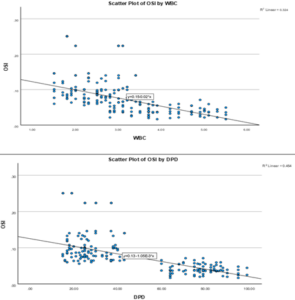
Figure 1: Correlation analysis between OSI with DPD and WBC. Inverse correlation between OSI with DPD and WBC
3.3. Regression Analysis of OSI
Multiple linear regression analysis, adjusted for potential confounders, exhibited significant relations between OSI and DPD concentration (P < 0.001), as well as WBC count (P = 0.045), as shown in Table 3.
3.4. Receiver Operating Characteristic (ROC) curve analysis for OSI
Receiver operating characteristic (ROC) curve analysis for OSI (Table 4) revealed an area under the curve (AUC) of 0.989 (95% confidence interval [CI]: 0.979–0.999), referring excellent diagnostic accuracy in distinguishing DPD-deficient from non-DPD-deficient patients. This excellent performance suggests that OSI is a highly reliable biomarker for oxidative stress severity and supports its clinical utility in identifying patients at risk of severe toxicity. The optimal cut-off value for OSI was 0.485, which delivered the best balance between sensitivity (95%) and specificity (90.2%) in the present analysis.
Clinically, OSI values above 0.485 may strongly indicate severe toxicity related with DPD deficiency. The outcomes were statistically significant (P < .0.001), as shown in Table 4 and Figure 2.
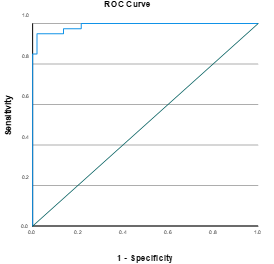
Figure 2: Receiver Operating Characteristic (ROC) curve analysis for OSI; an area under the curve of 0.989 (95% confidence interval: 0.979-0.999), p-value of <0.001
This study presents strong proof about relating of dihydropyrimidine dehydrogenase (DPD) deficiency with pronounced oxidative stress and subsequent organ toxicity in Iraqi male patients with colorectal cancer receiving 5-fluorouracil (5-FU)–based chemotherapy. The vital outcome is a significant, independent inverse relationship between DPD levels and the Oxidative Stress Index (OSI), suggesting that reduced DPD concentrations predict a heightened state of systemic oxidative stress.
Dihydropyrimidine dehydrogenase (DPD) is responsible for metabolizing more than 80% of administered 5-fluorouracil (5-FU). Lack of this enzyme results in the accumulation of 5-FU, mainly in the liver, thereby prolonging its cytotoxic activity and markedly increasing the danger of severe toxicity.14,15 Our results are automatically consistent with this established role, suggesting that the buildup of unmetabolized 5-FU promotes excessive generation of reactive oxygen species (ROS). This is evidenced by the significantly elevated Total Oxidant Status (TOS) and the concomitant reduction in Total Antioxidant Status (TAS) observed in the DPD-deficient group. Furthermore, 5-FU has been shown to deplete main intracellular antioxidants. Previous studies in colorectal cancer patients have confirmed that 5-FU–based chemotherapy reduces levels of reduced glutathione and the antioxidant enzyme glutathione peroxidase, in addition to lowering concentrations of vitamin E and β-carotene. The weakening of this antioxidant defense system further enlarges the harmful effects of increased ROS production.16–18 Collectively, these outcomes support the well-recognized concept that chemotherapy-induced oxidative stress can result in extensive cellular damage.19
Moreover, the significant inverse association between the Oxidative Stress Index (OSI) and white blood cell (WBC) counts supports the well-established myelosuppressive effects of 5-FU toxicity.20 These outcomes propose that the same oxidative stress–mediated mechanism responsible for hepatic and renal injury may also impair hematopoietic stem cells within the bone marrow, ultimately resulting in leukopenia.21,22 This clarification is concordant with present evidence indicating that chemotherapy-induced reactive oxygen species (ROS) can activate apoptotic pathways in rapidly proliferating cells, including immune cell precursors.23,24
The most important clinical implication of this study emerges from the Receiver Operating Characteristic (ROC) curve analysis. The Oxidative Stress Index (OSI) shown outstanding diagnostic performance (AUC = 0.989) in detecting DPD deficiency. The proposed cut-off value of 0.485 for OSI, yielding 95% sensitivity and 90.2% specificity, represents a robust and clinically meaningful threshold. Furthermore, multiple linear regression analysis reaffirmed the important connection between OSI and DPD concentration, even after controlling for potential confounding variables. These outcomes refer that OSI may serve as a dependable, non-invasive biomarker for predicting severe 5-FU–related toxicity. Monitoring OSI following treatment could facilitate early identification of high-risk patients, enabling timely dose modifications or consideration of substitute therapeutic strategies. Such an approach would support individualized chemotherapy and reduce the likelihood of life-threatening adverse effects.
This study possesses numerous notable strengths, including its concentration on a well-defined patient population and the comprehensive statistical analyses that link enzymatic deficiency, systemic oxidative stress, and end-organ toxicity. However, certain limitations must be acknowledged. The cross-sectional design allows for the identification of strong associations but does not permit definitive conclusions regarding causality. Furthermore, the study was carried out at a single center and included only male participants, which may limit the broader generalizability of the outcomes.
In conclusion, this study exhibits that DPD deficiency in colorectal cancer patients receiving 5-FU therapy is strongly related with pronounced systemic oxidative stress. This raised oxidative burden is, in turn, closely linked to clinically significant myelosuppression. The most significant contribution of this work is the validation of the Oxidative Stress Index (OSI) as a highly accurate predictive biomarker for identifying patients at risk of severe toxicity related to DPD deficiency. Incorporating OSI assessment into clinical practice could represent a substantial advancement in the management of 5-FU therapy, supporting a more individualized treatment strategy that proactively detects vulnerable patients and lessens the risk of serious, potentially life-threatening chemotherapy-related complications. Further prospective investigations are needed to confirm these outcomes and to facilitate the integration of OSI measurement into routine clinical protocols. Accordingly, OSI assessment may be incorporated within established guidelines to help predict and monitor severe complications associated with DPD deficiency during 5-FU treatment.
6. Ethical statement
Consent has been obtained from each patient after a full explanation of the purpose and nature of all procedures. The protocol and the process of the study were approved by the College of Medicine, Baghdad, Iraq (2023/136A). The entire study was conducted in accordance with the Code of Ethics of the World Medical Association (Declaration of Helsinki) for experiments involving humans.
7. Funding
The authors declare no funding.
8. Conflict of interest
The authors declare that they have no competing interests.
9. Data availability
The numerical data generated during this study are available with the authors.
10. Authors contribution
The all authors in participated this study .
Authors affiliations:
- Muhtada Ali Challoob, MD, MSc. Lecturer in College of Pharmacy, University of Misan, Maysan, Iraq. ORCID: 0009-0007-2869-2159; Email: muhtada.ali@uomisan.edu.iq
- Omar Khalid Suhail, Department of Applied Pathological Analysis, College of Science, Al-Nahrain University, Baghdad, Iraq. Email: omar.khalid@nahrainuniv.edu.iq
- Mustafa Burhan Ali, Department of Medical Chemistry, College of Medicine, Al-Mustansiriyah University, Baghdad, Iraq. Email: dr.mustafa.al_burhan@uomustansiriyah.edu.iq
ABSTRACT
Background & objective: To the best of our knowledge, no previous studies have examined the valuation of oxidative stress levels in colorectal cancer patients with dehydropyrimidine dehydrogenase (DPD) deficiency who are receiving 5-fluorouracil chemotherapy. The aim of this study is to determine the oxidative stress index (OSI) in stage III colorectal cancer patients with DPD deficiency who are receiving 5-fluorouracil (5-FU) chemotherapy.
Methods: This study comprised 164 male patients with stage III colorectal cancer, all of whom got adjuvant treatment containing of a single cycle of 5-fluorouracil (5-FU). Participants were categorized according to their DPD levels into two groups: 82 males with DPD deficiency and 82 males without DPD deficiency. Multiple regression analyses were carried out to evaluate the OSI and its related elements after adjusting for potential confounders, and receiver operating characteristic (ROC) curve analysis was conduct to evaluate the diagnostic performance of OSI.
Results: The OSI was expressively higher in DPD-deficient patients in comparison with non-DPD-deficient patients (P < 0.001). OSI exhibited a significant negative correlation with DPD levels (r = –0.674, P < 0.001) and white blood cell (WBC) count (r = –0.570, P < 0.001). In multiple regression analysis, DPD level was independently related with OSI (P < 0.001). Additionally, receiver operating characteristic (ROC) curve analysis revealed excellent diagnostic performance of OSI, with an area under the curve (AUC) of 0.989 (95% CI: 0.979–0.999, P < 0.001).
Conclusions: A strong relationship was observed between DPD deficiency and severe systemic oxidative stress in colorectal cancer patients receiving 5-FU chemotherapy.
Keywords: Antioxidant; Colorectal cancer; 5-Fluorouracil; dihydropyrimidine dehydrogenase (DPD); oxidative stress index
Citation: Challoob MA, Suhail OK, Ali MB. Impact of dihydropyrimidine dehydrogenase deficiency on oxidative stress index induced by 5-fluorouracil therapy in patients with stage-III colorectal cancer patients. Anaesth. pain intensive care 2026;30(6):690-696. DOI: 10.35975/apic.v30i6.3263
Received: April 03, 2016; Revised: April 23, 2016; Accepted: April 27, 2016
1. INTRODUCTION
Colorectal cancer remains one of the main global health burden and is among the leading causes of cancer-related mortality worldwide.1 For numerous decades, systemic chemotherapy for colorectal cancer has depend primarily on the fluoropyrimidine analog 5-fluorouracil (5-FU).2 Its antitumor activity is mainly attributed to the inhibition of thymidylate synthase, an important enzyme in DNA synthesis, thereby suppressing the proliferation of quickly dividing cancer cells.3 Nevertheless, despite its widespread clinical use, the therapeutic application of 5-FU is restricted by its narrow therapeutic index and considerable interindividual variability in treatment response and toxicity.4
A foremost determinant of this interindividual variability is the pharmacogenetic syndrome of dihydropyrimidine dehydrogenase (DPD) deficiency.5 DPD, encoded by the DPYD gene, is the early and rate-limiting enzyme responsible for the catabolism of 5-fluorouracil (5-FU), accounting for the degradation of more than 80% of the administered dose.6 Patients with partial or complete DPD deficiency display impaired 5-FU metabolism, resulting in prolonged systemic exposure to active metabolites and a substantially increased danger of severe, and potentially life-threatening, toxicities such as myelosuppression, mucositis, and neurotoxicity.7 These clinical consequences highlight the urgent need for dependable biomarkers to predict and monitor 5-FU–related adverse events, particularly in this high-risk population.
Emerging evidence highlights the essential role of oxidative stress in both the mechanism of action and the pathophysiology of toxicities related with several chemotherapeutic agents, including 5-fluorouracil (5-FU).7 Oxidative stress consequences from an imbalance between the generation of reactive oxygen species (ROS) and the capacity of cellular antioxidant defenses to neutralize these reactive intermediates.8 Administration of 5-FU has been presented to elevate ROS levels, causing cellular damage by the lipid peroxidation, protein oxidation, and DNA lesions.9 In the context of DPD deficiency, prolonged systemic exposure to 5-FU may amplify this oxidative burden, thereby contributing substantially to the severe toxicity profile observed in affected patients.10
To comprehensively assess the balance between pro-oxidant and antioxidant forces within a biological system, the concept of “oxidative stress” has been established.11 This state can be quantified utilizing a panel of biomarkers, including Total Oxidant Status (TOS), which reveals the overall oxidant burden, and Total Antioxidant Capacity (TAC), which represents the combined effectiveness of endogenous antioxidant defenses. The ratio of TOS to TAC, expressed as the Oxidative Stress Index (OSI), offers an integrated measure of oxidative state.12 Evidence from studies in many cancers suggests that these markers may be associated with disease severity and treatment response.13
So, this study is built upon the hypothesis that an exaggerated state of systemic oxidative stress constitutes an important mechanistic contributor to the severe toxicity observed in DPD-deficient colorectal cancer patients receiving 5-fluorouracil (5-FU) chemotherapy. We suggest that quantifying oxidative stress biomarkers, including Total Oxidant Status (TOS), Total Antioxidant Capacity (TAC), and the Oxidative Stress Index (OSI), could provide a new and clinically valuable means of identifying patients at high risk for severe adverse reactions. Understanding the interplay between a precise pharmacogenetic profile and the systemic oxidative response to chemotherapy may simplify the development of personalized therapeutic strategies, comprising the potential use of antioxidant co-therapy to mitigate toxicity and improve the therapeutic index of 5-FU in this genetically defined patient subgroup. This study seeks to address a serious gap in our understanding of 5-FU–induced toxicity and to inform innovative approaches for safer and more effective colorectal cancer treatment.
Considering this background, this study was carried out to investigate the influence of dihydropyrimidine dehydrogenase (DPD) on the oxidative stress index (OSI) in patients with stage III colorectal cancer undergoing 5-fluorouracil (5-FU) therapy.
2. METHODOLOGY
An observational cross-sectional study was performed in Misan, Iraq, involving cancer patients receiving care at Misan Health Directorate—Misan Center for Tumor Treatment. An entire of 164 male patients from Iraq, who had previously undergone surgical intervention for stage III colorectal cancer, were enrolled. The study was performed between November 2023 and February 2025.
All patients comprised in the study were confirmed to have stage III colorectal cancer by a pathologist depending on tissue biopsy. Every patient underwent surgical resection of the malignant tumor, followed by the standard treatment protocol. Patients getting adjuvant therapy in the form of a single cycle of fluoropyrimidine-based chemotherapy (5-fluorouracil, 5-FU) were subsequently divided into two groups according to their DPD enzyme levels. The main group consist of 82 male patients, aged 41–71 years, with DPD deficiency, while the second group included 82 male patients, aged 40–68 years, without DPD deficiency. Especially, patients with DPD deficiency displayed more severe relapse and significantly lower white blood cell counts compared to patients without DPD deficiency.
The research objects were clearly explained to all participants, and data were collected by using a comprehensive questionnaire. Informed consent was gained from each participant prior to inclusion in the study. The study protocol was approved by the College of Medicine, Baghdad, Iraq (IRB approval number 2023/138B) and was carried out in consistent with the 1964 Helsinki Declaration and its later amendments, or with comparable ethical standards.
The study excluded individuals with other malignancies, including kidney, bladder, lung, prostate, pancreatic, stomach, liver, bone, brain cancers, melanoma, thyroid cancer, leukemia, and stage IV colorectal cancer. Patients with liver disease, active inflammatory conditions, Cushing’s disease, pancreatitis, acromegaly, renal failure, or a history of pancreatectomy were also excluded, as were those with chronic or acute inflammatory disorders.
2.3. Laboratory Analysis
Venous blood samples (5 mL) were collected from each participant using gel tubes containing a clot activator and permitted to clot at room temperature for approximately 4 minutes. Serum was detached by centrifugation at 5000 rpm for 10 minutes and subsequently isolated within one hour of collection. The serum was then directly conveyed to a separate tube and stored at –20°C until analysis. Hemolyzed samples were excluded, and prior to analysis, all samples were brought to room temperature. Participants were provided with detailed information regarding the study objectives, and data were collected using a comprehensive questionnaire. All procedures were performed in strict consistent with the ethical guidelines approved by the Ethics Committee of College of Medicine, University of Baghdad.
White blood cell (WBC) counts were determined using an automated hematology analyzer (GENEX device, GENEX Laboratories, New York, USA). Dihydropyrimidine dehydrogenase (DPD) concentration was measured by an enzyme-linked immunosorbent assay (ELISA) using a commercially available DPD ELISA kit (Shanghai, China) for in vitro diagnostic purposes. Serum levels of total antioxidant capacity (TAC) and total oxidant status (TOS) were counted by using commercially available ELISA kits in accordance with the manufacturer’s instructions (ZellBio GmbH, Veltlinerweg 42, 89072 Ulm, Germany). The oxidative stress index (OSI) was calculated as the ratio of TOS to TAC. Body mass index (BMI) was calculated in kg/m².
2.4. Statistical Analysis
The collected data were analyzed by using the statistical software package (IBM SPSS Statistics, version 27; IBM Corp., Armonk, NY, USA). The Kolmogorov–Smirnov and Shapiro–Wilk tests had carried out to evaluate the normality of the variables. Typically distributed data are presented as mean ± standard deviation (SD), while non-normally distributed data are indicated as median and interquartile range (IQR). Comparisons between groups had carried of by using the independent samples t-test for normally distributed continuous variables and the Mann–Whitney U test for non- normally distributed variables. Sensitivity and specificity had been calculated, and the optimal cut-off value was determined using receiver operating characteristic (ROC) curve analysis. Statistical significance, which reveals the degree of confidence in the study outcomes, was defined as a P-value ≤ 0.05. Correlations were assessed via Pearson’s or Spearman’s correlation analysis, as appropriate. The outcomes of linear regression analysis are presented as correlation coefficients (r) or regression coefficients, along with corresponding P-values and 95% confidence intervals (CI).
3. RESULTS
The study population included 164 male patients, equally divided into a DPD-deficient group (n = 82; age range: 41–71 years) and a non-DPD-deficient group (n = 82; age range: 40–66 years).
3.1. Demographics / Laboratory Data
The Mann–Whitney U test and independent samples t-test had utilized to assess differences in age, BMI, WBC count, and DPD levels between DPD-deficient and non-DPD-deficient patients. BMI, WBC count, DPD, and TAS levels were significantly lower in DPD-deficient patients compared with non-DPD-deficient patients (P < 0.05). On the other hand, TOS and OSI levels were significantly higher in DPD-deficient patients than in non-DPD-deficient patients (P < 0.05), as shown in Table 1.
| Table 1: Demographics and laboratory characteristics data; the differences in median (IQR) between the DPD-deficient and non-DPD deficient patients | |||
| Varibles | DPD-deficient patients (N=82) | Non-DPD deficient patients (N=82) | P-Vaue |
| Age (years) | 52 (10.5) | 55 (10) | .254 |
| BMI (kg/m2) | 21.1 (4.2) | 19.4 (3.35) | 0.002 |
| WBC (x 109/l) | 2.5 (.8) | 3.85 (1.5) | 0.000 |
| DPD (ng/ml) | 25 (14) | 79 (14.75) | 0.000 |
| TOS (µmol/l) | 3.67 ± 0.37 | 1.97 ± 0.57 | 0.000 |
| TAS (µmol/l) | 41.02 ± 11.1 | 49.35 ± 5.15 | <0.001 |
| OSI | 0.98 ± 0.38 | 0.4 ± 0.12 | 0.000 |
| P < 0.05, statistically significant; N= number; IQR, interquartile range; SD, standard deviation; DPD: dihydropyrimidine dehydrogenase; WBC: white blood cell; BMI: body mass index; OSI: oxidative stress index; TOS: total oxidant status; TAS: total antioxidant capacity | |||
3.2. Correlation Analysis
Pearson’s correlation analysis has conducted to assess the associations between OSI and both DPD and WBC levels among the patients. A highly significant negative correlation was observed between OSI and DPD, as well as between OSI and WBC (P < 0.001), as shown in Table 2 and Figure 1.
| Table 2: Variable correlation analysis between OSI with factors | ||
| Variables Correlation | Correlation coefficient | P value |
| OSI and DPD | - 0.674 | <0.001 |
| OSI and WBC | - 0.57 | <0.001 |
| P < 0.05 is statistically significant | ||
Figure 1: Correlation analysis between OSI with DPD and WBC. Inverse correlation between OSI with DPD and WBC
3.3. Regression Analysis of OSI
Multiple linear regression analysis, adjusted for potential confounders, exhibited significant relations between OSI and DPD concentration (P < 0.001), as well as WBC count (P = 0.045), as shown in Table 3.
| Table 3: Multiple linear regression analysis between OSI as dependent variable with factors as independent variable. | ||||
| Multiple linear regression | ||||
| Variables independent | Coefficients | P value | 95% CI | |
| Lower | Upper | |||
| DPD | -.007 | <.001 | -.009 | -.005 |
| WBC | -.044 | .045 | -.088 | -.001 |
| Age | .002 | .473 | -.003 | .006 |
| Constant | .904 | <.001 | .675 | 1.133 |
| Multiple linear regression via an entry technique; adjusted R2: 0.577; the p-value is considered statistically significant when it is less than 0.05; CI: confidence interval; OSI: dependent variable. | ||||
3.4. Receiver Operating Characteristic (ROC) curve analysis for OSI
Receiver operating characteristic (ROC) curve analysis for OSI (Table 4) revealed an area under the curve (AUC) of 0.989 (95% confidence interval [CI]: 0.979–0.999), referring excellent diagnostic accuracy in distinguishing DPD-deficient from non-DPD-deficient patients. This excellent performance suggests that OSI is a highly reliable biomarker for oxidative stress severity and supports its clinical utility in identifying patients at risk of severe toxicity. The optimal cut-off value for OSI was 0.485, which delivered the best balance between sensitivity (95%) and specificity (90.2%) in the present analysis.
Clinically, OSI values above 0.485 may strongly indicate severe toxicity related with DPD deficiency. The outcomes were statistically significant (P < .0.001), as shown in Table 4 and Figure 2.
| Table 4: Receiver Operating Characteristic (ROC) curve analysi | ||
| Variables | OSI | P-value |
| AUC value | 0.989 | |
| P value | <0.001 | |
| Cut-off | 0.485 | <0.001 |
| Asymptotic 95% CI | Lower | 0.979 |
| Upper | 0.999 | |
| Sensitivity % | 95 | |
| Specificity% | 90.2 | |
| Test Quality | Excellent | |
| AUC: area under the curve; CI: confidence interval; P-value <0.05 is statistically significant. | ||
Figure 2: Receiver Operating Characteristic (ROC) curve analysis for OSI; an area under the curve of 0.989 (95% confidence interval: 0.979-0.999), p-value of <0.001
4. DISCUSSION
This study presents strong proof about relating of dihydropyrimidine dehydrogenase (DPD) deficiency with pronounced oxidative stress and subsequent organ toxicity in Iraqi male patients with colorectal cancer receiving 5-fluorouracil (5-FU)–based chemotherapy. The vital outcome is a significant, independent inverse relationship between DPD levels and the Oxidative Stress Index (OSI), suggesting that reduced DPD concentrations predict a heightened state of systemic oxidative stress.
Dihydropyrimidine dehydrogenase (DPD) is responsible for metabolizing more than 80% of administered 5-fluorouracil (5-FU). Lack of this enzyme results in the accumulation of 5-FU, mainly in the liver, thereby prolonging its cytotoxic activity and markedly increasing the danger of severe toxicity.14,15 Our results are automatically consistent with this established role, suggesting that the buildup of unmetabolized 5-FU promotes excessive generation of reactive oxygen species (ROS). This is evidenced by the significantly elevated Total Oxidant Status (TOS) and the concomitant reduction in Total Antioxidant Status (TAS) observed in the DPD-deficient group. Furthermore, 5-FU has been shown to deplete main intracellular antioxidants. Previous studies in colorectal cancer patients have confirmed that 5-FU–based chemotherapy reduces levels of reduced glutathione and the antioxidant enzyme glutathione peroxidase, in addition to lowering concentrations of vitamin E and β-carotene. The weakening of this antioxidant defense system further enlarges the harmful effects of increased ROS production.16–18 Collectively, these outcomes support the well-recognized concept that chemotherapy-induced oxidative stress can result in extensive cellular damage.19
Moreover, the significant inverse association between the Oxidative Stress Index (OSI) and white blood cell (WBC) counts supports the well-established myelosuppressive effects of 5-FU toxicity.20 These outcomes propose that the same oxidative stress–mediated mechanism responsible for hepatic and renal injury may also impair hematopoietic stem cells within the bone marrow, ultimately resulting in leukopenia.21,22 This clarification is concordant with present evidence indicating that chemotherapy-induced reactive oxygen species (ROS) can activate apoptotic pathways in rapidly proliferating cells, including immune cell precursors.23,24
The most important clinical implication of this study emerges from the Receiver Operating Characteristic (ROC) curve analysis. The Oxidative Stress Index (OSI) shown outstanding diagnostic performance (AUC = 0.989) in detecting DPD deficiency. The proposed cut-off value of 0.485 for OSI, yielding 95% sensitivity and 90.2% specificity, represents a robust and clinically meaningful threshold. Furthermore, multiple linear regression analysis reaffirmed the important connection between OSI and DPD concentration, even after controlling for potential confounding variables. These outcomes refer that OSI may serve as a dependable, non-invasive biomarker for predicting severe 5-FU–related toxicity. Monitoring OSI following treatment could facilitate early identification of high-risk patients, enabling timely dose modifications or consideration of substitute therapeutic strategies. Such an approach would support individualized chemotherapy and reduce the likelihood of life-threatening adverse effects.
This study possesses numerous notable strengths, including its concentration on a well-defined patient population and the comprehensive statistical analyses that link enzymatic deficiency, systemic oxidative stress, and end-organ toxicity. However, certain limitations must be acknowledged. The cross-sectional design allows for the identification of strong associations but does not permit definitive conclusions regarding causality. Furthermore, the study was carried out at a single center and included only male participants, which may limit the broader generalizability of the outcomes.
5. CONCLUSIONS
In conclusion, this study exhibits that DPD deficiency in colorectal cancer patients receiving 5-FU therapy is strongly related with pronounced systemic oxidative stress. This raised oxidative burden is, in turn, closely linked to clinically significant myelosuppression. The most significant contribution of this work is the validation of the Oxidative Stress Index (OSI) as a highly accurate predictive biomarker for identifying patients at risk of severe toxicity related to DPD deficiency. Incorporating OSI assessment into clinical practice could represent a substantial advancement in the management of 5-FU therapy, supporting a more individualized treatment strategy that proactively detects vulnerable patients and lessens the risk of serious, potentially life-threatening chemotherapy-related complications. Further prospective investigations are needed to confirm these outcomes and to facilitate the integration of OSI measurement into routine clinical protocols. Accordingly, OSI assessment may be incorporated within established guidelines to help predict and monitor severe complications associated with DPD deficiency during 5-FU treatment.
6. Ethical statement
Consent has been obtained from each patient after a full explanation of the purpose and nature of all procedures. The protocol and the process of the study were approved by the College of Medicine, Baghdad, Iraq (2023/136A). The entire study was conducted in accordance with the Code of Ethics of the World Medical Association (Declaration of Helsinki) for experiments involving humans.
7. Funding
The authors declare no funding.
8. Conflict of interest
The authors declare that they have no competing interests.
9. Data availability
The numerical data generated during this study are available with the authors.
10. Authors contribution
The all authors in participated this study .
11. REFERENCES
- Hossain MS, Karuniawati H, Jairoun AA, Urbi Z, Ooi J, John A, et al. Colorectal cancer: a review of carcinogenesis, global epidemiology, current challenges, risk factors, preventive and treatment strategies. Cancers (Basel). 2022;14(7):1732. PMCID: PMC8996939 DOI: 3390/cancers14071732
- Alzahrani SM, Al Doghaither HA, Al-Ghafari AB, Pushparaj PN. 5‑Fluorouracil and capecitabine therapies for the treatment of colorectal cancer (Review). Oncol Rep. 2023;50(4):175. PMID: 37594133 DOI: 3892/or.2023.8612
- Gmeiner WH, Okechukwu CC. Review of 5-FU resistance mechanisms in colorectal cancer: clinical significance of attenuated on-target effects. Cancer Drug Resist. 2023;6(2):257-272. PMCID: PMC10344727 DOI: 20517/cdr.2022.136
- outlooks on therapeutic drug monitoring of fluorouracil. Expert Opin Drug Metab Toxicol. 2021;17(12):1407-1422. PMID: 35029518 DOI: 1080/17425255.2021.2029403
- De Luca O, Salerno G, De Bernardini D, Torre MS, Simmaco M, Lionetto L, et al. Predicting dihydropyrimidine dehydrogenase deficiency and related 5-fluorouracil toxicity: Opportunities and challenges of DPYD exon sequencing and the role of phenotyping assays. Int J Mol Sci. 2022;23(22):13923. PMCID: PMC9694733 DOI: 3390/ijms232213923
- Manolopoulos VG, Ragia G. Fluoropyrimidine Toxicity: the Hidden Secrets of DPYD. Curr Drug Metab. 2024;25(2):91-95. PMID: 38504562 DOI: 2174/0113892002296707240311105527
- Moghadamnia A, Karim B, Ebrahimi P, Rafati Rahimzadeh M, Nazari-Taloki Z, Kazemi S. 5-Fluorouracil (5-FU)-induced organ toxicities: mechanisms, management, and prevention dihydropyrimidine dehydrogenase deficiency and related 5-fluorouracil toxicity: Opportunities and challenges of DPYD exon sequencing and the role of phenotyping assays. Int J Mol Sci. 2022;23(22):13923. PMCID: PMC9694733 DOI: 3390/ijms232213923
- Moghadamnia A, Karim B, Ebrahimi P, Rafati Rahimzadeh M, Nazari-Taloki Z, Kazemi S. 5-Fluorouracil (5-FU)-induced organ toxicities: mechanisms, management, and prevention strategies. Toxicol Mech Methods. 2026;36(1):1-28. PMID: 40923102 DOI: 1080/15376516.2025.2559286
- Jomova K, Raptova R, Alomar SY, Alwasel SH, Nepovimova E, Kuca K, et al. Reactive oxygen species, toxicity, oxidative stress, and antioxidants: chronic diseases and aging. Arch Toxicol. 2023;97(10):2499-2574. PMCID: PMC10475008 DOI: 1007/s00204-023-03562-9
- Chun KS, Joo SH. Modulation of Reactive Oxygen Species to Overcome 5-Fluorouracil Resistance. Biomol Ther (Seoul). 2022;30(6):479-489. PMCID: PMC9622305 DOI: 4062/biomolther.2022.017
- Repici A, Capra AP, Hasan A, Basilotta R, Scuderi SA, Campolo M, et al. Ulva pertusa modulated colonic oxidative stress markers and clinical parameters: a potential adjuvant therapy to manage side effects during 5-FU regimen. Int J Mol Sci. 2024;25(23):12988. PMCID: PMC11641785 DOI: 3390/ijms252312988
- Mohammad Shafiee S, Amiri F, Yousefi F, Akbari Nasab N. Pro-Oxidant/ Antioxidant Balance Correlates with Red Blood Cell Indices and Anemia Severity in the Anemic Patients. Rep Biochem Mol Biol. 2024;12(4):609-618. PMCID: PMC11288238 DOI: 61186/rbmb.12.4.609
- Janion K, Strzelczyk JK, Walkiewicz KW, Biernacki K, Copija A, Szczepańska E, et al. Evaluation of malondialdehyde level, total oxidant/antioxidant status and oxidative stress index in colorectal cancer patients. Metabolites. 2022;12(11):1118. PMCID: PMC9695970 DOI: 3390/metabo12111118
- Gui Y, Famurewa AC, Olatunji OJ. Naringin ameliorates 5-fluorouracil induced cardiotoxicity: An insight into its modulatory impact on oxidative stress, inflammatory and apoptotic parameters. Tissue Cell. 2023;81:102035. PMID: 36753813 DOI: 1016/j.tice.2023.102035
- Kaur G, Gupta SK, Singh P, Ali V, Kumar V, Verma M. Drug-metabolizing enzymes: role in drug resistance in cancer. Clin Transl Oncol. 2020;22(10):1667-1680. PMID: 32170639 DOI: 1007/s12094-020-02325-7
- Gmeiner WH, Okechukwu CC. Review of 5-FU resistance mechanisms in colorectal cancer: clinical significance of attenuated on-target effects. Cancer Drug Resist. 2023;6(2):257-272. PMCID: PMC10344727 DOI: 20517/cdr.2022.136
- Rtibi K, Marzouki L, Sebai H. Oxidative stress due to 5-fluorouracil and dietary antioxidants. [Online] 2021. Available from: Toxicology: Oxidative Stress and Dietary Antioxidants. DOI: 1016/B978-0-12-819092-0.00028-5
- Öztürk Y, Öztürk M, Dörtbudak MB, Mariotti F, Magi GE, Di Cerbo A. Astaxanthin Mitigates 5-Fluorouracil-Induced Hepatotoxicity and Oxidative Stress in Male Rats. Nutrients. 2025;17(7):1230. PMCID: PMC11990585 DOI: 3390/nu17071230
- Gholami H, Abbasalipourkabir R, Ziamajidi N, Divsalar A, Saeidifar M, et al. The effect of beta-lactoglobulin nanocapsules containing astaxanthin and 5-fluorouracil on the antioxidant enzymes activity of superoxide dismutase, catalase and glutathione peroxidase in HCT116 colorectal cancer cell line. Curr Drug Ther. 2023;18(5):407-414. DOI: 2174/1574885518666230403111101
- Cauli O. Oxidative Stress and Cognitive Alterations Induced by Cancer Chemotherapy Drugs: A Scoping Review. Antioxidants (Basel). 2021;10(7):1116. PMCID: PMC8301189 DOI: 3390/antiox10071116
- Hammond ST. 5-fluorouracil chemotherapy-induced cardiotoxicity: studies from clinic to culture. Kansas State University. 2023. [Free Text]