Minh Nguyen Van 1 , Thang Phan 2 , Thinh Tran Xuan 3 , Phuc Nguyen Cong 4 , Pierre Diemunsch 5
Authors affiliations:
Background: Video laryngoscopes (VL) enhance glottic visualization and facilitate endotracheal intubation. While VL have demonstrated superiority over direct laryngoscopy (DL) in adults, evidence in pediatric populations remains limited. This study compared the performance and safety of the video laryngoscopy (VL) and direct laryngoscopy (DL) in pediatric endotracheal intubation.
Methods: In this randomized controlled trial, 180 children (aged 2–16 years) undergoing tonsillectomy under general anesthesia were assigned to intubation with either a McGRATH MAC VL or a MacIntosh DL. Primary outcome was the first-attempt intubation success rate. Secondary outcomes included intubation time, Cormack-Lehane grade, Intubation Difficulty Scale (IDS), external laryngeal manipulation (ELM) use, and complications.
Results: The VL group showed a higher first-attempt success rate than the DL group (95.6% vs. 84.4%; p=0.027). Time to intubation was similar (VL: 30.6 ± 5.7 s vs. DL: 28.4 ± 8.5 s; p=0.076). Grade I–II glottic views were more frequent with VL (97.8% vs. 85.6%; P = 0.003). The VL group had lower IDS scores, fewer ELMs, and fewer minor complications. Hemodynamic stability was maintained in both groups.
Conclusion: VL using McGRATH MAC improved intubation success and reduced airway-related complications compared to DL in pediatric tonsillectomy.
Keywords: Direct laryngoscopy; Endotracheal intubation; Pediatric; Tonsillectomy, Video laryngoscope
Citation: Van MN, Phan T, Xuan TT, Cong PM, Diemunsch P. Videolaryngoscopy versus direct laryngoscopy for pediatric endotracheal intubation in tonsillectomy. Anaesth. pain intensive care 2026;30(6):697-703. DOI: 10.35975/apic.v30i6.2794
Received: September 17, 2025; Revised: March 04; March 11, 2026; Accepted: March 11, 2026
Tonsillectomy is the most common surgical procedure performed on children in the United States.1 Certain characteristics of tonsillectomy create specific challenges in airway management, such as a shared workplace for the anesthesiologist and the surgeon, the need to protect the airway from blood and secretions, and a higher risk of laryngospasm when compared to other procedures. Additionally, enlarged tonsils can obstruct airway structures, making intubation more difficult.
Pediatric airway management presents a significant challenge for anesthesiologists, with airway complications among the most frequent complications in pediatric anesthesia.2,3,4 Children have a relatively larger tongue, narrower mouth, shorter mandible, and prominent occiput, all of which make laryngoscopy and intubation more difficult and increase the risk of airway injury.5 Furthermore, children have a lower total lung volume and a much higher oxygen consumption rate than adults, limiting the tolerance to apneic time.6
Video laryngoscopes (VL), with cameras at the tip of the blade, provide clear view of the glottis, reducing the need for maximum neck extension as required with direct laryngoscopy. Enhanced glottic visualization facilitates quicker and more precise intubation, thus minimizing complications.
Additionally, the camera allows the intubating practitioner to avoid direct exposure to the patient’s airway, reducing the risk of cross-infection. Several studies have shown the superiority of the VL to direct laryngoscope for endotracheal intubation in adults. Although video laryngoscopy is recommended for adults, data on its use in children remains limited.7.8 This study aims to compare the effectiveness of video laryngoscopy with direct laryngoscopy in pediatric endotracheal intubation.
With ethics committee approval (decision No H2023/166; May 22, 2023) ASA class I - II patients, aged 2 to 16 years, undergoing tonsillectomy with or without adenoidectomy under general anesthesia and endotracheal intubation at the Hue University of Medicine and Pharmacy Hospital, were included between May 2023 and August 2024. Exclusion criteria included the absence of the patients or guardians informed consent, anatomical abnormalities or coagulation disorders, and history of dyspnea, asthma, or upper respiratory infections within 14 days.
Upon inclusion, patients were randomly allocated using a random list (Microsoft Excel*) to either the M group where the intubation was performed using a MacIntosh direct laryngoscope or the VL group where intubation was performed using the McGRATH MAC* (Medtronic, Dublin, Ireland) video laryngoscope.
External Laryngeal Manipulation (ELM) refers to the application of external pressure on the larynx to optimize glottic visualization during endotracheal intubation. In clinical practice, ELM is often adjusted dynamically within a single intubation attempt to enhance the alignment of the laryngeal structures and improve the operator’s view. As a result, the number of ELM
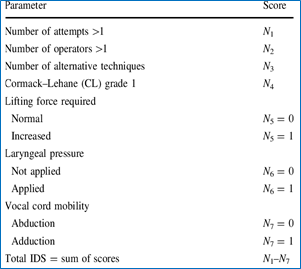
Table 1: Intubation Difficulty Scale - IDS 10 applications may exceed the number of intubation attempts, reflecting necessary intra-attempt modifications to optimize airway management Time to successful first-attempt intubation refers to the duration from the initiation of the intubation procedure until successful placement of the endotracheal tube on the first attempt.
All patients underwent a pre-anesthesia assessment, which included Mallampati classification, dental status, and evaluations of risk factors for difficult laryngoscopy such as short neck, large tongue, small mouth, recessed chin, and limited head-neck movement. Standardized anesthesia induction was achieved using fentanyl, propofol, and rocuronium, doses adjusted. After 2.5 - 3 minutes of muscle relaxation and mask ventilation with 100% oxygen, patients underwent endotracheal intubation with the device according to their study group.
The mains study endpoint was the first attempt success rate of endotracheal intubation: Successful intubation was confirmed when the endotracheal tube was visualized passing through the vocal cords, and at least three consecutive capnography waves appeared on the monitor, with observed chest wall movements, and audible bilateral lung sounds.
Secondary endpoints included: the intubation time defined as the interval from laryngoscope insertion to successful intubation confirmation; the Cormack - Lehane grading of glottic visualization (Figure 2); the Intubation Difficulty Scale (IDS) (Table 1); the occurrence of dental, oral, and pharyngeal injuries; the need for supportive maneuvers as ELM or auxiliary equipment; and finally, the occurrence of post - extubation complications as sore throat or hoarseness. Study withdrawal criteria included the occurrence of surgical complications and the requirement for prolonged mechanical ventilation (> 2 hours) in the recovery room or intensive care unit.
In children, According to Bhamri, the first-attempt intubation success rate with video laryngoscope has been reported to be 81.81%,11 and the expected first-attempt success rate in the video laryngoscopes group is 96% indicating a sample size of 76 patients per group with a 1:1 ratio. To account for a 15% crossover and expected dropout rate, the sample size has been fixed to 90 patients per group i.e. a total of 180 patients.
2.1. Statistical analysis
The SPSS 27.0 (IBM*, USA) software allowed for data analysis using the Chi-square test; the Fisher’s exact test; the independent sample t-test, and the Mann-Whitney test where appropriate. P < 0.05 was considered significant.
A total of 180 patients underwent initial eligibility assessment. The patients were randomly assigned to two groups, each comprising 90 patients. Following allocation, all patients were diligently monitored throughout the study period and subjected to comprehensive statistical analysis. No statistically significant differences were observed between the VL and M groups in general characteristics (P > 0.05).
The VL group had a significantly higher first-attempt intubation success rate compared to the M group (95.6% vs. 84.4%, P < 0.05). Data are presented as frequency (%); P < 0.05 considered as significant
The VL group had significantly more patients with Grade I–II glottic views compared to the M group (97.8% vs. 85.6%, P < 0.05). Conversely, the incidence of Grade III–IV views was significantly lower in the VL group (2.2% vs. 14.4%).
Data are presented as median (Range); P < 0.05 considered as significant The VL group had a significantly lower median IDS score [0 (0–0)] compared to the M group [0 (0–1.25)], indicating easier intubation with the video laryngoscope (P = 0.000).
The VL group required significantly fewer ELM compared to the M group (90.0% vs. 74.4% with no manipulation needed, P < 0.05).
There was no statistically significant difference in the time to successful first-attempt intubation between the two groups (VL: 30.6 ± 5.7 s vs. M: 28.4 ± 8.5 s; p > 0.05).
No significant differences were observed in heart rate, mean blood pressure, or SpO₂ changes following intubation (P > 0.05).
The incidence of dental, mucosal, and pharyngeal injuries was significantly lower in the VL group (P < 0.05).
No significant differences were found in sore throat severity at 1, 6, and 24 hours, or in hoarseness rates between the two groups (P > 0.05).
Our study demonstrated a significantly higher first-attempt intubation success rate with the McGrath MAC video laryngoscope (VL) compared to direct Macintosh laryngoscopy (DL) (95.6% vs. 84.4%, P < 0.027). This finding is consistent with Bhamri et al., who reported a similar trend (90.9% vs. 81.8%, P < 0.0001).11 However, some studies, including those by Kim et al. and Fiadjoe et al., found no significant difference in first-attempt success rates between VL and DL (98% vs. 98%, P > 0.999 and 96% vs. 94%, P = 0.24, respectively).12,13 However, Riad et al. reported a significantly higher first-attempt success rate in the Airtraq VL group compared to the Macintosh DL group, further supporting the advantage of VL in pediatric airway management (p=0,001).14 These discrepancies can be attributed to key methodological differences.
First, patient population characteristics likely influenced outcomes. Our study was conducted in pediatric patients undergoing tonsillectomy, a population inherently predisposed to difficult intubation due to hypertrophied tonsils, which may obstruct direct glottic visualization. This likely contributed to the significant improvement in first-attempt success rates with VL. Similarly, Riad et al., who investigated Airtraq VL, also demonstrated a superior success rate compared to DL, suggesting that VL is particularly advantageous in scenarios where airway visualization is compromised.14 In contrast, Kim et al. exclusively studied children with expected normal airways, where VL may not confer a significant advantage over DL. Similarly, Fiadjoe et al. focused on neonates and infants, whose airway anatomy differs substantially from older children, potentially reducing the impact of VL on intubation success rates. Second, operator experience plays a crucial role in VL effectiveness. In our study, all intubations were performed by a single experienced anesthesiologist, minimizing inter-operator variability. Conversely, Giraudon et al. assessed intubation success among novice practitioners, which may explain why VL did not demonstrate a clear advantage over DL in their study (P = 0.72).15 VLs typically require a period of adaptation for optimal tube placement, and inexperienced users may not fully leverage its benefits. Third, the choice of VL device affects intubation success. While our study, along with those of Bhamri and Kim, utilized the McGrath MAC, Fiadjoe employed the GlideScope Cobalt, and Riad used the Airtraq. These devices differ in their blade geometry and intubation technique. The GlideScope has a more pronounced angulation, which, while improving glottic visualization, may necessitate greater skill in maneuvering the endotracheal tube. The Airtraq, on the other hand, incorporates a guiding channel, potentially facilitating a more straightforward intubation process.11-14 This variation in device design likely contributed to the differences observed across studies. Lastly, intubation conditions and study endpoints must be considered. In our study, VL was evaluated under clinical conditions relevant to tonsillectomy, where glottic exposure may be compromised. Studies conducted in populations with low intubation difficulty may underestimate the benefits of VL. Additionally, while our primary endpoint was first-attempt success, some studies prioritized secondary outcomes, such as intubation time, which may be influenced by factors beyond VL efficacy.
Taken together, our findings support the preferential use of VL in pediatric patients at higher risk of difficult intubation, particularly in cases where direct glottic visualization may be challenging, such as in tonsillectomy. The observed variability across studies highlights the need to consider patient characteristics, operator experience, VL design, and study conditions when interpreting intubation success rates. Evaluating the glottic view using the Cormack-Lehane (C-L) classification is a key indicator of laryngoscopy difficulty, influencing both success and intubation time. Grades III and IV are often associated with difficult intubation. Our study demonstrated a significant difference in C-L grading between groups, with VL providing superior glottic visualization compared to DL. This aligns with Bhamri et al., where VL reduced the incidence of C-L III/IV views, facilitating intubation.11 Similarly, Kim et al. reported higher C-L I/II rates and reduced external laryngeal manipulation (ELM) with VL.13 The enhanced optical system of VL minimizes the need for optimization maneuvers, making it particularly valuable in difficult airway scenarios.
The Intubation Difficulty Scale (IDS) objectively assessed intubation complexity. Our study showed a lower IDS in the VL group, consistent with Kim et al. and Riad et al., who also reported reduced IDS with VL.13,14 VL was particularly beneficial in patients with expected difficult intubation (C-L III/IV, higher IDS, or requiring ELM). These findings reinforce the role of VL in improving glottic exposure and reducing maneuver dependency, critical factors in pediatric airway management. Despite these advantages, intubation time did not differ significantly between groups (p=0.076). Although VL improved first-attempt success rates, C-L I/II views, and IDS scores, intubation duration remained comparable. The McGrath MAC’s lack of an anti-fog system may contribute to screen blurriness, potentially offsetting time-related benefits.5,16 Similar observations were reported by Bhamri and Kim, while Giraudon et al. noted longer intubation times with VL, likely due to inexperience.15 Riad et al., however, demonstrated a significant time reduction with Airtraq VL (22.8 ± 6.1s vs. 51.6 ± 26.7s, P = 0.001).14 This underscores the importance of device design and practitioner proficiency in optimizing VL performance. Pediatric airways present unique challenges due to smaller dimensions, reduced respiratory reserves, and increased susceptibility to hypoxemia. Multiple intubation attempts heighten the risk of hemodynamic instability, airway trauma, and postoperative complications. Our findings, along with previous studies, confirm that hemodynamic parameters and SpO₂ remained stable in both groups, emphasizing that proficiency in VL is essential for ensuring safe, efficient intubation in pediatric anesthesia. The incidence of dental and mucosal injury was significantly higher in the DL group (24.4% vs. 5.6%), consistent with prior reports. This can be attributed to:
The softer, disposable plastic blades of VL reducing the risk of dental trauma compared to the rigid metal blades of DL. VL enabling a less forceful approach, as visualization does not rely on direct line-of-sight exposure.
Overall, VL demonstrated superior intubation efficiency, achieving higher first-attempt success rates, improved glottic visualization (C-L I/II), and reduced IDS compared to DL. While both techniques maintained hemodynamic stability, VL may offer an advantage in high-risk or unstable pediatric patients. Given its higher efficiency and lower complication rate, we recommend the routine use of VL in pediatric intubation.
Video laryngoscopy was superior to direct laryngoscopy for pediatric endotracheal intubation in tonsillectomies.
This study was conducted at a single center, with all intubations performed by a single postgraduate anesthesiologist, which may limit the generalization of the results to broader clinical settings and practitioners with different experience levels. The study enrolled only ASA I–II pediatric patients undergoing tonsillectomy, thereby limiting applicability to more diverse or high-videolaryngoscope was evaluated, so the findings may not extend to other videolaryngoscope models with risk
7. Availability of data and materials
All data generated or analyzed during this study are included in this article. Further inquiries can be directed to the corresponding author.
8. Funding
This study did not receive any funding in any form.
Authors affiliations:
- Minh Nguyen Van, MD, PhD, Assoc. Professor, Anesthesiology, Critical care and Emergency medicine department, Hue University of Medicine and Pharmacy, University of Hue, 06 Ngo Quyen, 49000 Hue, Vietnam; Email: nvminh@hueuni.edu.vn
- Thang Phan, MD, PhD, Department of Anesthesiology, Critical care & Emergency Medicine, Hue University of Medicine and Pharmacy, University of Hue, 06 Ngo Quyen, 49000 Hue, Vietnam; Email: phanthang@hueuni.edu.vn
- Thinh Tran Xuan, MD, PhD, Department of Anesthesiology, Critical care & Emergency Medicine, Hue University of Medicine and Pharmacy, University of Hue, 06 Ngo Quyen, 49000 Hue, Vietnam; Email: txthinh@hueuni.edu.vn
- Phuc Nguyen Cong, MD, MSc, Department of Anesthesiology, Critical care & Emergency Medicine, Hue University of Medicine and Pharmacy, University of Hue, 06 Ngo Quyen, 49000 Hue, Vietnam; Email:congphuc1206@gmail.com
- Pierre Diemunsch, MD. PhD. Professor of Anesthésie Réanimation Chirurgicale, CHU de Hautepierre, Avenue Molière, 67000 Strasbourg - France; Email: pierre.Diemunsch@chru-strasbourg.fr; apache6@wanadoo.fr
ABSTRACT
Background: Video laryngoscopes (VL) enhance glottic visualization and facilitate endotracheal intubation. While VL have demonstrated superiority over direct laryngoscopy (DL) in adults, evidence in pediatric populations remains limited. This study compared the performance and safety of the video laryngoscopy (VL) and direct laryngoscopy (DL) in pediatric endotracheal intubation.
Methods: In this randomized controlled trial, 180 children (aged 2–16 years) undergoing tonsillectomy under general anesthesia were assigned to intubation with either a McGRATH MAC VL or a MacIntosh DL. Primary outcome was the first-attempt intubation success rate. Secondary outcomes included intubation time, Cormack-Lehane grade, Intubation Difficulty Scale (IDS), external laryngeal manipulation (ELM) use, and complications.
Results: The VL group showed a higher first-attempt success rate than the DL group (95.6% vs. 84.4%; p=0.027). Time to intubation was similar (VL: 30.6 ± 5.7 s vs. DL: 28.4 ± 8.5 s; p=0.076). Grade I–II glottic views were more frequent with VL (97.8% vs. 85.6%; P = 0.003). The VL group had lower IDS scores, fewer ELMs, and fewer minor complications. Hemodynamic stability was maintained in both groups.
Conclusion: VL using McGRATH MAC improved intubation success and reduced airway-related complications compared to DL in pediatric tonsillectomy.
Keywords: Direct laryngoscopy; Endotracheal intubation; Pediatric; Tonsillectomy, Video laryngoscope
Citation: Van MN, Phan T, Xuan TT, Cong PM, Diemunsch P. Videolaryngoscopy versus direct laryngoscopy for pediatric endotracheal intubation in tonsillectomy. Anaesth. pain intensive care 2026;30(6):697-703. DOI: 10.35975/apic.v30i6.2794
Received: September 17, 2025; Revised: March 04; March 11, 2026; Accepted: March 11, 2026
1. INTRODUCTION
Tonsillectomy is the most common surgical procedure performed on children in the United States.1 Certain characteristics of tonsillectomy create specific challenges in airway management, such as a shared workplace for the anesthesiologist and the surgeon, the need to protect the airway from blood and secretions, and a higher risk of laryngospasm when compared to other procedures. Additionally, enlarged tonsils can obstruct airway structures, making intubation more difficult.
Pediatric airway management presents a significant challenge for anesthesiologists, with airway complications among the most frequent complications in pediatric anesthesia.2,3,4 Children have a relatively larger tongue, narrower mouth, shorter mandible, and prominent occiput, all of which make laryngoscopy and intubation more difficult and increase the risk of airway injury.5 Furthermore, children have a lower total lung volume and a much higher oxygen consumption rate than adults, limiting the tolerance to apneic time.6
Video laryngoscopes (VL), with cameras at the tip of the blade, provide clear view of the glottis, reducing the need for maximum neck extension as required with direct laryngoscopy. Enhanced glottic visualization facilitates quicker and more precise intubation, thus minimizing complications.
Additionally, the camera allows the intubating practitioner to avoid direct exposure to the patient’s airway, reducing the risk of cross-infection. Several studies have shown the superiority of the VL to direct laryngoscope for endotracheal intubation in adults. Although video laryngoscopy is recommended for adults, data on its use in children remains limited.7.8 This study aims to compare the effectiveness of video laryngoscopy with direct laryngoscopy in pediatric endotracheal intubation.
2. METHODOLOGY
With ethics committee approval (decision No H2023/166; May 22, 2023) ASA class I - II patients, aged 2 to 16 years, undergoing tonsillectomy with or without adenoidectomy under general anesthesia and endotracheal intubation at the Hue University of Medicine and Pharmacy Hospital, were included between May 2023 and August 2024. Exclusion criteria included the absence of the patients or guardians informed consent, anatomical abnormalities or coagulation disorders, and history of dyspnea, asthma, or upper respiratory infections within 14 days.
Upon inclusion, patients were randomly allocated using a random list (Microsoft Excel*) to either the M group where the intubation was performed using a MacIntosh direct laryngoscope or the VL group where intubation was performed using the McGRATH MAC* (Medtronic, Dublin, Ireland) video laryngoscope.
External Laryngeal Manipulation (ELM) refers to the application of external pressure on the larynx to optimize glottic visualization during endotracheal intubation. In clinical practice, ELM is often adjusted dynamically within a single intubation attempt to enhance the alignment of the laryngeal structures and improve the operator’s view. As a result, the number of ELM
Table 1: Intubation Difficulty Scale - IDS 10 applications may exceed the number of intubation attempts, reflecting necessary intra-attempt modifications to optimize airway management Time to successful first-attempt intubation refers to the duration from the initiation of the intubation procedure until successful placement of the endotracheal tube on the first attempt.
All patients underwent a pre-anesthesia assessment, which included Mallampati classification, dental status, and evaluations of risk factors for difficult laryngoscopy such as short neck, large tongue, small mouth, recessed chin, and limited head-neck movement. Standardized anesthesia induction was achieved using fentanyl, propofol, and rocuronium, doses adjusted. After 2.5 - 3 minutes of muscle relaxation and mask ventilation with 100% oxygen, patients underwent endotracheal intubation with the device according to their study group.
The mains study endpoint was the first attempt success rate of endotracheal intubation: Successful intubation was confirmed when the endotracheal tube was visualized passing through the vocal cords, and at least three consecutive capnography waves appeared on the monitor, with observed chest wall movements, and audible bilateral lung sounds.
Secondary endpoints included: the intubation time defined as the interval from laryngoscope insertion to successful intubation confirmation; the Cormack - Lehane grading of glottic visualization (Figure 2); the Intubation Difficulty Scale (IDS) (Table 1); the occurrence of dental, oral, and pharyngeal injuries; the need for supportive maneuvers as ELM or auxiliary equipment; and finally, the occurrence of post - extubation complications as sore throat or hoarseness. Study withdrawal criteria included the occurrence of surgical complications and the requirement for prolonged mechanical ventilation (> 2 hours) in the recovery room or intensive care unit.
| Table 2: Study population general characteristics | |||
| Characteristic | VL Group
(n = 90) |
M Group
(n = 90) |
P |
| Age (years) [min -max] | 7.0 ± 2.4 [ 3-13 ] |
6.4 ± 2.3 [ 2-14 ] |
NS |
| Height (cm) | 119.5 ± 14.4 | 117.2 ± 15.4 | |
| Weight (kg) | 23.6 ± 9.1 | 23.3 ± 10.3 | |
| BMI (kg/m²) | 16.1 ± 3.3 | 16.2 ± 2.9 | |
| Male/Female ( n ) | 59/31 | 61/29 | |
| ASA classification (I/II) ( n ) | 82/8 | 79/11 | |
| Tonsillectomy/tonsillectomy + adenoidectomy | 22/68 | 19/71 | |
| Mallampati classification (I/II/III) | 36/45/9 | 33/50/7 | |
| Dental condition (normal/missing/loose) | 70/14/6 | 71/11/8 | |
| Fentanyl (mcg) | 47.3 ± 18.3 | 46.6 ± 20.6 | |
| Propofol (mg) | 71.0 ± 27.4 | 70.0 ± 30.9 | |
| Rocuronium (mg) | 7.1 ± 2.7 | 7.0 ± 3.1 | |
| Surgical duration (minutes) | 31.7 ± 9.4 | 33.4 ± 10.9 | |
| Data are presented as mean ± SD or frequency; NS: Not Significant; BMI: Body mass index, ASA: American Society of Anesthesiologists | |||
| Table 3. Success rate of intubations | |||
| Success rate of intubations | VL group
N (%) |
M group
N (%) |
P |
| First attempt | 8 (695.6) | 76 (84.4) | 0.018 |
| Second attempt | 4 (4.4) | 12 (13.3) | |
| Third attempt | 0 (0) | 2 (2.2) | |
| Table 4: Cormack-Lehane classification | |||
| Cormack - Lehane Grade | VL group
N (%) |
M group
N (%) |
P |
| I - II | 88 (97.8 | 77 (85.6 | 0.003 |
| III - IV | 2 (2.2 | 13 (14.4 | |
| Data are presented as frequency (%); P < 0.05 considered as significant | |||
In children, According to Bhamri, the first-attempt intubation success rate with video laryngoscope has been reported to be 81.81%,11 and the expected first-attempt success rate in the video laryngoscopes group is 96% indicating a sample size of 76 patients per group with a 1:1 ratio. To account for a 15% crossover and expected dropout rate, the sample size has been fixed to 90 patients per group i.e. a total of 180 patients.
2.1. Statistical analysis
The SPSS 27.0 (IBM*, USA) software allowed for data analysis using the Chi-square test; the Fisher’s exact test; the independent sample t-test, and the Mann-Whitney test where appropriate. P < 0.05 was considered significant.
3. RESULTS
A total of 180 patients underwent initial eligibility assessment. The patients were randomly assigned to two groups, each comprising 90 patients. Following allocation, all patients were diligently monitored throughout the study period and subjected to comprehensive statistical analysis. No statistically significant differences were observed between the VL and M groups in general characteristics (P > 0.05).
The VL group had a significantly higher first-attempt intubation success rate compared to the M group (95.6% vs. 84.4%, P < 0.05). Data are presented as frequency (%); P < 0.05 considered as significant
The VL group had significantly more patients with Grade I–II glottic views compared to the M group (97.8% vs. 85.6%, P < 0.05). Conversely, the incidence of Grade III–IV views was significantly lower in the VL group (2.2% vs. 14.4%).
Data are presented as median (Range); P < 0.05 considered as significant The VL group had a significantly lower median IDS score [0 (0–0)] compared to the M group [0 (0–1.25)], indicating easier intubation with the video laryngoscope (P = 0.000).
The VL group required significantly fewer ELM compared to the M group (90.0% vs. 74.4% with no manipulation needed, P < 0.05).
There was no statistically significant difference in the time to successful first-attempt intubation between the two groups (VL: 30.6 ± 5.7 s vs. M: 28.4 ± 8.5 s; p > 0.05).
No significant differences were observed in heart rate, mean blood pressure, or SpO₂ changes following intubation (P > 0.05).
The incidence of dental, mucosal, and pharyngeal injuries was significantly lower in the VL group (P < 0.05).
No significant differences were found in sore throat severity at 1, 6, and 24 hours, or in hoarseness rates between the two groups (P > 0.05).
| Table 4: Cormack-Lehane classification | |||
| Cormack - Lehane Grade | VL group
N (%) |
M group
N (%) |
P |
| I - II | 88 (97.8 | 77 (85.6 | 0.003 |
| III - IV | 2 (2.2 | 13 (14.4 | |
| Data are presented as frequency (%); P < 0.05 considered as significant | |||
| Table 6: Changes greater than 20% in heart rate, mean blood pressure, and drop of SpO₂ below 95% in the 3 min post-intubation | |||
| Parameter | VL group
n (%) |
M group
n (%) |
P |
| Heart Rate Change > 20% | 5 (5.6) | 6 (6.7) | NS |
| Mean BP Change > 20% | 6 (6.7) | 8 (8.9) | |
| Patients with SpO₂ < 95% | 0 | 0 | |
| Data are presented as frequency (%); NS: Not Significant | |||
4. DISCUSSION
Our study demonstrated a significantly higher first-attempt intubation success rate with the McGrath MAC video laryngoscope (VL) compared to direct Macintosh laryngoscopy (DL) (95.6% vs. 84.4%, P < 0.027). This finding is consistent with Bhamri et al., who reported a similar trend (90.9% vs. 81.8%, P < 0.0001).11 However, some studies, including those by Kim et al. and Fiadjoe et al., found no significant difference in first-attempt success rates between VL and DL (98% vs. 98%, P > 0.999 and 96% vs. 94%, P = 0.24, respectively).12,13 However, Riad et al. reported a significantly higher first-attempt success rate in the Airtraq VL group compared to the Macintosh DL group, further supporting the advantage of VL in pediatric airway management (p=0,001).14 These discrepancies can be attributed to key methodological differences.
First, patient population characteristics likely influenced outcomes. Our study was conducted in pediatric patients undergoing tonsillectomy, a population inherently predisposed to difficult intubation due to hypertrophied tonsils, which may obstruct direct glottic visualization. This likely contributed to the significant improvement in first-attempt success rates with VL. Similarly, Riad et al., who investigated Airtraq VL, also demonstrated a superior success rate compared to DL, suggesting that VL is particularly advantageous in scenarios where airway visualization is compromised.14 In contrast, Kim et al. exclusively studied children with expected normal airways, where VL may not confer a significant advantage over DL. Similarly, Fiadjoe et al. focused on neonates and infants, whose airway anatomy differs substantially from older children, potentially reducing the impact of VL on intubation success rates. Second, operator experience plays a crucial role in VL effectiveness. In our study, all intubations were performed by a single experienced anesthesiologist, minimizing inter-operator variability. Conversely, Giraudon et al. assessed intubation success among novice practitioners, which may explain why VL did not demonstrate a clear advantage over DL in their study (P = 0.72).15 VLs typically require a period of adaptation for optimal tube placement, and inexperienced users may not fully leverage its benefits. Third, the choice of VL device affects intubation success. While our study, along with those of Bhamri and Kim, utilized the McGrath MAC, Fiadjoe employed the GlideScope Cobalt, and Riad used the Airtraq. These devices differ in their blade geometry and intubation technique. The GlideScope has a more pronounced angulation, which, while improving glottic visualization, may necessitate greater skill in maneuvering the endotracheal tube. The Airtraq, on the other hand, incorporates a guiding channel, potentially facilitating a more straightforward intubation process.11-14 This variation in device design likely contributed to the differences observed across studies. Lastly, intubation conditions and study endpoints must be considered. In our study, VL was evaluated under clinical conditions relevant to tonsillectomy, where glottic exposure may be compromised. Studies conducted in populations with low intubation difficulty may underestimate the benefits of VL. Additionally, while our primary endpoint was first-attempt success, some studies prioritized secondary outcomes, such as intubation time, which may be influenced by factors beyond VL efficacy.
Taken together, our findings support the preferential use of VL in pediatric patients at higher risk of difficult intubation, particularly in cases where direct glottic visualization may be challenging, such as in tonsillectomy. The observed variability across studies highlights the need to consider patient characteristics, operator experience, VL design, and study conditions when interpreting intubation success rates. Evaluating the glottic view using the Cormack-Lehane (C-L) classification is a key indicator of laryngoscopy difficulty, influencing both success and intubation time. Grades III and IV are often associated with difficult intubation. Our study demonstrated a significant difference in C-L grading between groups, with VL providing superior glottic visualization compared to DL. This aligns with Bhamri et al., where VL reduced the incidence of C-L III/IV views, facilitating intubation.11 Similarly, Kim et al. reported higher C-L I/II rates and reduced external laryngeal manipulation (ELM) with VL.13 The enhanced optical system of VL minimizes the need for optimization maneuvers, making it particularly valuable in difficult airway scenarios.
The Intubation Difficulty Scale (IDS) objectively assessed intubation complexity. Our study showed a lower IDS in the VL group, consistent with Kim et al. and Riad et al., who also reported reduced IDS with VL.13,14 VL was particularly beneficial in patients with expected difficult intubation (C-L III/IV, higher IDS, or requiring ELM). These findings reinforce the role of VL in improving glottic exposure and reducing maneuver dependency, critical factors in pediatric airway management. Despite these advantages, intubation time did not differ significantly between groups (p=0.076). Although VL improved first-attempt success rates, C-L I/II views, and IDS scores, intubation duration remained comparable. The McGrath MAC’s lack of an anti-fog system may contribute to screen blurriness, potentially offsetting time-related benefits.5,16 Similar observations were reported by Bhamri and Kim, while Giraudon et al. noted longer intubation times with VL, likely due to inexperience.15 Riad et al., however, demonstrated a significant time reduction with Airtraq VL (22.8 ± 6.1s vs. 51.6 ± 26.7s, P = 0.001).14 This underscores the importance of device design and practitioner proficiency in optimizing VL performance. Pediatric airways present unique challenges due to smaller dimensions, reduced respiratory reserves, and increased susceptibility to hypoxemia. Multiple intubation attempts heighten the risk of hemodynamic instability, airway trauma, and postoperative complications. Our findings, along with previous studies, confirm that hemodynamic parameters and SpO₂ remained stable in both groups, emphasizing that proficiency in VL is essential for ensuring safe, efficient intubation in pediatric anesthesia. The incidence of dental and mucosal injury was significantly higher in the DL group (24.4% vs. 5.6%), consistent with prior reports. This can be attributed to:
The softer, disposable plastic blades of VL reducing the risk of dental trauma compared to the rigid metal blades of DL. VL enabling a less forceful approach, as visualization does not rely on direct line-of-sight exposure.
Overall, VL demonstrated superior intubation efficiency, achieving higher first-attempt success rates, improved glottic visualization (C-L I/II), and reduced IDS compared to DL. While both techniques maintained hemodynamic stability, VL may offer an advantage in high-risk or unstable pediatric patients. Given its higher efficiency and lower complication rate, we recommend the routine use of VL in pediatric intubation.
| Table 7: Sore throat at 1, 6, and 24 hours post-extubation | ||||
| Sore Throat post-extubation | VL Group
N (%) |
M Group
N (%) |
p | |
| 1 hour | No Pain | 0 (0) | 0 (0) | NS |
| Mild | 24 (26.7) | 23 (25.6) | ||
| Moderate | 53 (58.9) | 50 (55.6) | ||
| Severe | 13 (14.4) | 17 (18.9) | ||
| 6 hours | No Pain | 1 (1.1) | 2 (2.2) | NS |
| Mild | 32 (35.6) | 26 (28.9) | ||
| Moderate | 52 (57.8) | 54 (60.6) | ||
| Severe | 5 (5.6) | 8 (8.9) | ||
| 24 hours | No Pain | 4 (4.4) | 3 (3.3) | NS |
| Mild | 38 (42.2) | 38 (42.2) | ||
| Moderate | 41 (45.6) | 44 (48.9) | ||
| Severe | 7 (7.8) | 5 (5.6) | ||
| Hoarseness | None | 89 (98.9) | 87 (96.7) | NS |
| Mild | 1 (1.1) | 3 (3.3) | ||
| Data are presented as frequency (%); NS: Not Significant | ||||
5. CONCLUSION
Video laryngoscopy was superior to direct laryngoscopy for pediatric endotracheal intubation in tonsillectomies.
6. LIMITATIONS
This study was conducted at a single center, with all intubations performed by a single postgraduate anesthesiologist, which may limit the generalization of the results to broader clinical settings and practitioners with different experience levels. The study enrolled only ASA I–II pediatric patients undergoing tonsillectomy, thereby limiting applicability to more diverse or high-videolaryngoscope was evaluated, so the findings may not extend to other videolaryngoscope models with risk
7. Availability of data and materials
All data generated or analyzed during this study are included in this article. Further inquiries can be directed to the corresponding author.
8. Funding
This study did not receive any funding in any form.
9. REFERENCES
- Baugh RF, Archer SM, Mitchell RB, Rosenfeld RM, Amin R, Burns JJ, et al. Clinical practice guideline: tonsillectomy in children. Otolaryngol Head Neck Surg. 2011;144(1 Suppl):S1–30.PMID: 21493257 DOI: 1177/0194599810389949
- Cook T, MacDougall-Davis SR. Core Topics in Airway Management. 3rd ed. Cambridge: Cambridge University Press; 2020. DOI: 1017/9781108303477
- Jagannathan N, Nair A. Difficult airway management: children are different from adults, and neonates are different from children! Br J Anaesth. 2021;126(6):1086–8. PMCID: 33867047 DOI: 1016/j.bja.2021.03.012
- Maslanka M, Smereka J, Czyzewski L, Ladny J, Dabrowski M, Szarpak L. VieScope® laryngoscope versus Macintosh laryngoscope during difficult intubation performed by paramedics: a randomized cross-over manikin trial. Disaster Emerg Med J. 2020;5(3):134–41.[Free Text]
- Gupta A, Gupta R. Evolution of videolaryngoscopy in pediatric population. J Anaesthesiol Clin Pharmacol. 2021;37(1):14–27.PMCID: PMC8174446 DOI: 4103/joacp.JOACP_7_19
- Brochu P, Krishnan K. Derivation of cardiac output and alveolar ventilation rate based on energy expenditure measurements in healthy males and females. J Appl Toxicol. 2010;30(1):60–6.PMID: 21365669 DOI: 1002/jat.1651
- Szarpak L, Madziala A, Czekajlo M, Smereka J, Kaserer A, Dabrowski M, et al. Comparison of the UEScope videolaryngoscope with the Macintosh laryngoscope during simulated cardiopulmonary resuscitation: a randomized, cross-over, multi-center manikin study. Medicine (Baltimore). 2018;97(36):e12085. PMCID: PMC6133438 DOI: 1097/MD.0000000000012085
- Engelhardt T, Virag K, Veyckemans F, Habre W; APRICOT Group of the European Society of Anaesthesiology Clinical Trial Network. Airway management in paediatric anaesthesia in Europe: insights from APRICOT, a prospective multicentre observational study in 261 hospitals in Europe. Br J Anaesth. 2018;121(1):66–75.PMID: 29935596 DOI: 1016/j.bja.2018.04.013
- Krage R, van Rijn C, van Groeningen D, Loer SA, Schwarte LA, Schober P. Cormack–Lehane classification revisited. Br J Anaesth. 2010;105(2):220–7.PMID: 20554633 DOI: 1093/bja/aeq136
- Adnet F, Borron SW, Racine SX, Clemessy JL, Fournier JL, Plaisance P, et al. The intubation difficulty scale (IDS): proposal and evaluation of a new score characterizing the complexity of endotracheal intubation. Anesthesiology. 1997;87(6):1290–7.PMCID: 9416711 DOI: 1097/00000542-199712000-00005
- Bhamri S, Desai D, Chauhan D, Cheraya N. Comparison of McGrath videolaryngoscope with conventional Macintosh laryngoscope for tracheal intubation in pediatric patients with normal airway. Indian Anaesth Forum. 2023;24(1):43–8. DOI: 4103/TheIAForum.TheIAForum_104_22
- Fiadjoe JE, Gurnaney H, Dalesio N, Sussman E, Zhao H, Zhang X, et al. A prospective randomized equivalence trial of the GlideScope Cobalt® video laryngoscope to traditional direct laryngoscopy in neonates and infants. Anesthesiology. 2012;116(3):622–8. PMCID: 22270505 DOI: 1097/ALN.0b013e318246ea4d
- Kim JE, Kwak HJ, Jung WS, Chang MY, Lee SY, Kim JY. A comparison between McGrath MAC videolaryngoscopy and Macintosh laryngoscopy in children. Acta Anaesthesiol Scand. 2018;62(3):312–8.PMCID: 29178126 DOI: 1111/aas.13043
- Riad W, Moussa A, Wong DT. Airtraq™ versus Macintosh laryngoscope in intubation performance in the pediatric population. Saudi J Anaesth. 2012;6(4):332–5. PMCID: PMC3591549DOI: 4103/1658-354X.105853
- Giraudon A, Bordes-Demolis M, Blondeau B, Sibai de Panthou N, Ferrand N, Bello M, et al. Comparison of the McGrath® MAC video laryngoscope with direct Macintosh laryngoscopy for novice laryngoscopists in children without difficult intubation: a randomised controlled trial. Anaesth Crit Care Pain Med. 2017;36(5):261–5.PMID: 28323237 DOI: 1016/j.accpm.2017.02.007
- Gaszyński T. Comparison of the glottic view during video-intubation in super obese patients: a series of cases. Ther Clin Risk Manag. 2016;12:1677–82.PMCID: PMC5113935 DOI: 2147/TCRM.S118339